
Crawl Space Mold Remediation in Gettysburg, PA
Crawl space mold remediation in Gettysburg, PA means cleaning the joists and subfloor, then cutting off the ground moisture that fed the mold. We work in dirt-floor, vented and sealed crawl spaces across Adams County and Hanover, and we're open 24 hours at (717) 420-8919.
Open 24 hours · Free, no-obligation estimate
Get a Free Mold Estimate
Answered 24/7. No obligation.
A crawl space is the one part of the house built right on top of wet ground. In Gettysburg and the rest of Adams County, that ground is often clay that holds water, under a water table that climbs every spring. Air from the crawl space rises into the rooms above, so mold down there rarely stays down there. This page covers crawl spaces only, as part of our mold remediation work in Gettysburg. If your home has a full, walk-in basement, our basement mold remediation service is the better place to start.
What Our Crawl Space Mold Remediation Includes
Crawl space work has two halves: removing the mold and stopping the moisture. Doing only the first half is why so many crawl spaces grow mold again within a year or two. A full project with us usually includes:
- Moisture mapping. We measure wood moisture in joists, sill plates and subfloor, check relative humidity, and look for standing water, wet soil and drainage problems.
- Access and containment. We seal the crawl space hatch or the opening into the basement, protect your floors along the work path, and run negative air so spores stay below.
- Debris and insulation removal. Old torn plastic, wet or moldy fiberglass batts, wood scraps and stored items are bagged and hauled out.
- Cleaning the framing. Joists, beams, sill plates and the underside of the subfloor are HEPA vacuumed, then scrubbed, sanded or blasted depending on how heavy the growth is.
- Antimicrobial treatment. Cleaned wood gets an EPA-registered antimicrobial where appropriate, as a follow-up to physical removal, never instead of it.
- Moisture control. A new vapor barrier, full encapsulation, a crawl space dehumidifier, vent changes or drainage fixes, chosen for your crawl space and budget.
- Verification. Moisture readings at the end, photos for your records, and a recommendation for independent clearance testing.
If your crawl space took on water from a broken pipe or a storm, drying comes first. Our water damage and mold restoration crew handles the water side and the mold side together.
Signs of Mold in Your Crawl Space
Most people never go into their crawl space, so the first signs usually show up in the rooms above. Watch for these:
- A musty, earthy smell in first-floor rooms, often worse in summer or after a few rainy days.
- Floors that feel soft, bouncy or cupped, especially hardwood over the crawl space.
- White, gray, green or black fuzz on joists, beams and the underside of the subfloor.
- Fiberglass batts sagging or falling from between the joists, often heavy with moisture.
- Condensation dripping from ductwork or cold water lines in July and August.
- Puddles, mud or water lines on the dirt floor or along the foundation after rain.
- Rust on nails, hangers, ductwork straps or the base of equipment.
- Allergy-like symptoms that seem worse on the first floor than upstairs.
Hardwood that cups or gaps for no clear reason is often a crawl space humidity problem. Our guide to mold under hardwood, laminate and vinyl floors explains how moisture moves up into flooring. If you smell mold but cannot find it, our mold inspection and testing service can track it down.
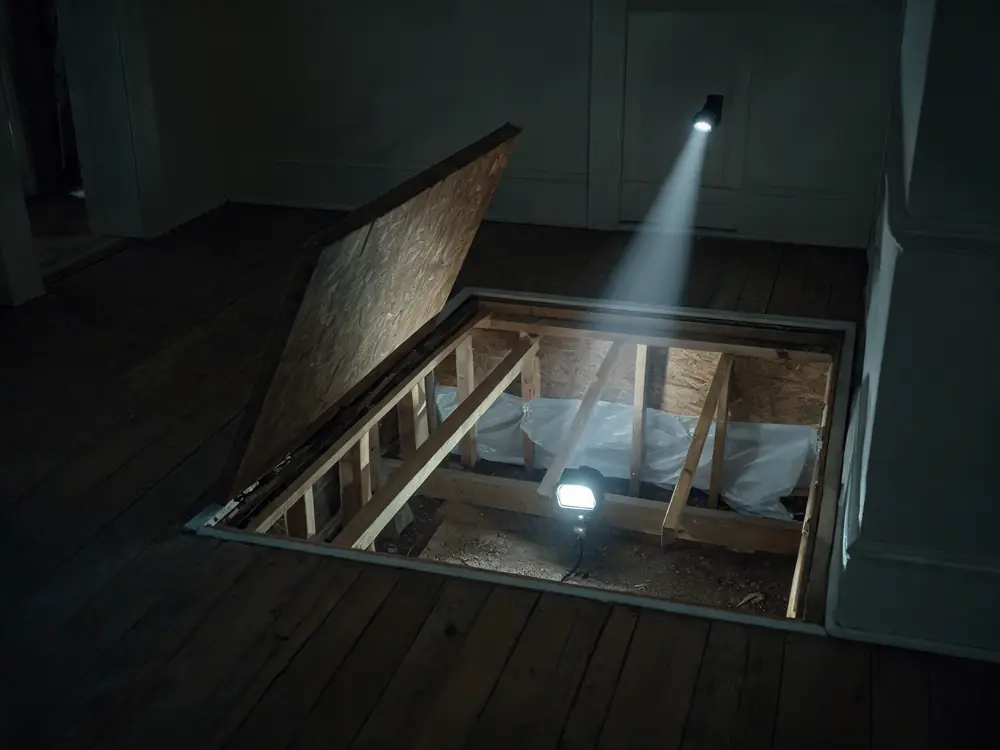
Our Crawl Space Mold Remediation Process
Our work follows the IICRC S520 standard for professional mold remediation and EPA guidance. The full version is on our mold remediation process page. Here is how it applies under a floor.
- Inspection. We crawl the whole space with moisture meters, a hygrometer and a thermal camera. We check the soil, foundation walls, vents, framing, ductwork, plumbing, sump and any radon system, and photograph what we find.
- Written scope and estimate. You get a plan that separates mold removal from moisture control, so you can see what each part costs and choose your level of protection.
- Containment. We seal the hatch or interior access, cover nearby HVAC returns, and set up HEPA air scrubbers to keep the crawl space under negative pressure.
- Clean-out. Old plastic, debris and contaminated insulation are bagged inside containment and carried out.
- Mold removal. We HEPA vacuum the framing, then remove growth by scrubbing, sanding or blasting. Soft or rotted wood is flagged for repair.
- Treatment and drying. Cleaned wood is treated where appropriate, and dehumidifiers bring the wood and air down to a dry range.
- Moisture control. We install the vapor barrier or encapsulation system you chose, set up a dehumidifier if included, and address vents and drainage.
- Final check. A last HEPA pass, final moisture readings and photos. We recommend independent post-remediation clearance testing so a third party confirms the result.
Vented vs. Sealed Crawl Spaces
For decades, crawl spaces were built with foundation vents on the idea that outside air would dry them out. In a humid climate, that often works backward. On a July afternoon, warm, wet outdoor air flows into a crawl space that stays cool because it sits against the ground. When that air cools, its relative humidity climbs and moisture condenses on joists, ducts and pipes.
A sealed or "conditioned" crawl space closes the vents, covers the floor and walls, and controls humidity with a dehumidifier or a small amount of conditioned air. The goal is to treat the crawl space like part of the house instead of part of the outdoors. Our guide to indoor humidity and dew point explains why cool surfaces grow mold in humid air.
Sealing is not right for every home. A crawl space with active water entry, combustion appliances that draw air from the space, or no plan for humidity control can get worse if the vents are simply closed. We look at the whole system before recommending a change.
Crawl Space Moisture Control Options Compared
Cleaning removes the mold you have. Moisture control decides whether it comes back. Here is how the main options compare. Our article on crawl space encapsulation vs. a vapor barrier goes deeper.
| Option | What it is | Best for | Limits |
|---|---|---|---|
| Basic vapor barrier | Polyethylene sheeting laid over the dirt floor with overlapped seams | Dry to slightly damp crawl spaces with good drainage | Does not seal walls or vents; humid outside air still gets in |
| Heavier sealed vapor barrier | Thicker reinforced liner taped at seams and run partway up the walls and piers | Damp crawl spaces where you want better ground moisture control | Still depends on vents and drainage being right |
| Full encapsulation | Sealed liner on floor and walls, vents closed, openings sealed, dehumidifier added | Crawl spaces with high summer humidity or repeat mold | Higher cost; needs a drainage plan and a radon retest afterward |
| Crawl space dehumidifier | A unit sized for crawl spaces, drained to a pump or the exterior | Sealed or encapsulated spaces that need active humidity control | Uses electricity; needs filter and drain checks |
| Drainage and sump | Interior perimeter drain, sump basin and pump, plus gutters and grading outside | Crawl spaces that see standing water or wet soil after rain | Must be done before any liner goes down |
A liner over standing water just hides the water. If your crawl space floods in spring, drainage comes first, then the barrier. When a sump is part of the system, a failed pump during a storm can undo the whole job, so read our guide to sump pump failure and mold before you rely on one.
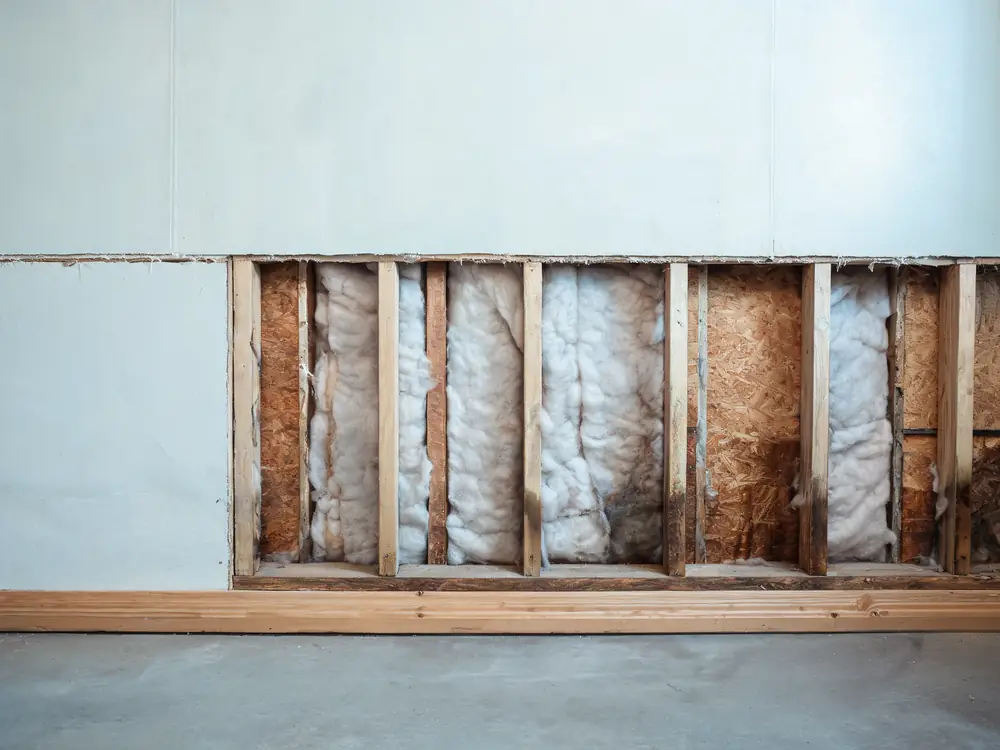
Joists, Subfloor, Insulation and Ductwork
Joists and subfloor
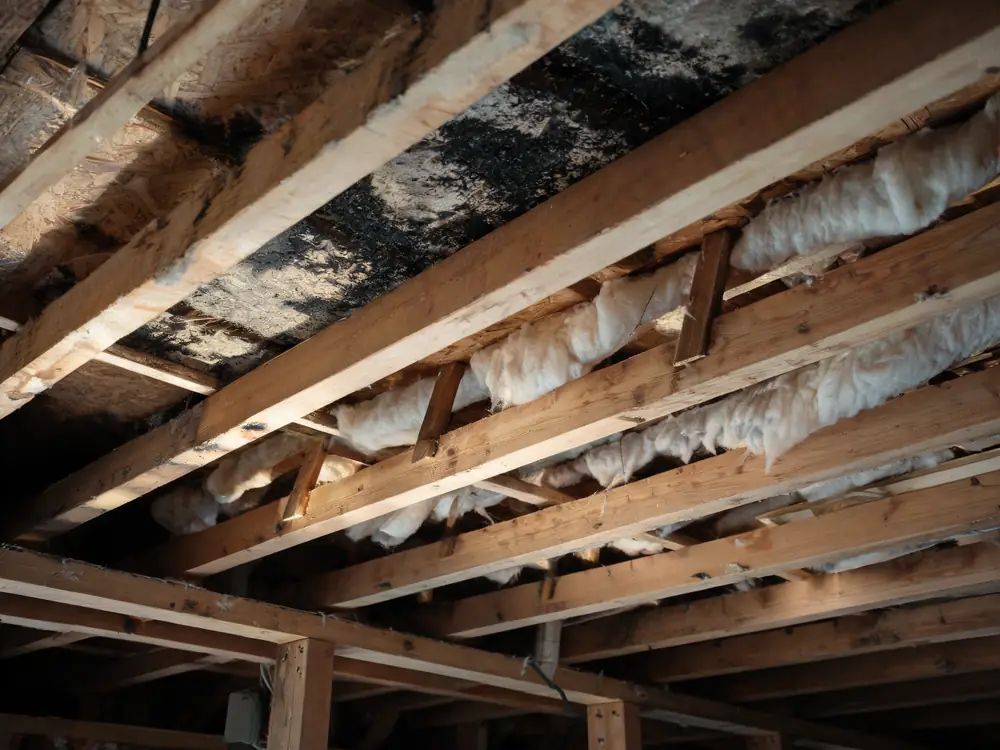
Mold on joists and the underside of the subfloor is the most common thing we find. Most of it is surface growth on solid wood, which can be cleaned. We probe the wood with an awl and check moisture content. Wood that is soft, punky or crumbling has moved past mold into rot and needs repair. Our article on mold on floor joists shows what each stage looks like.
Insulation
Fiberglass batts between crawl space joists hold moisture against the wood and the subfloor. When they get wet, they sag, fall and grow mold on their paper facing. Moldy batts cannot be cleaned and are removed. In an encapsulated crawl space, insulation often moves from the floor to the foundation walls, which keeps the crawl space closer to the temperature of the house.
Ductwork in the crawl space
Many Adams County homes run supply ducts through the crawl space. In summer, cold air inside an uninsulated metal duct drops the duct's surface below the dew point of the crawl space air, and water drips off it all day. Loose joints and torn flex duct can also pull crawl space air, spores and all, straight into the system. If we find mold on duct exteriors or signs that it has moved inside, our HVAC and air duct mold remediation team can clean and seal the ducts as part of the same job.
Radon and Your Crawl Space
Pennsylvania has one of the most serious radon problems in the country. The Pennsylvania Department of Environmental Protection estimates that about 40% of homes tested in the state have radon above the EPA action guideline of 4 pCi/L. Radon is a soil gas, and crawl spaces sit right on the soil.
That matters for mold work in three ways:
- Existing radon systems. Some crawl spaces already have a radon membrane over the soil with a pipe and fan that pull gas from under it. We work around these systems and never cut, puncture or disconnect a radon pipe or membrane. If the membrane needs replacing, we tell you so a certified radon mitigator can handle the radon side.
- Sealing changes airflow. Encapsulation and closing vents change how air and soil gas move under the house. Radon levels can go up or down afterward.
- Retest after sealing. If we seal or encapsulate your crawl space, run a radon test once the work is done and the house is back to normal use. PA DEP certifies radon testers and mitigators and lists them on its website.
Encapsulation and radon mitigation can be designed to work together, with the sealed liner serving as part of the radon system. That is a job for a certified radon professional, and we are glad to coordinate with yours.
Why Adams County Crawl Spaces Grow Mold
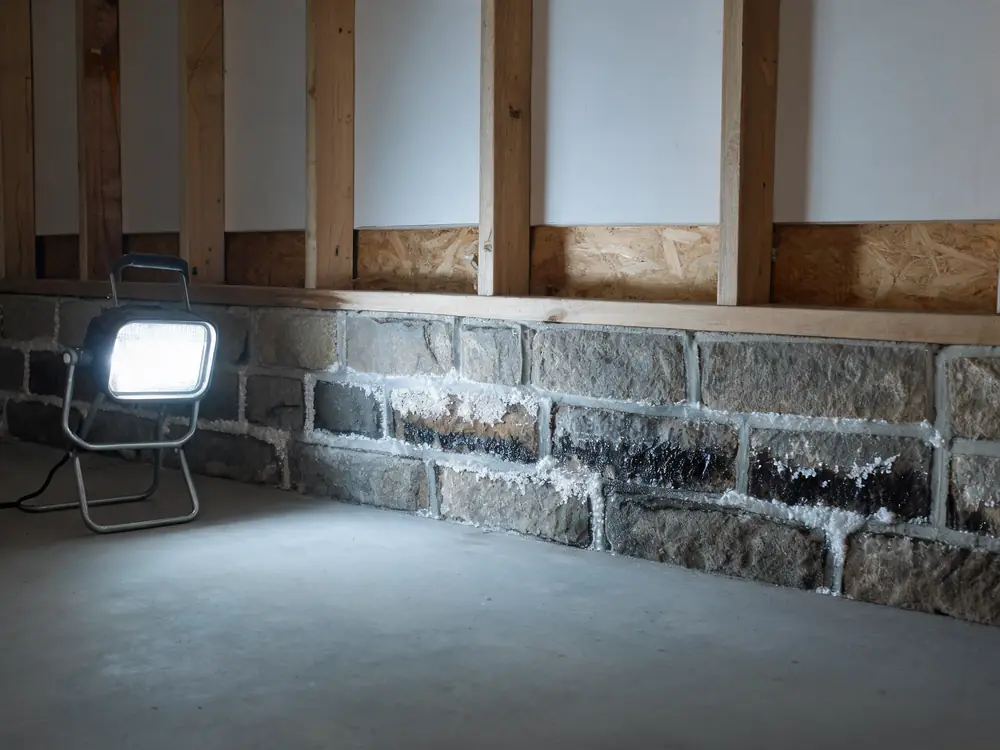
Local soil and weather make crawl spaces here especially prone to mold. Much of the land around Gettysburg has clay-rich soils that drain slowly. In spring, rain and snowmelt raise the water table, and many crawl spaces turn muddy or hold standing water from March into May. Gettysburg also gets about 43 inches of precipitation a year, spread across every season.
Summer is the second wave. July and August bring hot, humid air that pours through open foundation vents and condenses on cool joists and ducts. Late-summer and fall tropical storm remnants have flooded this region before, including Agnes in 1972, Ivan in 2004 and Lee in 2011, and homes in low areas near Marsh Creek and Rock Creek tend to feel it first.
The housing mix adds to it. Many older homes in town and in boroughs like New Oxford and Littlestown have crawl spaces under rear additions, porches and kitchens that were added decades after the main house. Those spaces are often low, unvented or vented badly, with bare dirt floors. Newer homes across Cumberland Township and the surrounding townships more often have block crawl spaces with vents and thin plastic that has torn or shifted over time.
The fix is the same everywhere: get water away from the foundation, cover the soil, and control the air. The EPA's brief guide to mold, moisture and your home recommends keeping indoor humidity below 60%, ideally between 30% and 50%, and that is a good target for a sealed crawl space too.
What Affects the Price of Crawl Space Mold Remediation
We price each crawl space after an inspection, because two homes of the same size can need very different work. These are the main cost drivers:
- Size and how much framing is affected. One damp corner costs far less than growth across every joist bay.
- Access and clearance. A crawl space with 18 inches of headroom takes more labor than one you can kneel in.
- Insulation and debris. Pulling down wet batts and hauling out old plastic adds labor and disposal.
- Removal method. Hand scrubbing suits light growth; blasting costs more per day but moves faster on heavy growth.
- Moisture control choice. A basic vapor barrier is the least expensive; full encapsulation with a dehumidifier is the most.
- Drainage and repairs. A sump, perimeter drain or rotted sill plate repair adds to the scope.
- Testing. Pre-work testing and independent clearance testing are separate line items.
As a general guide, a small area under 10 square feet often runs about $500 to $1,500, and most crawl space projects fall in the $1,500 to $6,000 range. Encapsulation, drainage work and wood repair can push a job past that. For a full breakdown, see our guide to crawl space mold remediation cost, or our main mold remediation cost page, which also covers insurance. Your firm price always comes in writing after we inspect.
Can You Clean Crawl Space Mold Yourself?
The EPA says homeowners can often clean mold patches smaller than about 10 square feet on their own. Crawl spaces are a hard place to do that safely. You work on your back in tight, dirty space, scrubbing overhead, with spores and dust falling on your face. Most crawl space mold also covers far more than 10 square feet by the time anyone looks.
Call a professional when growth covers several joist bays, when the wood is soft, when the space floods, when anyone in the home has asthma or a weakened immune system, or when you are buying or selling and need documentation. The EPA's mold cleanup guidance lays out where DIY ends. If you have health concerns, talk to your doctor.
Why Gettysburg Homeowners Call Us for Crawl Space Mold
Containment That Keeps Spores Below
Disturbing mold in a crawl space releases spores, and the air down there already drifts up into your rooms. We seal the hatch or interior access, cover nearby HVAC returns and run HEPA air scrubbers that hold the crawl space under negative pressure. Our methods follow the IICRC S520 standard and EPA guidance, with physical removal of growth, not just spraying. Every step is photographed so you can see what happened in a space you may never enter.
Independent Clearance and a Written Warranty
We recommend independent third-party clearance testing on every job, so someone other than the company that did the work confirms the result. Your project also comes with our 12-month written regrowth warranty. You can read exactly what it covers on our warranty page before you sign anything. That gives you a clear standard to hold us to, not a verbal promise.
A 24-Hour Line and a Local Office
Crawl spaces flood during storms and pipes burst on cold nights, so we answer the phone 24 hours a day, 7 days a week. Our office is at 15-23 Baltimore St in downtown Gettysburg, and we serve the boroughs and townships of Adams County plus Hanover. You get a free on-site inspection, a written scope and price, and moisture readings and photos you can share with your insurer. Learn more about our team.
Schedule a Crawl Space Mold Inspection
If your first floor smells musty, your hardwood is cupping, or someone spotted growth on the joists during a home inspection, don't wait for another humid summer to make it worse. Call us at (717) 420-8919, any hour of the day, or send us a message to set up a free inspection. We'll crawl the space, show you photos of what we find, and give you a written plan to clean it and keep it dry.
Crawl Space Mold Remediation FAQs
How much does crawl space mold remediation cost in Gettysburg?
Most crawl space projects fall in the $1,500-$6,000 range, and a small spot under 10 square feet can run about $500-$1,500. Size, access, how heavy the growth is and whether you add a vapor barrier or encapsulation all move the price. We give a firm written price only after an inspection. See what crawl space mold removal costs.
Do I need to encapsulate my crawl space after mold removal?
Not always. A sound vapor barrier over a dirt floor, closed or managed vents and good drainage can be enough in a crawl space that only runs a little damp. Crawl spaces with standing water, heavy regrowth or high summer humidity usually do better with full encapsulation and a dehumidifier. Compare the two in encapsulation vs. a vapor barrier.
Will sealing my crawl space affect radon?
It can. Sealing a crawl space changes how air and soil gas move under the house, and radon levels can go up or down afterward. Pennsylvania has serious radon problems, so test after any encapsulation or major sealing work, and never cut or puncture an existing radon membrane or vent pipe.
Is mold on crawl space joists a structural problem?
Surface mold on joists is usually cosmetic to the wood, but it tells you the framing has been damp for a while. Long-term moisture can lead to rot, which does weaken wood. We probe the joists, sill plates and subfloor and take moisture readings to tell you whether anything needs repair. More on mold on floor joists.
Should I close my crawl space vents in summer?
In humid Gettysburg summers, open vents often pull warm, wet air into a cool crawl space, where it condenses on joists and ducts. Closing vents only works as part of a plan that also covers the dirt floor and controls humidity. Closing vents on a wet, uncovered crawl space can make things worse. See how humidity and dew point drive mold.
How long does crawl space mold remediation take?
Most crawl space jobs take one to three days. Tight access, heavy growth, insulation removal and encapsulation can add time. We include a timeline with your written estimate. See typical remediation timelines.
Other Mold Services in Gettysburg
If you smell something musty, see a stain you can't explain, or are about to buy an older house, a professional mold inspection in Gettysburg, PA tells you what is growing, where the moisture is coming from, and what it will take to fix it. We look at your home the way a moisture detective would, then use air or surface testing only when it answers a real question. You get clear findings in plain language, not a scary lab printout.
Mold Inspection and Testing
Black mold removal in Gettysburg, PA starts with finding the water that feeds the mold, then sealing off the area so spores stay put while we remove what's growing. If you've found dark, slimy patches on drywall, wood, or ceiling tiles, you don't need to panic, but you shouldn't wait either. We're open 24 hours at (717) 420-8919, and we'll tell you plainly what you're dealing with and what it will take to fix.
Black Mold Removal
Basement mold remediation in Gettysburg, PA starts with one fact: most homes here sit on old stone, damp clay soil and a water table that rises every spring, so the space below your floor is the most likely place in the house for mold to grow. We remove mold from basements and crawl spaces, fix the moisture that fed it, and set the space up to stay dry through humid Adams County summers. We're open 24 hours at (717) 420-8919.
Basement & Crawl Space Mold Remediation
Attic mold remediation in Gettysburg, PA starts with one question: where is the moisture coming from? We remove mold from roof sheathing, rafters and trusses, fix the ventilation or venting problem that fed it, and treat the wood so the attic stays dry and clean. We're open 24 hours at (717) 420-8919.
Attic Mold Remediation
Bathroom and kitchen mold removal in Gettysburg, PA starts with finding the water: a shower that leaks into the wall, a fan that never vented outside, or a slow drip under the sink. We remove the mold, fix the cause and keep what can be saved. We're open 24 hours at (717) 420-8919.
Bathroom & Kitchen Mold Removal
Water damage mold restoration in Gettysburg, PA starts the moment water gets where it should not be, because the clock on mold growth is already running. We dry the structure, find hidden moisture, remove anything that has started to grow mold, and put your home back on a path to normal. We are open 24 hours at (717) 420-8919 for leaks, floods and burst pipes.
Water Damage & Mold Restoration
Air duct mold removal in Gettysburg, PA works best when the whole HVAC system is treated as one unit: the ductwork, the evaporator coil, the drain pan, the blower and the air handler cabinet. We clean each part, fix the moisture that let mold grow and verify the results, and we're open 24 hours at (717) 420-8919.
HVAC and Air Duct Mold Remediation
Commercial mold remediation in Gettysburg, PA has to fit around tenants, guests, closing dates and business hours, and that is how we plan every job. We work with landlords, property managers, business owners, home sellers and caretakers of historic buildings in Gettysburg, the Adams County seat, and we are open 24 hours when a leak or a failed inspection cannot wait.
Commercial, Rental and Real Estate Mold Remediation
Mold remediation cost in Gettysburg, PA typically runs $500 to $1,500 for a small area under 10 square feet, $1,500 to $6,000 for a basement or crawl space, and $10,000 to $30,000 or more for a whole home. This page breaks down what those numbers include, what pushes a job up or down, how homeowners insurance treats mold, and how to read an estimate so you only pay for work you need.
Mold Remediation Cost
Our mold remediation process follows the IICRC S520 standard step by step, from the first inspection to independent clearance testing and rebuild, so mold in your Gettysburg home is removed at the source and the moisture that fed it is fixed. Here is what happens on a job, what it costs, and how to keep mold away.
Our Mold Remediation Process
Areas we serve
Crawl Space Mold Remediation Across Adams County
Based on Baltimore Street in Gettysburg, we also work in the boroughs and townships around it. Each town page covers how its housing stock shapes the mold we find there.
Cumberland Township
2.1 miStraban Township
4.8 miMount Joy Township
5.1 miBonneauville
5.2 miHighland Township
5.2 miFreedom Township
6.1 miMount Pleasant Township
6.5 miButler Township
6.8 miBiglerville
6.9 miArendtsville
7.4 miFairfield
7.9 miFranklin Township
9 miLiberty Township
9.2 miGermany Township
9.3 miTyrone Township
9.3 miNew Oxford
9.6 miLittlestown
9.7 miCarroll Valley
9.9 miHamiltonban Township
9.9 miOxford Township
10 miBendersville
10.5 miUnion Township
10.9 miMenallen Township
11 miConewago Township
11.2 miMcSherrystown
11.4 miHamilton Township
12 miBerwick Township
12.2 miHuntington Township
12.7 miAbbottstown
13.1 miReading Township
13.1 miHanover
13.2 miYork Springs
13.8 miLatimore Township
14.7 miEast Berlin
15.2 mi
Need Crawl Space Mold Remediation in Gettysburg?
We answer 24 hours a day. Free, no-obligation estimate after an on-site look.