
Black Mold Removal in Gettysburg, PA
Black mold removal in Gettysburg, PA starts with finding the water that feeds the mold, then sealing off the area so spores stay put while we remove what's growing. If you've found dark, slimy patches on drywall, wood, or ceiling tiles, you don't need to panic, but you shouldn't wait either. We're open 24 hours at (717) 420-8919, and we'll tell you plainly what you're dealing with and what it will take to fix.
Open 24 hours · Free, no-obligation estimate
Get a Free Mold Estimate
Answered 24/7. No obligation.
"Black mold" usually refers to Stachybotrys chartarum, a greenish-black mold that grows on materials that have stayed wet for days or weeks. If you want the background first, read our guide to what black mold is. Many dark molds look alike, so we also explain black mold vs. regular mold and why only a lab can say for sure which one you have.
This page is part of our Gettysburg mold remediation services.
What Our Black Mold Removal Includes
Removing black mold is more than scrubbing a stain. A lasting fix handles the moisture, the growth, the spores in the air, and the damaged materials. Every black mold removal job we do includes these parts:
- Moisture source investigation. We use moisture meters and, where useful, thermal imaging to trace the leak, condensation, or flooding that let the mold grow.
- Containment. We build plastic sheeting barriers and set up negative air pressure so spores don't drift into clean rooms during work.
- HEPA air filtration. HEPA air scrubbers run during the job to capture airborne spores and dust.
- Removal of moldy porous materials. Drywall, insulation, carpet pad, and ceiling tiles with mold growth get bagged and removed, not painted over.
- Cleaning of salvageable surfaces. Framing, subfloor, and other solid wood is HEPA-vacuumed, cleaned, and sanded where needed.
- Drying. Dehumidifiers and air movers bring materials back to normal moisture levels before anything is closed up.
- Clearance. We recommend independent clearance testing so a third party confirms the area is back to normal.
We follow the IICRC S520 standard for professional mold remediation, the industry reference published by the Institute of Inspection, Cleaning and Restoration Certification.
Signs You Need Black Mold Removal
Stachybotrys needs a lot of water. It usually shows up where something has been wet for a week or more. Call for help if you notice any of these:
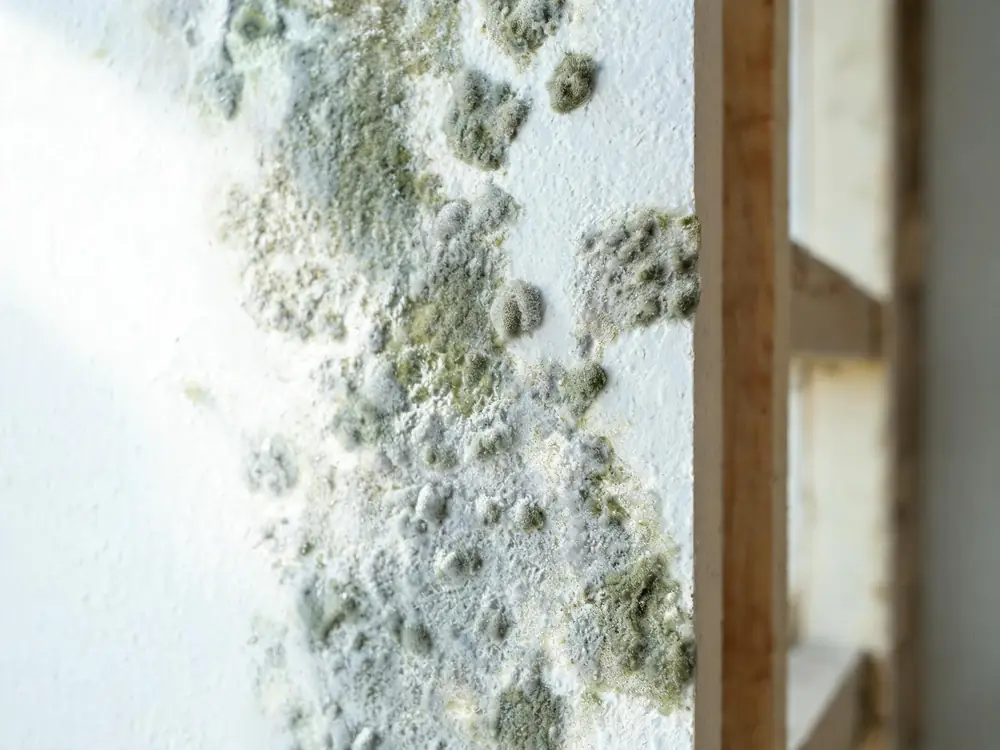
- Dark green or black spots that look slimy when wet and sooty when dry, often in a spreading patch
- Growth on the paper face of drywall, on ceiling tiles, or on wood after a leak
- A strong musty or earthy smell in a basement, closet, or behind furniture
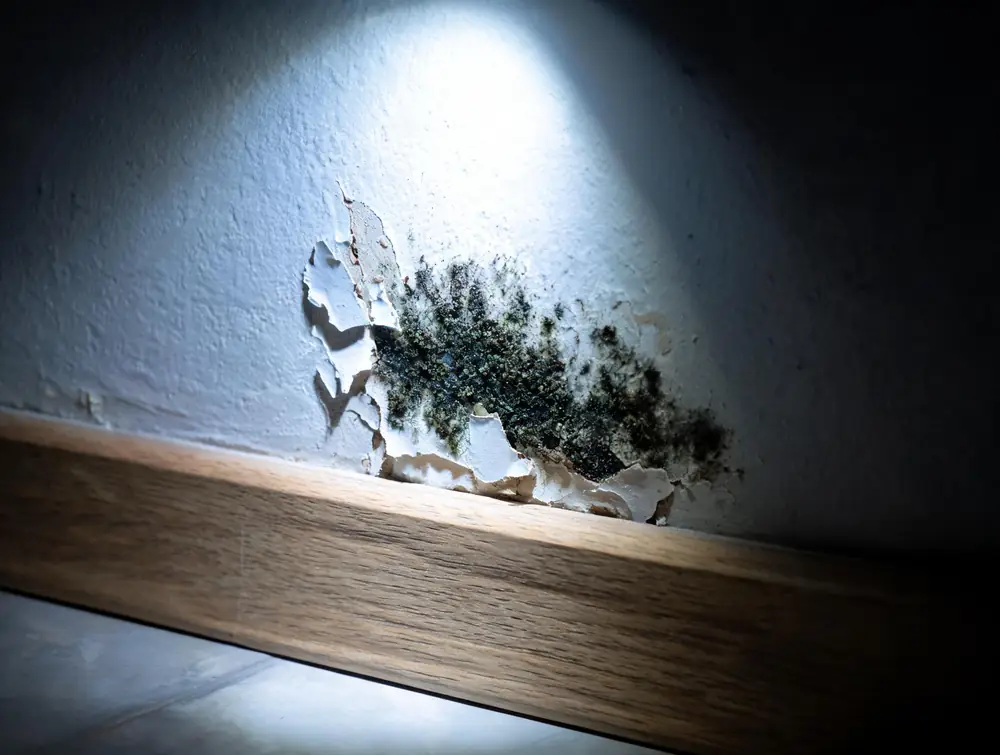
- Stains, bubbling paint, or soft drywall below a bathroom, around a window, or under a roof valley
- Mold that returns after you cleaned it, which means the moisture is still there
- Past flooding, a burst pipe, or a slow plumbing leak that was never fully dried out
- Stuffy nose, cough, itchy eyes, or other allergy symptoms that ease when you leave the house
If you smell mold but can't see it, professional mold inspection and testing can find hidden growth inside walls and under floors. People often ask us is black mold dangerous. The CDC says mold can cause stuffy nose, wheezing, and eye or skin irritation, and that people with allergies, asthma, or weak immune systems can react more strongly. See the CDC's mold and health page, and talk to your doctor about any symptoms.
Our Black Mold Removal Process
Every home is different, but our process follows the same core steps so nothing gets missed.
- Call and triage. You call (717) 420-8919, day or night. We ask about the size of the area, any recent water events, and who lives in the home, then set a visit.
- Inspection and moisture mapping. We look at the visible growth, check the surrounding materials with a moisture meter, and find where the water is coming from. If you want lab confirmation, we can arrange sampling.
- Written scope and estimate. You get a plain-language plan: what we will remove, what we will clean, how long it will take, and what it costs.
- Fix or stop the water. A plumber, roofer, or grading fix may be needed first. Removing mold without fixing the leak only buys time.
- Set up containment. We seal off the work area with polyethylene sheeting, cover HVAC vents, and create negative air pressure with HEPA machines that exhaust outside or filter the air.
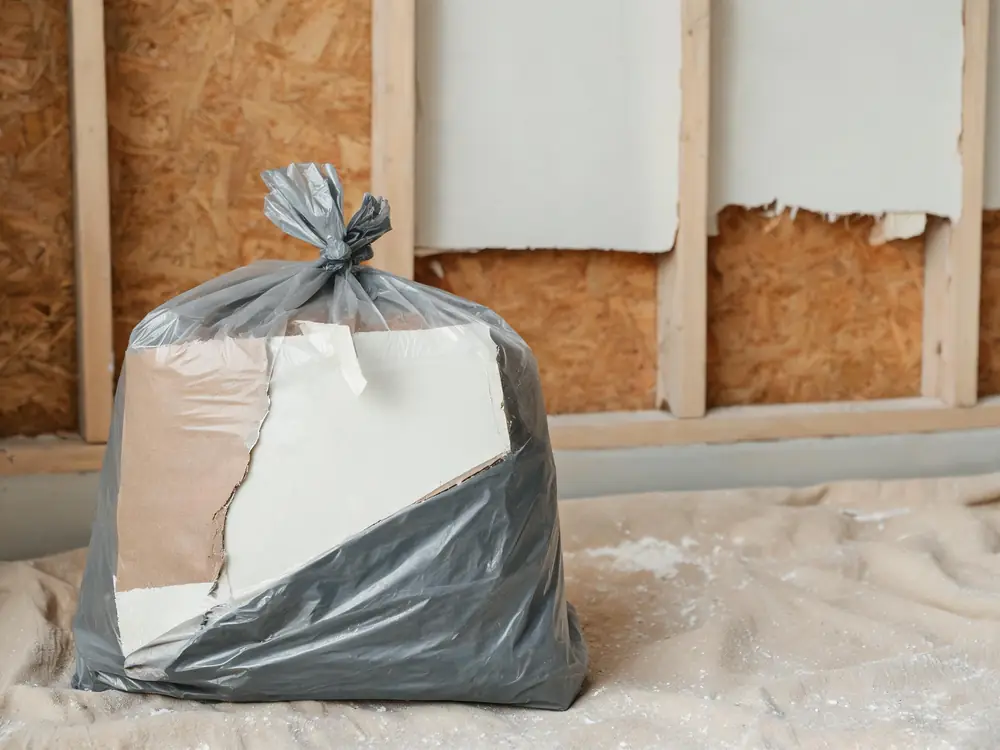
- Remove damaged materials. Moldy drywall and insulation are cut out past the visible edge, bagged inside containment, and taken out of the home.
- Clean and treat. Remaining surfaces are HEPA-vacuumed, wiped with a detergent or EPA-registered cleaning solution, and sanded where mold has stained the wood.
- Dry the structure. We dry framing and subfloors to normal moisture readings before anything is sealed or rebuilt.
- Final cleaning and clearance. After a final HEPA cleaning, we recommend independent clearance testing before containment comes down.
- Rebuild guidance. We can point you toward repairs, or coordinate rebuild if the damage came from a larger water loss through our water damage and mold restoration service.
Tip: Until we arrive, keep doors to the affected room closed, turn off fans that blow toward the mold, and don't scrape or dry-brush the growth. Disturbing it releases spores.
Black Mold Removal Methods Compared
Homeowners often wonder whether they can handle it themselves or whether a spray is enough. Our guide to removing black mold yourself covers the details. The EPA says a homeowner can usually clean an area under about 10 square feet, roughly a 3 ft by 3 ft patch, if they have no health concerns and the mold isn't from sewage or contaminated water. Beyond that, the EPA suggests following its remediation guidance and considering a professional.
| Method | What it does | Works on | Limits |
|---|---|---|---|
| Bleach or household spray | Whitens surface mold | Tile, glass, sealed countertops | Doesn't reach roots in porous materials; fumes; no spore control |
| Detergent scrub and dry (DIY) | Physically removes surface growth | Small areas under 10 sq ft on hard surfaces | No containment; easy to spread spores; misses hidden growth |
| Removal and replacement | Cuts out moldy drywall, insulation, carpet | Porous materials with growth | Needs containment and rebuild |
| HEPA vacuum, clean, and sand | Removes mold from solid wood | Framing, joists, subfloor | Labor-intensive; needs drying first |
| Full professional remediation | Containment, HEPA filtration, removal, cleaning, drying, clearance | Areas over 10 sq ft, hidden mold, HVAC involvement | Higher cost than DIY |
A common question is does bleach kill mold. The short answer: on hard, non-porous surfaces it can, but on drywall and wood the water in bleach soaks in while the chlorine stays near the surface. The EPA's Brief Guide to Mold, Moisture, and Your Home says absorbent materials with mold may need to be thrown away.
Is it always Stachybotrys?
No. Plenty of dark molds, including Cladosporium, Aspergillus niger, and Alternaria, look black on walls. Our overview of types of household mold explains the common ones. The EPA's position is that all mold should be removed from indoor spaces, whatever the species, so the cleanup method depends more on the size of the area and the materials than on the name.
Mold on walls
Drywall is the most common place we find black mold, because its paper face is food for Stachybotrys once it gets wet. Read more about black mold on drywall and why cutting it out usually beats cleaning it.
What Affects Black Mold Removal Pricing
Final pricing comes after an inspection, because no two jobs have the same size, materials, or access. Here are the typical ranges people see in Gettysburg, based on public reference data:
| Job type | Typical range |
|---|---|
| Small area, under 10 sq ft | $500-$1,500 |
| Basement or crawl space | $1,500-$6,000 |
| Whole home | $10,000-$30,000+ |
Nationally, professional mold remediation averages roughly $1,200 to $3,800, based on Angi and HomeAdvisor-style ranges. The main factors that move the price are:
- Square footage of affected material
- Location: an open basement wall costs less than a tight crawl space or attic
- Material type: drywall and insulation get replaced, while framing is usually cleaned
- Containment needs, including negative air and extra HEPA units
- HVAC involvement, if spores have reached ducts
- Testing before and after the work
- Rebuild of drywall, paint, and flooring
See our full breakdown of black mold removal cost, or the broader mold remediation cost page for insurance questions.
Black Mold in Gettysburg Homes: The Local Picture
Gettysburg, the Adams County seat, gets about 43 inches of precipitation a year. July and August are humid, and late-summer tropical storm remnants have flooded the region more than once. Agnes in 1972, Ivan in 2004, and Lee in 2011 all brought serious flooding to south-central Pennsylvania. Winters bring freeze-thaw cycles that burst pipes in unheated spaces, and spring snowmelt pushes water toward foundations. You can check local climate data from the National Weather Service in State College.
The housing stock adds to the risk. Much of downtown sits in the Gettysburg Historic District, with 1800s brick and frame homes on stone and fieldstone foundations. Those rubble foundations let groundwater seep in, so basements stay damp. Plaster walls and old-growth lumber hold up well, but later additions often have drywall over crawl spaces with little ventilation. Bathroom fans vented into attics are also common in older homes, and they feed mold on roof sheathing.
Rental houses near Gettysburg College and the busy B&Bs, hotels, and restaurants along Steinwehr Avenue, Baltimore Street, and Lincoln Square see their own patterns: heavy shower use, closed-up rooms in the off-season, and slow leaks nobody reports. If you own property in the historic district, keep in mind that the Historic Architectural Review Board (HARB) reviews exterior changes, so plan ahead if a fix involves siding, windows, or roofing. For basement work specifically, see our basement and crawl space mold remediation page.
Why Gettysburg Homeowners Call Us for Black Mold Removal
Open 24 Hours for Urgent Mold Problems
Mold doesn't wait for business hours, and neither do burst pipes or flooded basements. We answer (717) 420-8919 around the clock, so you can get advice the same night you find the problem. Quick action matters because mold can start growing on wet materials within 24 to 48 hours. We'll tell you what to do right away, what to leave alone, and when we can get to your home on Baltimore Street or anywhere in Gettysburg.
Containment and HEPA Filtration on Every Job
Black mold removal done without containment can spread spores into rooms that were clean before. We set up plastic barriers, cover HVAC openings, and run HEPA air scrubbers under negative pressure on every remediation job. Moldy materials are bagged inside the work zone before they leave your house. We follow the IICRC S520 standard so the work is done in the order the industry recommends, not the order that's fastest.
We Fix the Cause, Then Prove It's Clean
Mold always comes back if the water does. We trace the moisture source first, whether it's a fieldstone basement wall, a leaky tub drain, or an attic fan vented into the wrong place. After removal and drying, we recommend independent clearance testing, so someone with no stake in the job confirms the area is back to normal. You get a written scope up front and a clear explanation of every step we take.
Get Black Mold Removal in Gettysburg Today
If you've found black mold, the best next step is a conversation. Call us at (717) 420-8919, any hour, or fill out the form on this page. We'll ask a few questions, explain your options, and set up an inspection. You'll get a written estimate before any work starts, with no pressure to book. Our office is at 15-23 Baltimore St Ste. 103 in Gettysburg, and you can learn more about us or reach us through the contact page.
Before and after
Black Mold Removal in Gettysburg: Before and After
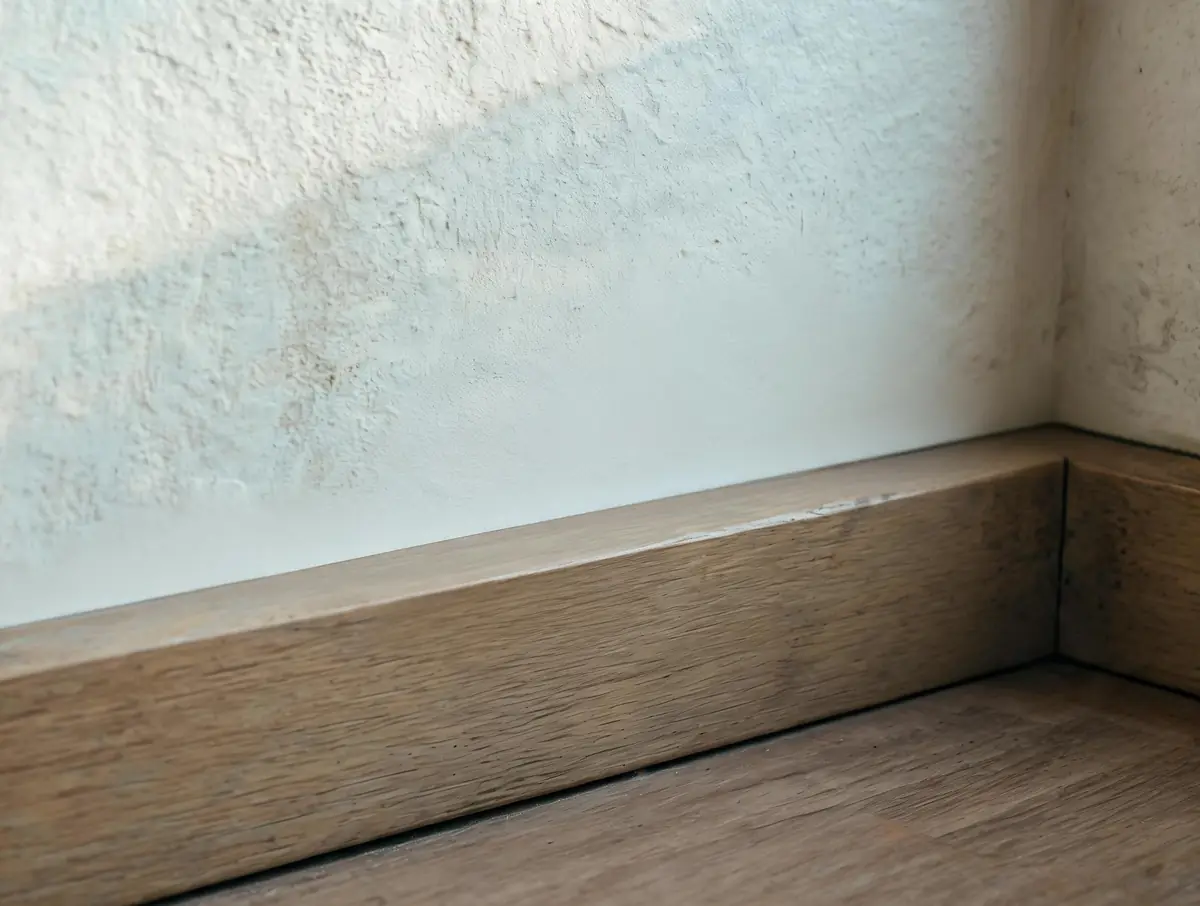
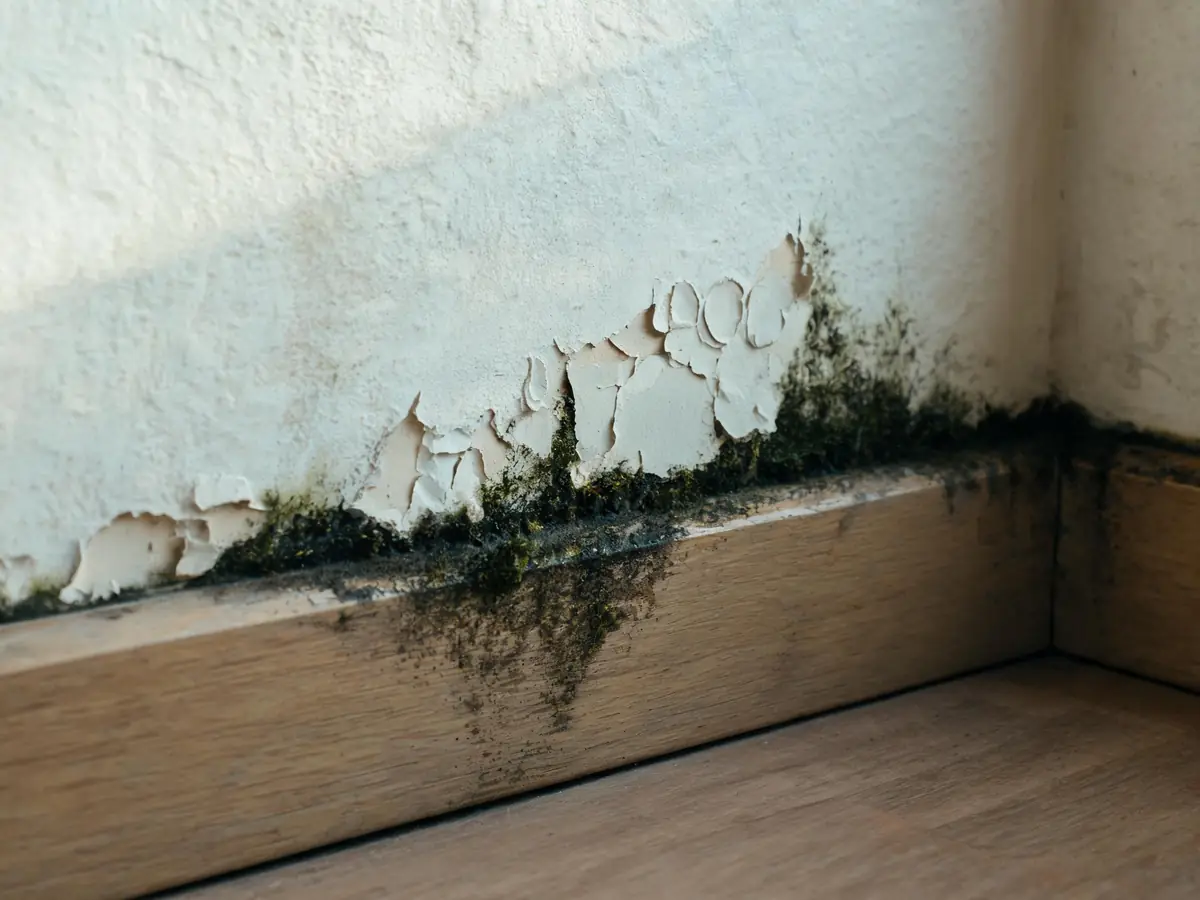 BeforeAfter
Drag the handle to compare. Every property is different — we scope yours on site.
Black Mold Removal FAQs
How fast should black mold be removed?
As soon as you can. The EPA notes that mold can begin growing on wet materials within 24 to 48 hours, and growth keeps spreading as long as moisture is present. Stop the water source first, keep the room closed, and call for an inspection. See how fast mold grows after water damage.
Can I stay in my house during black mold removal?
Usually yes, for small or medium jobs, because containment and negative air pressure keep the work area separate from the rest of the house. For large jobs, or if someone in the home has asthma, allergies, or a weak immune system, it may be better to stay elsewhere. Ask your doctor if you have health concerns. More on staying home during mold remediation.
Do I need a mold test before black mold removal?
Not always. If mold is visible, the EPA says sampling is usually not needed to decide to remove it. Testing helps when you smell mold but can't find it, when you need documentation for a sale or landlord, or after the work as clearance testing. Our mold inspection and testing page explains the options. See when testing is worth paying for.
Does homeowners insurance pay for black mold removal?
It depends on your policy and the cause. Many policies cover mold that results from a sudden, covered event like a burst pipe, but exclude mold from long-term leaks or humidity. Check your policy and talk to your insurer, and see the Pennsylvania Insurance Department for consumer guidance. More on whether homeowners insurance covers mold.
Will black mold come back after removal?
Not if the moisture problem is fixed and the area is dried properly. Mold returns when a leak, high humidity, or poor drainage continues. Keeping indoor humidity below 60 percent, ideally 30 to 50 percent as the EPA suggests, helps prevent regrowth. See what actually keeps mold from returning.
Other Mold Services in Gettysburg
If you smell something musty, see a stain you can't explain, or are about to buy an older house, a professional mold inspection in Gettysburg, PA tells you what is growing, where the moisture is coming from, and what it will take to fix it. We look at your home the way a moisture detective would, then use air or surface testing only when it answers a real question. You get clear findings in plain language, not a scary lab printout.
Mold Inspection and Testing
Basement mold remediation in Gettysburg, PA starts with one fact: most homes here sit on old stone, damp clay soil and a water table that rises every spring, so the space below your floor is the most likely place in the house for mold to grow. We remove mold from basements and crawl spaces, fix the moisture that fed it, and set the space up to stay dry through humid Adams County summers. We're open 24 hours at (717) 420-8919.
Basement & Crawl Space Mold Remediation
Attic mold remediation in Gettysburg, PA starts with one question: where is the moisture coming from? We remove mold from roof sheathing, rafters and trusses, fix the ventilation or venting problem that fed it, and treat the wood so the attic stays dry and clean. We're open 24 hours at (717) 420-8919.
Attic Mold Remediation
Water damage mold restoration in Gettysburg, PA starts the moment water gets where it should not be, because the clock on mold growth is already running. We dry the structure, find hidden moisture, remove anything that has started to grow mold, and put your home back on a path to normal. We are open 24 hours at (717) 420-8919 for leaks, floods and burst pipes.
Water Damage & Mold Restoration
Air duct mold removal in Gettysburg, PA works best when the whole HVAC system is treated as one unit: the ductwork, the evaporator coil, the drain pan, the blower and the air handler cabinet. We clean each part, fix the moisture that let mold grow and verify the results, and we're open 24 hours at (717) 420-8919.
HVAC and Air Duct Mold Remediation
Commercial mold remediation in Gettysburg, PA has to fit around tenants, guests, closing dates and business hours, and that is how we plan every job. We work with landlords, property managers, business owners, home sellers and caretakers of historic buildings in Gettysburg, the Adams County seat, and we are open 24 hours when a leak or a failed inspection cannot wait.
Commercial, Rental and Real Estate Mold Remediation
Mold remediation cost in Gettysburg, PA typically runs $500 to $1,500 for a small area under 10 square feet, $1,500 to $6,000 for a basement or crawl space, and $10,000 to $30,000 or more for a whole home. This page breaks down what those numbers include, what pushes a job up or down, how homeowners insurance treats mold, and how to read an estimate so you only pay for work you need.
Mold Remediation Cost
Our mold remediation process follows the IICRC S520 standard step by step, from the first inspection to independent clearance testing and rebuild, so mold in your Gettysburg home is removed at the source and the moisture that fed it is fixed. Here is what happens on a job, what it costs, and how to keep mold away.
Our Mold Remediation Process
Need Black Mold Removal in Gettysburg?
We answer 24 hours a day. Free, no-obligation estimate after an on-site look.