
Mold guide
Mold Inspection vs. Mold Testing: What's the Difference?
The difference between a mold inspection vs. mold testing comes down to one question each answers: an inspection finds where moisture and mold are in your home, while testing measures what kinds of spores are present and how many. Most Gettysburg homeowners need an inspection first. Testing is a tool that inspectors use when a sample will change a decision.

By Paula Reinhart, Inspection and Testing Lead
Published
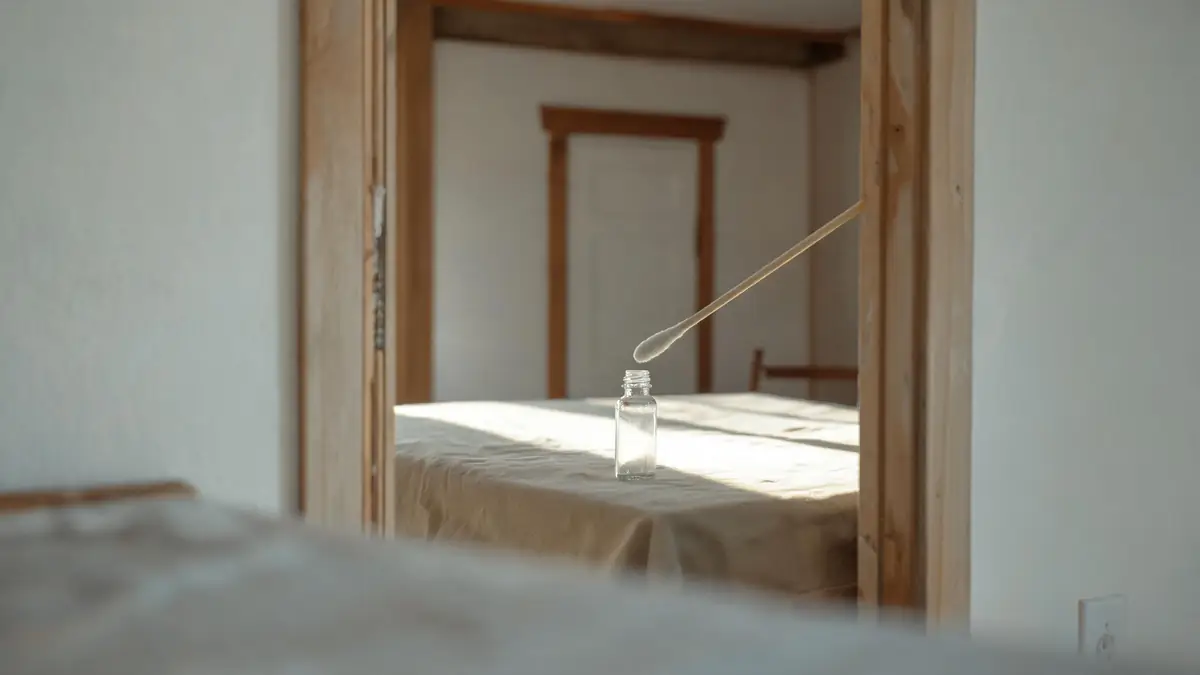
What a Mold Inspection Is
A mold inspection is a visual and instrument-based walk through the house. The inspector's real target is moisture, because mold can't grow without it. Find the water and you find the mold, or the place where it will grow next.
A thorough inspection usually includes:
When it is past the point of a bucket and a fan, our Gettysburg mold crew can scope the job.
- A conversation about leaks, floods, odors, and past repairs.
- A room-by-room look at basements, crawl spaces, attics, bathrooms, kitchens, and HVAC equipment.
- Moisture meter readings on walls, floors, framing, and trim.
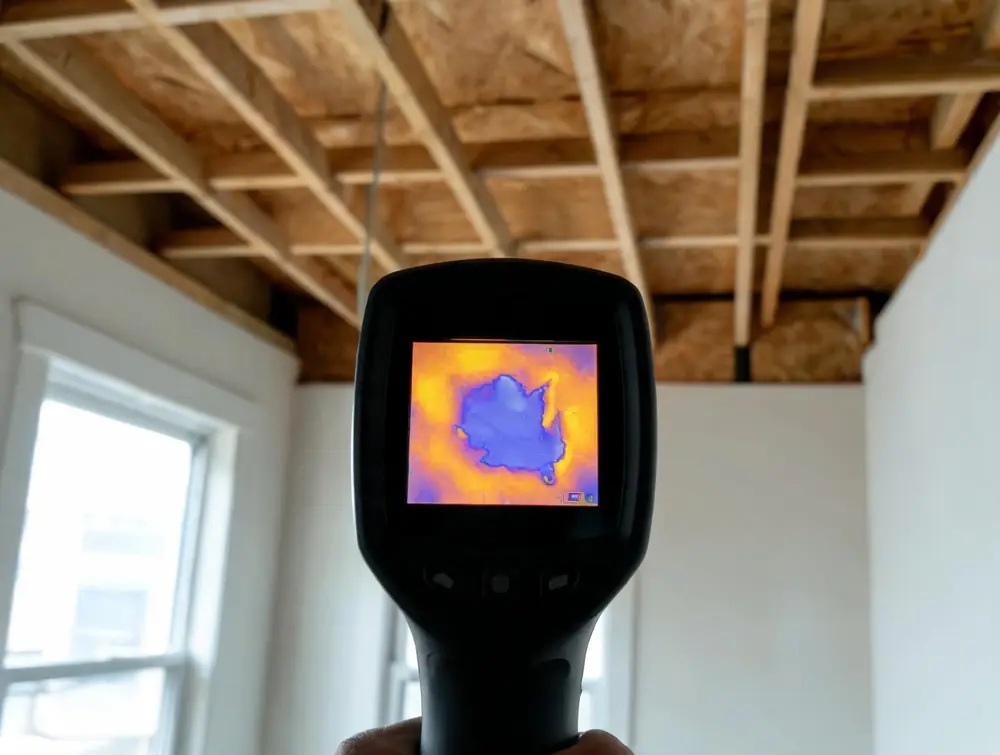
- Thermal imaging to spot cool, damp areas behind finished surfaces.
- Relative humidity readings. The EPA recommends keeping indoor humidity below 60%, ideally 30% to 50%.
- Photos and a written summary of what was found and why.
The result is a map of the problem: where it is, how big it is, and what's feeding it. That map is what a remediation plan is built on.
What Mold Testing Is
Mold testing means collecting samples and sending them to a lab. The lab identifies spore types and, for air samples, counts them. There are three common approaches:
- Air samples pull a measured volume of air through a spore trap cassette. The lab counts spores per cubic meter and compares indoor air to an outdoor sample taken the same day.
- Surface samples use clear tape or a swab on a visible stain to confirm whether it's mold, and which type.
- Bulk samples send a small piece of material, like drywall or carpet, to the lab.
Testing is a snapshot. Spore counts go up and down with weather, time of day, and how much activity is in the room. A single number rarely tells the whole story, which is why testing works best as part of an inspection, not instead of one.
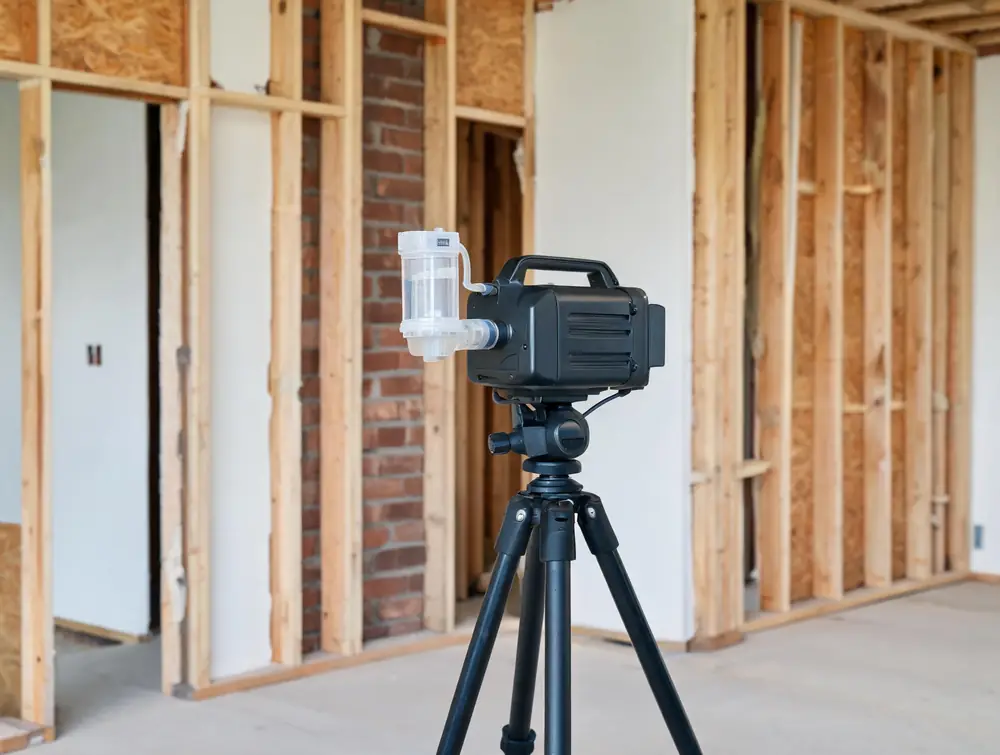
Side-by-Side Comparison
| Mold inspection | Mold testing | |
|---|---|---|
| Main question | Where is moisture and mold, and why? | What spores are present, and how many? |
| Tools | Eyes, flashlight, moisture meters, thermal camera, hygrometer | Air pump and spore trap cassettes, tape, swabs, lab analysis |
| Finds the water source | Yes, that is its main job | No |
| Measures airborne spores | No | Yes (air samples) |
| Results timing | Same day | Usually a few business days from the lab |
| Useful alone? | Often, yes | Rarely; needs context from an inspection |
When an Inspection Alone Is Enough
If you can see mold, you already know you have mold. The EPA says sampling is usually not necessary in that case, and there are no federal limits for indoor spore levels to compare results against anyway. What you need to know is how far it goes and what caused it.
An inspection alone is usually enough when:
- Growth is visible on drywall, framing, or a basement wall.
- There's an obvious recent leak or flood.
- You want to know if a damp basement or attic is at risk before anything grows.
When You Need Testing Too
Testing earns its cost when the answer changes what you do next. Common reasons:
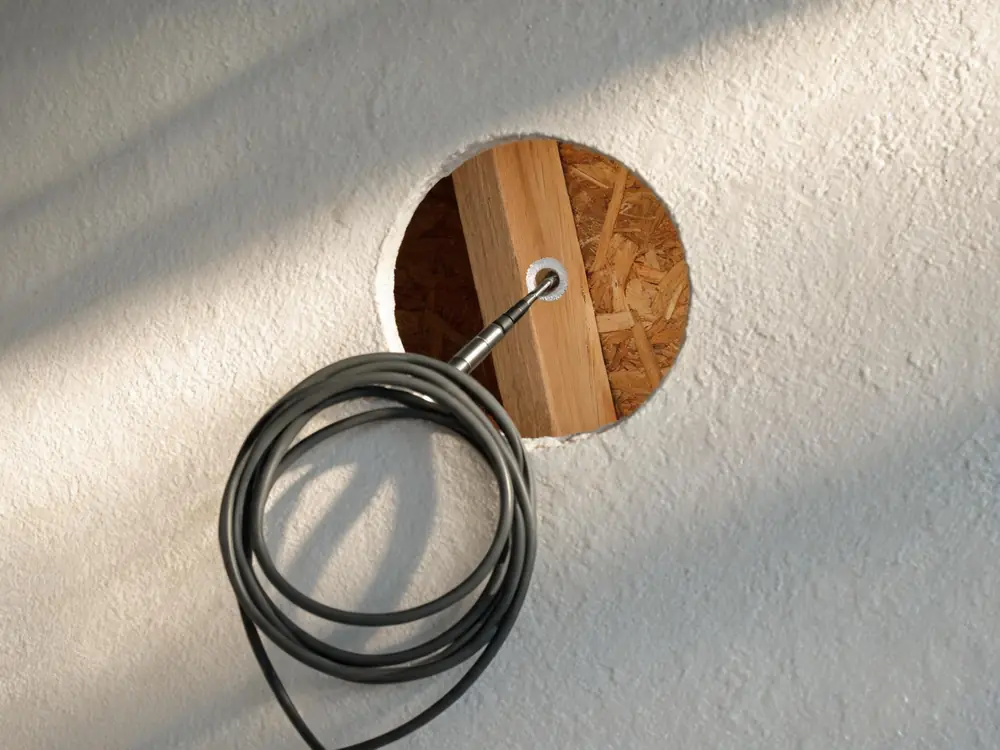
- A musty smell with nothing visible. Air samples, sometimes including a sample from inside a wall cavity, can confirm hidden growth.
- An unknown stain. A tape lift tells you whether a dark spot on a joist is mold, soot, or old dirt.
- A home purchase or sale. Lab documentation can support negotiations or disclosures.
- After remediation. Clearance testing shows that spore levels inside the work area are back to normal.
- Health questions. If a doctor has asked about your home environment, testing can add useful data. Always follow your doctor's guidance on health concerns.
Each sample has a lab fee, so a good inspector will explain why each one is taken. Our breakdown of mold testing cost shows what drives the price.
Why the Difference Matters in Gettysburg Homes
Many houses in and around the Gettysburg Historic District have fieldstone foundations, plaster walls, and crawl spaces under later additions. These spots stay damp for months, especially through humid July and August weather. A test might show normal air in the living room while the crawl space framing is growing mold. Only an inspection that gets into those spaces with a moisture meter will catch that.
The reverse happens too. A homeowner buys a store kit, sees fuzzy growth on the plate, and panics. In most cases that plate just caught the normal spores found in all indoor air. An inspection puts those results in context.
When to Call a Professional
Call a pro if you smell mustiness that won't go away, see growth larger than about 10 square feet (the EPA's size guideline for bringing in help), have had water damage that wasn't fully dried, or are buying an older home. Our mold inspection and testing service starts with moisture mapping and adds lab samples only when they answer a real question. Call (717) 420-8919, any hour, to talk it through.
This one comes up on more than one kind of job: mold inspection and testing in Gettysburg, black mold removal in Gettysburg and how our remediation process works.