
Mold guide
Mold Air Sampling vs. Surface Sampling Explained
When it comes to mold air sampling vs. surface sampling, each method answers a different question: air samples show what's floating in a room compared to outside, while surface samples tell you what a specific stain or spot is. Gettysburg homeowners often need one, sometimes both, and occasionally neither. Here's how professionals decide.

By Paula Reinhart, Inspection and Testing Lead
Published
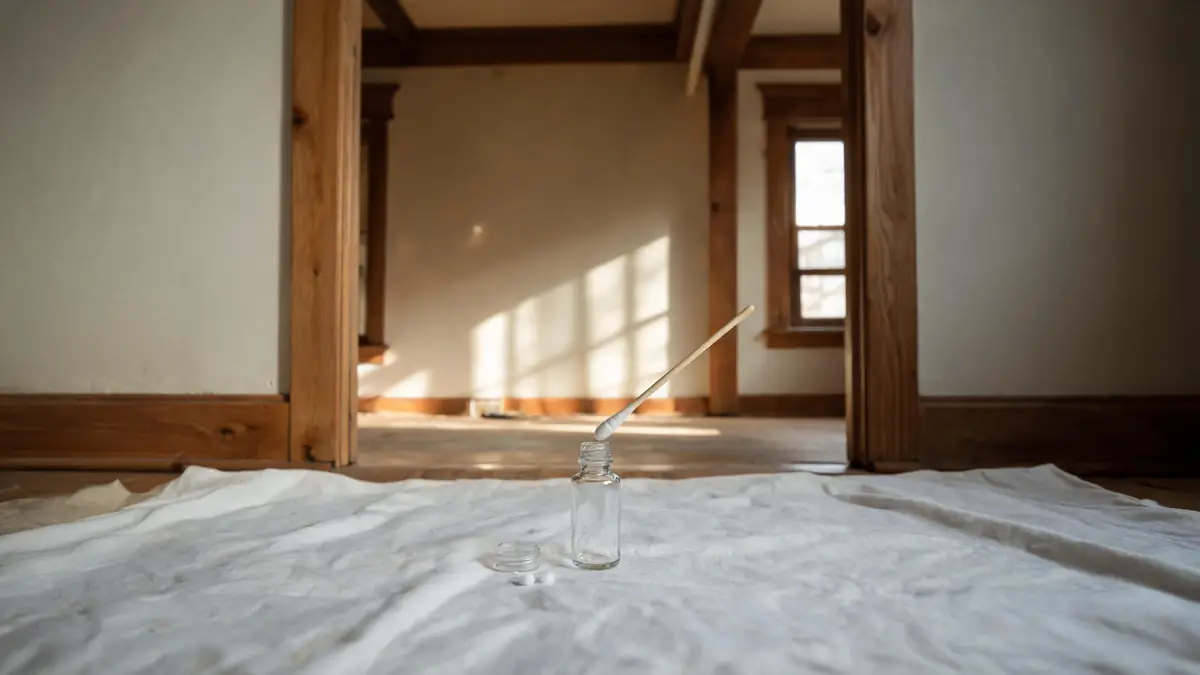
How Air Sampling Works
For a standard spore trap air sample, the inspector attaches a small sealed cassette to a calibrated pump. The pump pulls a set volume of air through the cassette for a few minutes. Spores and particles stick to a sticky slide inside. The lab then counts and identifies them under a microscope and reports spores per cubic meter of air.
Dealing with this in a Gettysburg property? That is the everyday work of professional mold remediation in Gettysburg.
The key to a useful air test is comparison. Every air sampling job should include an outdoor sample taken the same day. Indoor results are judged against it:
- Indoor counts similar to or lower than outdoor counts, with similar types, usually point to normal conditions.
- Indoor counts well above outdoor counts suggest an indoor source.
- Types found indoors but barely present outside, such as Stachybotrys or Chaetomium, which grow on materials that have stayed wet, are a red flag even at low numbers.
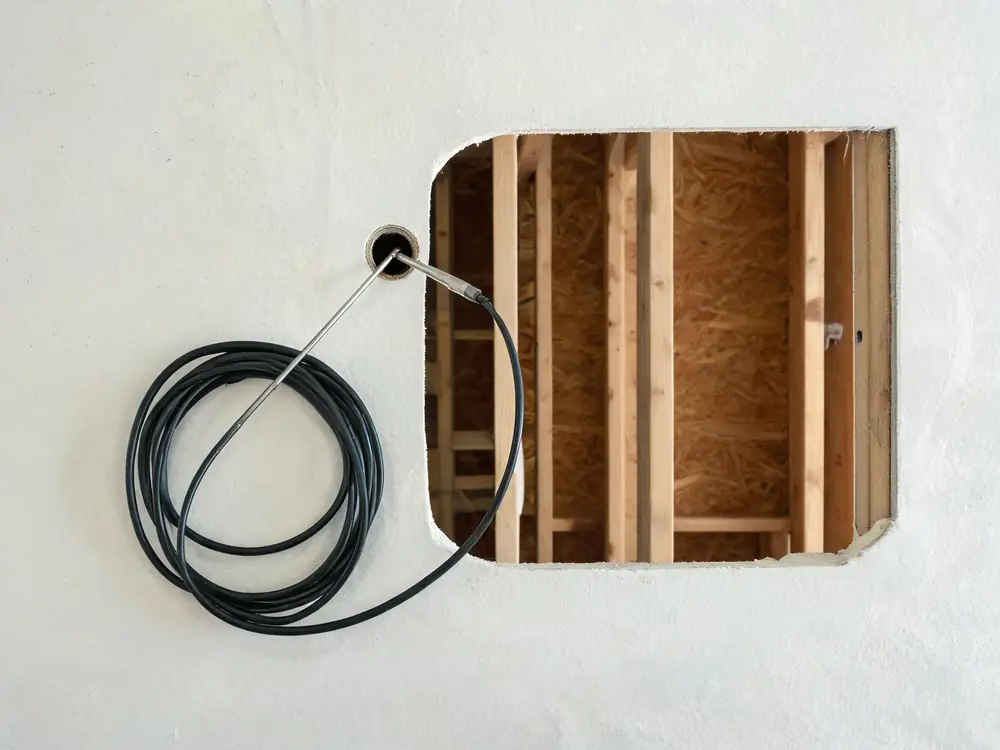
Wall cavity air samples
When an inspector suspects mold inside a wall, a small probe can be pushed through a tiny hole to sample air from the cavity. This is helpful in older Gettysburg homes with plaster walls, where growth on the back of lath or paper can be hidden for years.
Limits of air sampling
- It's a snapshot. Counts shift with weather, wind, time of day, and activity in the room.
- Some mold types, including Stachybotrys, have heavy, sticky spores that don't stay airborne well. Low air counts don't rule them out.
- There's no federal standard for "safe" indoor spore levels. The EPA notes that no health-based limits have been set.
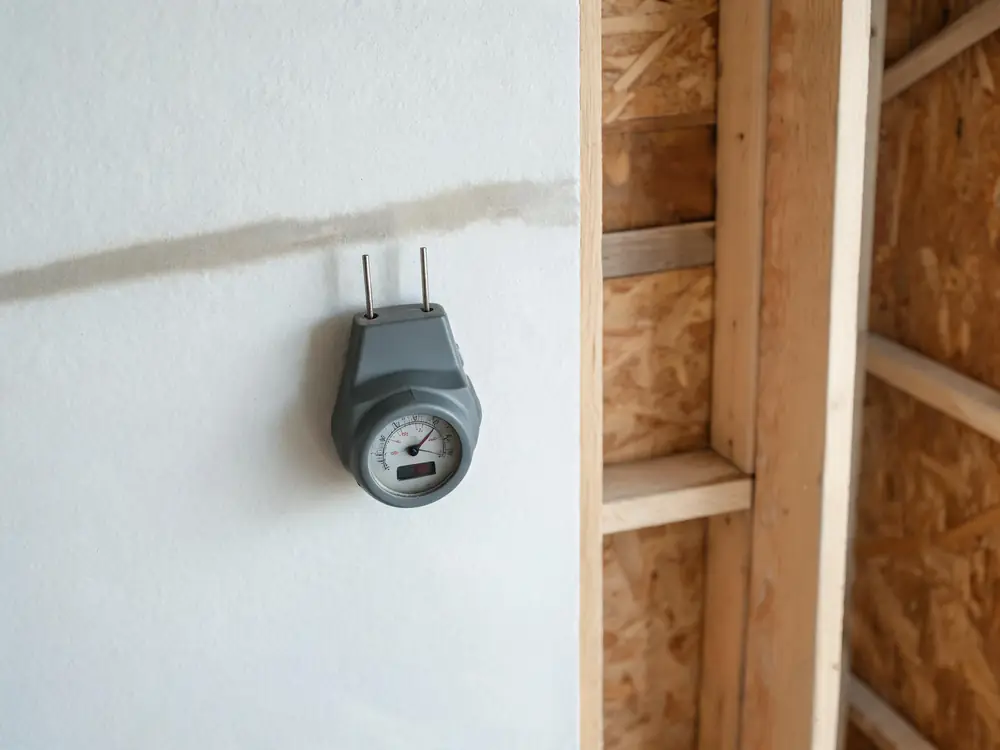
How Surface Sampling Works
Surface sampling collects material from a spot you can see. There are three main types.
Tape lift
The inspector presses clear tape against the surface, then seals it on a slide. The lab looks at it under a microscope to see whether there are mold structures (spores and the thread-like hyphae) and what types they are. Tape lifts work best on smooth surfaces like painted drywall, wood trim, and furniture.
Swab
A sterile swab is rubbed over the area and sealed in a tube. Swabs work better than tape on rough or uneven surfaces like concrete block, fieldstone, or rough-sawn joists.
Bulk sample
A small piece of the material itself, such as a square of drywall, a bit of carpet, or insulation, goes to the lab. This is useful when the question is whether growth has gone into a material, not just onto it.
Limits of surface sampling
- It only tells you about the exact spot sampled.
- It doesn't show how much mold is in the air you breathe.
- If growth is clearly visible and widespread, a surface sample often just confirms what you already know.
Air vs. Surface Sampling at a Glance
| Air sampling | Surface sampling | |
|---|---|---|
| Question answered | Is there an indoor source raising spore levels? | Is this spot mold, and what type? |
| Needs outdoor comparison | Yes | No |
| Finds hidden growth | Can suggest it, especially wall cavity samples | No |
| Identifies a visible stain | No | Yes |
| Used in clearance testing | Yes, commonly | Sometimes, on cleaned surfaces |
| Main weakness | Snapshot that varies with conditions | Only describes one small spot |
How Pros Choose the Right Method
A good inspector picks samples based on your question, not a standard package. Some common cases:
- Musty smell, nothing visible: air samples in the affected rooms, an outdoor baseline, and possibly a wall cavity sample.
- Dark spots on basement joists: a tape lift or swab to tell mold from staining or old soot.
- White fuzz on a fieldstone wall: often efflorescence (mineral salts) rather than mold. A swab settles it.
- After remediation: air samples inside the work area and outdoors, plus a visual check for dust and growth.
- Large visible growth after a leak: often no sampling at all. The money goes toward removal and drying.
Local Conditions That Affect Sampling
Gettysburg's humid summers and wet falls push outdoor spore counts up in late summer, and rain or wind can shift them hour to hour. We take the outdoor sample as close in time to the indoor samples as we can. In winter, snow cover drops outdoor counts, which can make indoor numbers look higher by comparison. An experienced reader of lab reports accounts for the season.
When to Call a Professional
If you're unsure which test you need, that's normal. Our mold inspection and testing service starts with moisture mapping and a visual survey, then adds only the samples that answer your question. Call (717) 420-8919 any time, day or night.
For the wider context, start with Mold Inspection vs. Mold Testing: What's the Difference?.