
Mold guide
Are DIY Mold Test Kits Accurate? What Pros Say
Are DIY mold test kits accurate? For the most common type, the settle plate, the short answer is no: they reliably show that mold spores exist, which is true of almost every home in Gettysburg and everywhere else. What they can't tell you is whether you have a mold problem, where it is, or what's causing it.

By Paula Reinhart, Inspection and Testing Lead
Published
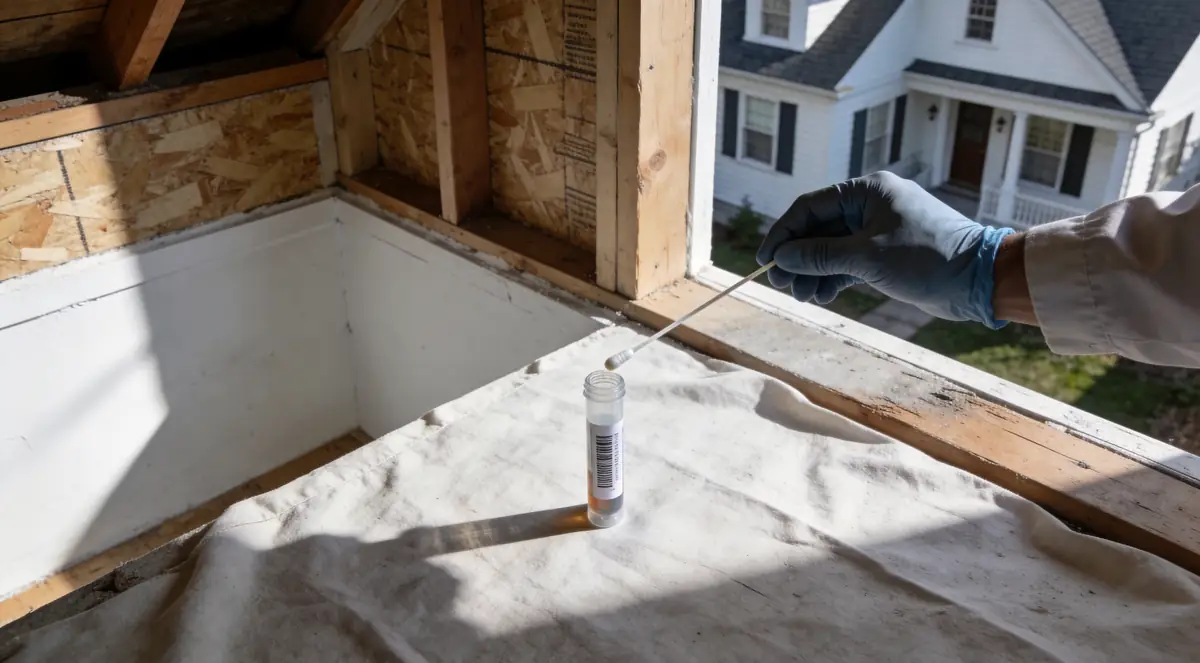
How DIY Mold Test Kits Work
Most kits sold at hardware stores use a small dish of growth medium, often called a settle plate or petri dish. You open it, leave it in a room for an hour or so, close it, and wait a few days. If fuzzy spots grow, the kit says you have mold. Some kits let you mail the plate to a lab, for an added fee, to identify what grew.
When it is past the point of a bucket and a fan, mold remediation in Gettysburg, PA can scope the job.
Other kits include swabs for visible stains or a simple color-change test. Those can tell you whether a spot is likely mold, but you can usually see that already.
Why Settle Plates Mislead Homeowners
1. Mold spores are everywhere
The CDC and EPA both note that mold spores are common in outdoor and indoor air. A plate left open in a clean, dry house will still catch some. So a "positive" result is nearly guaranteed and doesn't mean much on its own.
2. No outdoor comparison
Professional air testing always compares indoor air to an outdoor sample taken the same day. That comparison is the whole point. A kit gives you one number or one picture with nothing to judge it against.
3. No measured volume
A settle plate catches whatever happens to fall on it. Heavier spores land faster, lighter spores float past, and a fan or open door changes everything. Professional spore traps pull a set volume of air, so results can be expressed as spores per cubic meter.
4. Some molds don't grow well on the plate
Different molds grow at different speeds on different media. Fast growers can crowd out slower ones on a plate. Some molds that grow on water-damaged building materials may not show up well at all, which can give false comfort.
5. No moisture source
Mold only becomes a problem where there's water. A kit can't find a leaking drain line, a sweating duct, or a wet fieldstone wall. That's the information you need to fix anything.
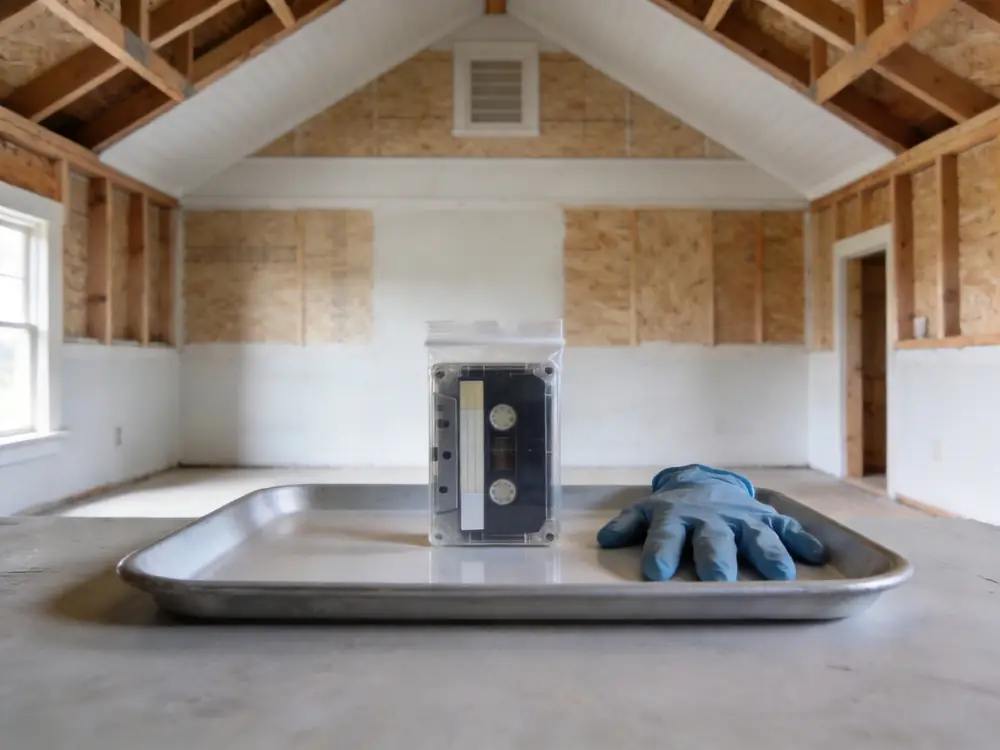
DIY Kit vs. Professional Testing
| DIY settle-plate kit | Professional inspection and testing | |
|---|---|---|
| Outdoor baseline | No | Yes |
| Measured air volume | No | Yes, calibrated pump |
| Spore counts | No | Spores per cubic meter |
| Finds moisture | No | Moisture meters, thermal imaging, humidity readings |
| Interprets results | You do | Inspector explains in context |
| Typical outcome | "Mold detected" almost every time | Clear answer on whether there is a problem and where |
What About Swab Kits and Lab Mail-In Kits?
A swab or tape kit you mail to a lab can identify a visible stain. That has some value if you truly don't know whether a spot is mold, soot, or dirt. But if the stain is clearly mold, the EPA says testing is usually unnecessary: the next step is cleanup and fixing the moisture.
Mail-in air kits with a pump are closer to professional methods, but the results still depend on where and how the sample was taken, and you're left to interpret them yourself.
What a Real Mold Test Looks Like
A professional assessment follows a different sequence:
- Talk through the history: leaks, odors, floods, repairs.
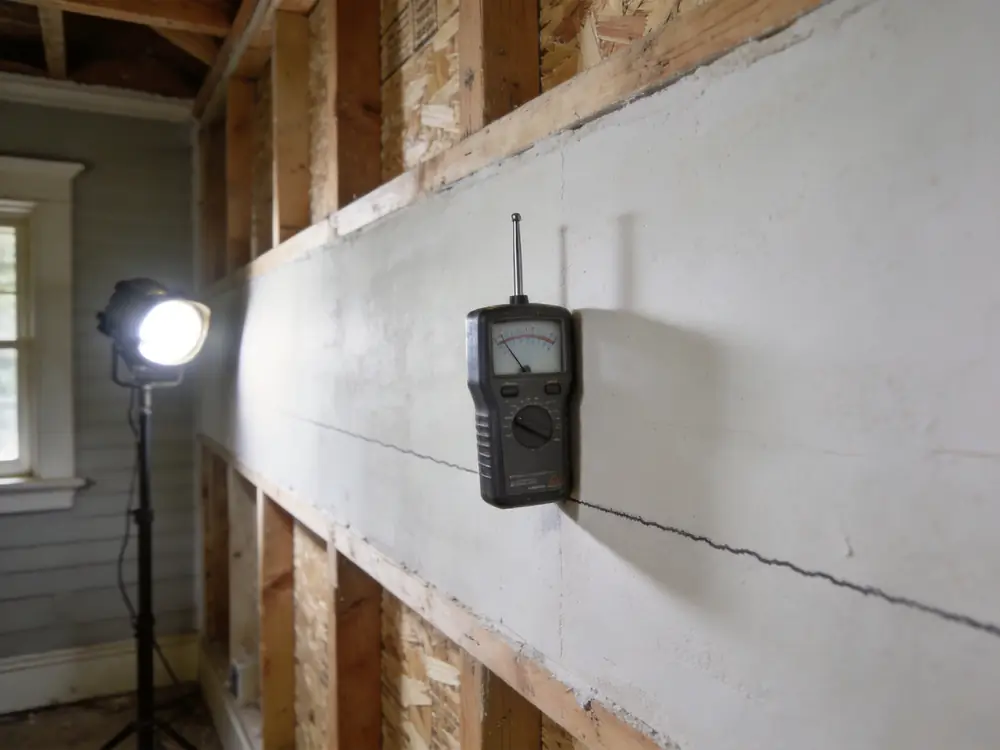
- Walk the home with a moisture meter and thermal camera, from the basement up.
- Record humidity in each area of concern.
- Take an outdoor air sample, then indoor samples only where they answer a question.
- Send samples to an independent accredited lab.
- Explain the results against the outdoor baseline and the moisture findings.
Why Kits Are Especially Misleading After Cleanup
Some homeowners use a kit to "check" whether mold removal worked. A plate will likely still grow something, even after a good job, because normal spores come in through doors and windows every day. That can cause needless worry, or send a homeowner into a second round of work.
The right way to confirm a job is post-remediation clearance testing: a visual check, moisture readings, and air samples compared to outdoors, ideally done by an independent tester.
A Note on Gettysburg Homes
In older Gettysburg houses with stone foundations and unfinished basements, a settle plate left in the basement will almost always grow mold. That doesn't mean the house is unhealthy. It means the basement is damp, which you probably already knew. The fix is humidity control and water management, not a kit.
When to Call a Professional
If a kit came back positive and you're worried, don't panic and don't ignore it. Schedule professional mold inspection and testing to get a real answer. We'll find out whether there's an actual problem and where the moisture is coming from. Call (717) 420-8919, 24 hours a day.
For the wider context, start with Mold Inspection vs. Mold Testing: What's the Difference?.