
Mold guide
Mold Inspection Before Buying a Home in Gettysburg
A mold inspection before buying a house is one of the smartest add-ons you can make when the home is older, has a basement or crawl space, or shows any sign of past water. In Gettysburg, where many homes have fieldstone foundations, plaster walls, and attics with limited ventilation, a focused mold inspection can uncover problems a general home inspection may only mention in passing.

By Paula Reinhart, Inspection and Testing Lead
Published
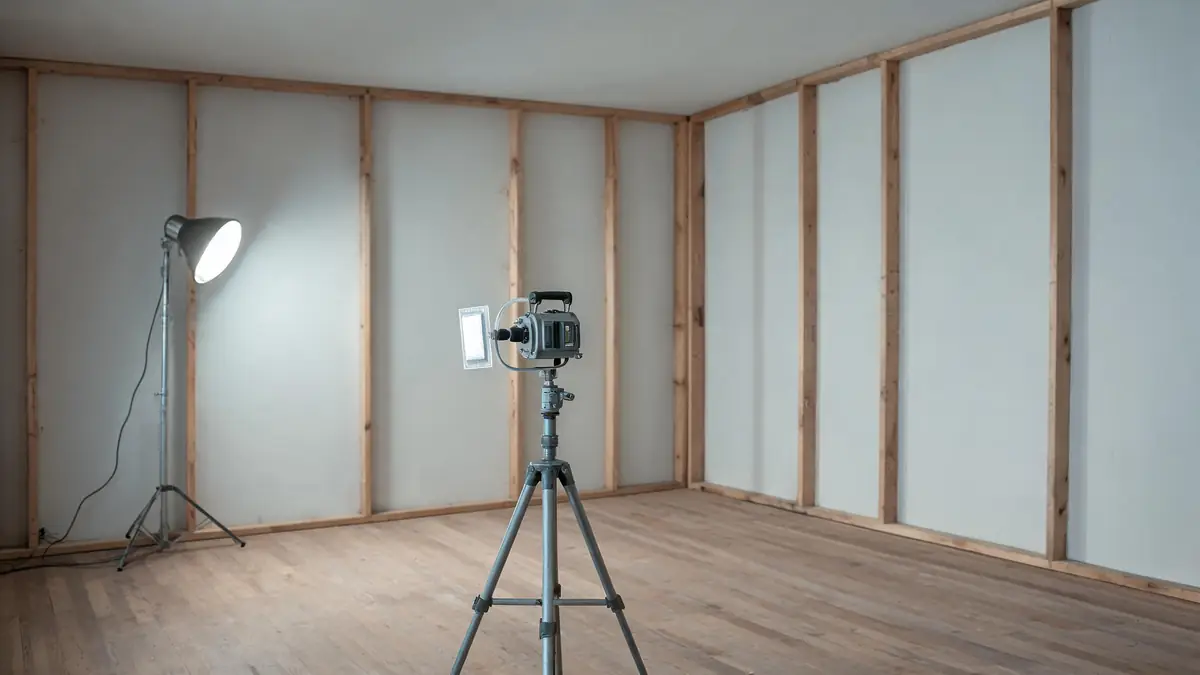
Why a Standard Home Inspection Isn't Always Enough
A general home inspector covers the roof, structure, electrical, plumbing, and more in a few hours. They may note visible mold or water stains, but most don't use moisture mapping or take lab samples. Their report might say "staining observed, recommend evaluation by a specialist." That's your cue.
A mold inspection goes deeper on one question: where is moisture getting in, and has it caused growth? That includes moisture meter readings, thermal imaging, humidity measurements, and lab samples when they'll help your decision.
For how this plays out locally, see mold remediation services in Gettysburg.
When to Add a Mold Inspection
- The house smells musty, especially in the basement, a closet, or when the HVAC runs.
- You see water stains on ceilings, walls, or basement floors.
- There's a fieldstone or block basement, common in older Gettysburg homes, or a crawl space under an addition.
- The basement was recently finished or painted. Fresh paint and new drywall can hide past problems.
- Dehumidifiers are running everywhere during the showing, or the home smells heavily of air freshener.
- The seller disclosure mentions past leaks, flooding, or mold.
- The house has been vacant, such as an estate sale or a foreclosure, with the HVAC off.
- Someone in your household has asthma or allergies. Talk to your doctor about specific health concerns.
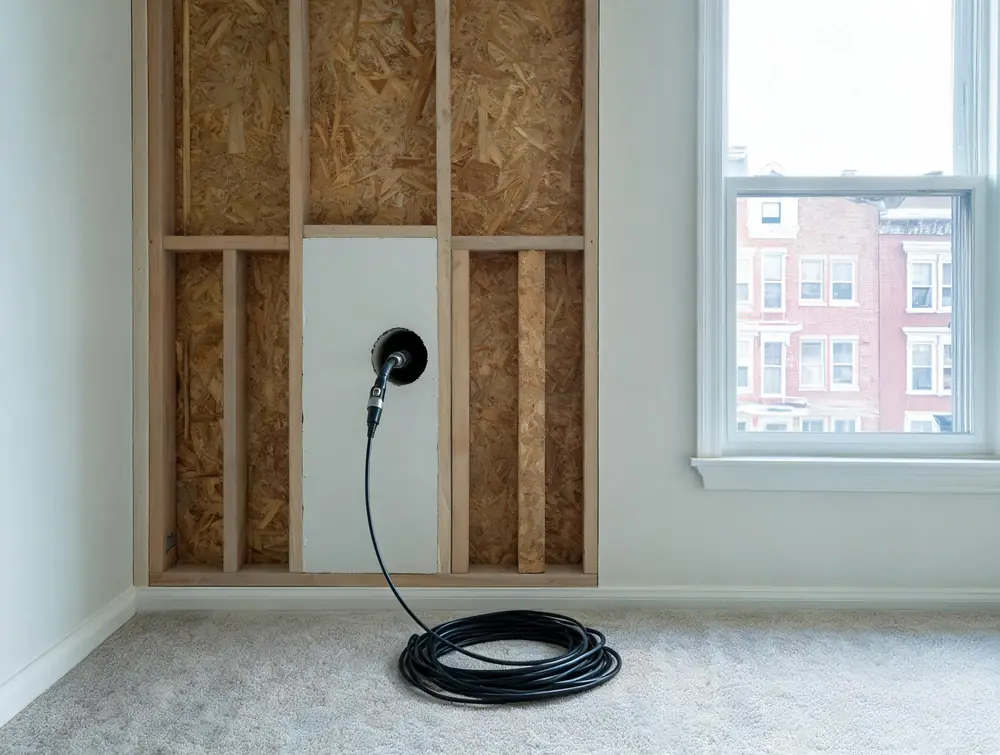
What the Inspection Covers
- A review of the seller's disclosure and the general home inspection report.
- An exterior check of grading, gutters, downspouts, window wells, and the roofline.
- A walk through the basement or crawl space, living areas, bathrooms, kitchen, and attic.
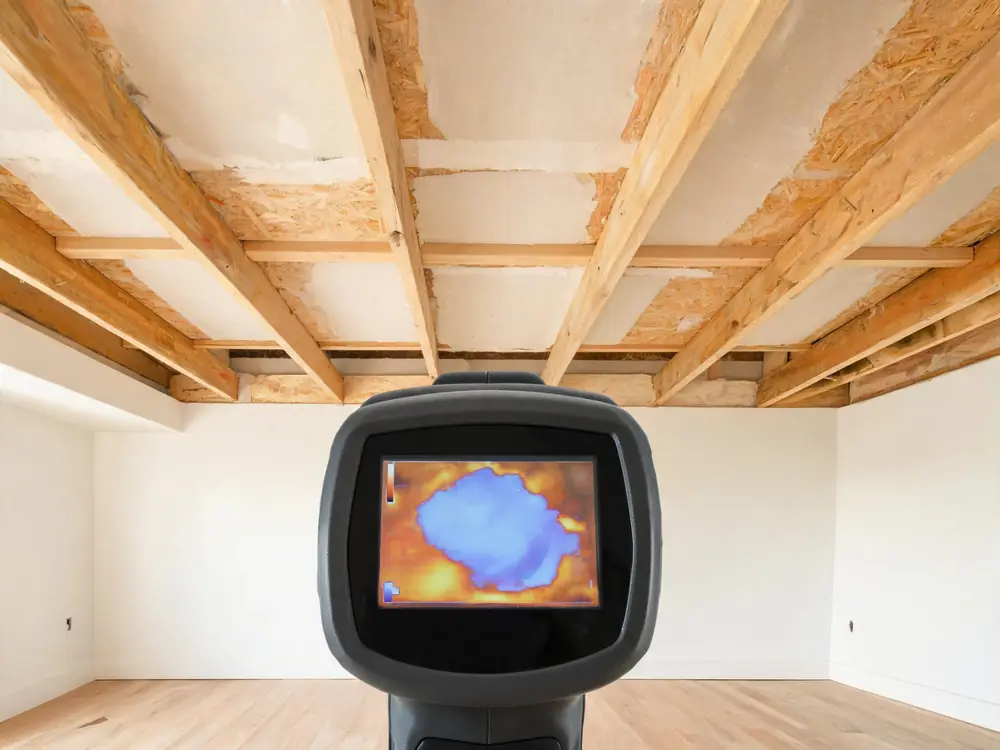
- Moisture readings on walls, floors, framing, and trim, plus thermal imaging for hidden damp spots.
- Relative humidity readings. The EPA recommends indoor humidity below 60%, ideally 30% to 50%.
- Air or surface samples if they'll answer a question, with an outdoor baseline for air samples.
- A written report with photos, readings, lab results, and recommended next steps.
Timing Around Your Contingency Period
Most Pennsylvania purchase agreements give you a set number of days for inspections. That window goes fast. Here's how to use it well:
- Book early. Schedule the mold inspection in the first few days, ideally the same day as or right after the general inspection.
- Ask about rush lab processing. Standard lab turnaround is usually a few business days. Faster results cost more but can save your contingency.
- Make sure the house is closed up. Ask that windows stay closed before testing so air samples reflect normal conditions.
- Get a scope and estimate if needed. If mold is found, a remediation estimate gives you a real number to negotiate with.
What It Costs
National cost guides place most mold inspections with a few air samples in the range of a few hundred dollars, with larger homes or more samples approaching $1,000. That's small next to the cost of surprise remediation. Typical Gettysburg reference ranges for remediation run $500 to $1,500 for a small area, $1,500 to $6,000 for a basement or crawl space, and $10,000 to $30,000 or more for a whole home.
Using the Results to Negotiate
Once you have findings, your agent can help you decide on a response. Common options:
| Finding | Typical response |
|---|---|
| High humidity, no growth | Ask for a dehumidifier or gutter fix, or plan it yourself |
| Small, surface-level growth | Ask for professional cleanup or a modest credit |
| Basement or crawl space growth | Request remediation with clearance testing before closing, or a credit based on an estimate |
| Widespread or hidden growth with an active leak | Renegotiate price, request major repairs, or consider walking away |
If the seller agrees to fix the problem before closing, ask for independent clearance testing afterward and a copy of the report. When you get the lab report, our guide on how to read mold test results explains spore counts and what they mean.
Pennsylvania Disclosure Basics
Pennsylvania's Real Estate Seller Disclosure Law requires sellers to disclose known material defects. The Seller's Property Disclosure Statement asks about water leakage and mold issues. A seller who didn't know about hidden mold may not have disclosed it, which is why your own inspection matters.
This is general information, not legal advice. For questions about disclosure or your contract, talk with your agent or a Pennsylvania real estate attorney. The PA Attorney General's office also has consumer protection resources.
Gettysburg Homes: What We Watch For
Older homes in the Gettysburg Historic District and nearby neighborhoods have their own patterns. Fieldstone foundations wick ground moisture. Plaster walls can hide damp lath. Bathroom fans in older homes often vent into the attic instead of outdoors. Porches and additions sit over crawl spaces with bare soil. Near Gettysburg College, rental houses that sat empty all summer can develop musty basements and bedrooms.
Timing matters too. A basement toured in dry January may seem fine and turn musty by July. If you're buying in winter, ask about summer dehumidifier use and look closely for efflorescence, rust, and stains that hint at seasonal moisture.
When to Call a Professional
If you're under contract on a Gettysburg home and anything smells or looks off, schedule mold inspection and testing early in your contingency period. We can work around your timeline and request rush lab results. Call (717) 420-8919, 24 hours a day.
That is the job covered by our mold inspection and testing in Gettysburg service.
If you are working through this from the beginning, see Mold Inspection vs. Mold Testing: What's the Difference?.