
Commercial, Rental and Real Estate Mold Remediation in Gettysburg, PA
Commercial mold remediation in Gettysburg, PA has to fit around tenants, guests, closing dates and business hours, and that is how we plan every job. We work with landlords, property managers, business owners, home sellers and caretakers of historic buildings in Gettysburg, the Adams County seat, and we are open 24 hours when a leak or a failed inspection cannot wait.
Open 24 hours · Free, no-obligation estimate
Get a Free Mold Estimate
Answered 24/7. No obligation.
This page covers what our commercial and rental work includes, the signs that a building needs it, how we run a job, and what drives the price. If you own a single-family home, our main page on mold remediation services in Gettysburg is a better starting point.
What Commercial Mold Remediation Includes
A commercial or rental job uses the same science as a home job: find the moisture, contain the area, remove the growth, and prove the space is clean. What changes is the paperwork, the scheduling and the number of people affected. Our scope usually includes:
- Moisture assessment: moisture meters and thermal imaging to find the leak, condensation or drainage problem that fed the mold.
- Coordination with testing: we recommend independent mold inspection and testing before work and clearance testing after, so the results do not come from the company doing the cleanup.
- Containment: plastic barriers, sealed vents and negative air pressure so spores do not travel to occupied units, dining rooms or offices.
- HEPA air filtration: air scrubbers run during the whole job and HEPA vacuums clean surfaces before and after removal.
- Removal and cleaning: porous materials like drywall, ceiling tile and carpet are removed and bagged; framing and other hard surfaces are cleaned and treated.
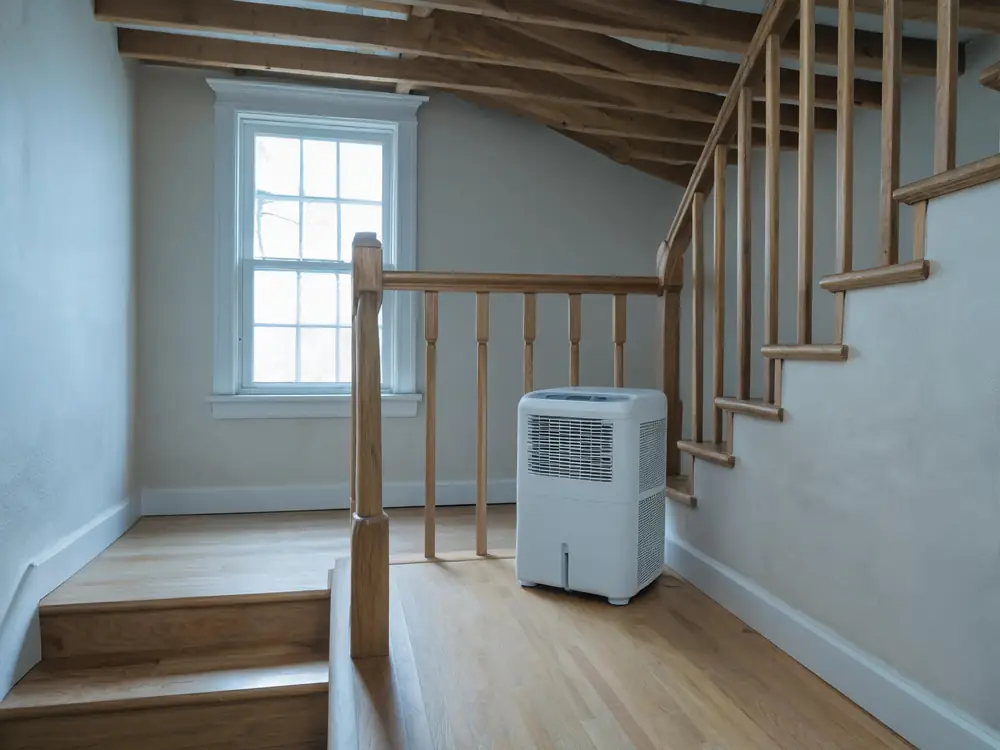
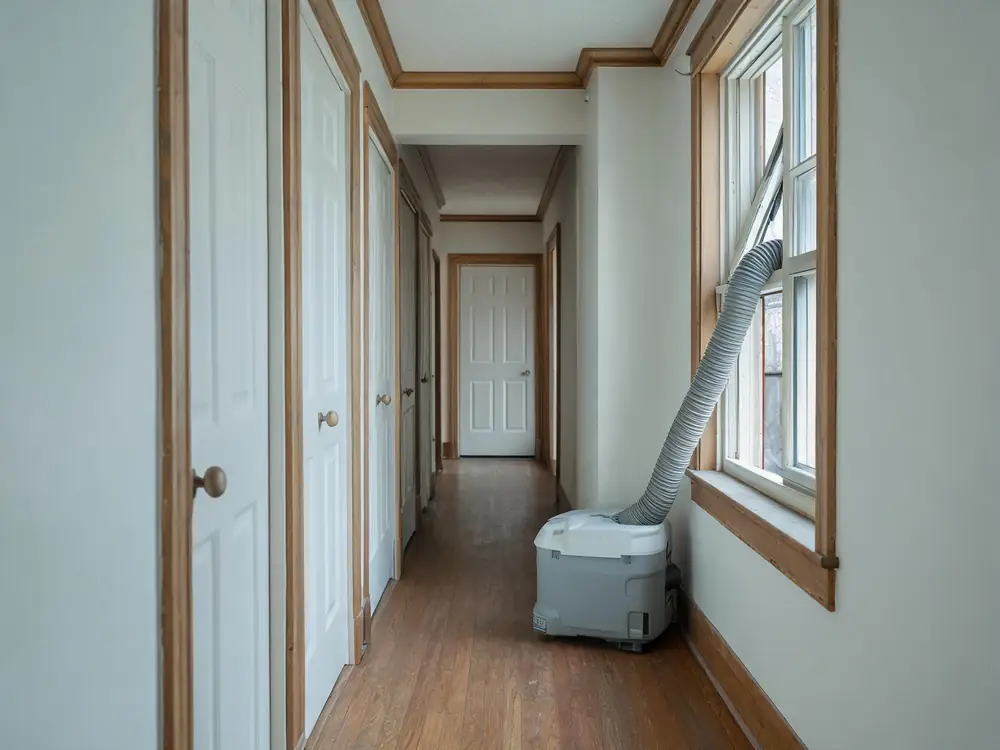
- Drying and source correction: dehumidifiers and air movers bring materials back to normal moisture levels, and we tell you exactly what repair stops it from coming back.
- Documentation: photos, moisture readings, scope of work and clearance results, organized for owners, insurers, tenants, buyers or lenders.
We follow the IICRC S520 standard for professional mold remediation and the EPA guide Mold Remediation in Schools and Commercial Buildings, which is written for exactly this kind of property.
Who We Help
Different owners face different pressures. Here is how our commercial mold remediation work lines up with the property types we see most in Gettysburg.
Landlords and Property Managers
A tenant complaint about a musty bedroom or a black ceiling stain needs a quick, documented response. Pennsylvania has no mold-specific statute, but the implied warranty of habitability applies to residential rentals. Our guide to Pennsylvania mold laws for landlords and tenants explains the basics in plain language. It is general information, so talk to an attorney about your own lease.
Student Housing Near Gettysburg College
Older houses north and west of downtown are often split into student apartments. Crowded bathrooms, window air conditioners and closed-up houses over breaks all add moisture. We schedule around the academic calendar where we can. Read more about mold in student rentals for tips for students, parents and owners.
Home Sellers and Buyers
Mold found during a buyer's inspection can stall a sale. Pennsylvania sellers must disclose known material defects, and a clean clearance report plus a record of the repair helps everyone move forward. See our article on selling a house with mold in PA for how disclosure and remediation fit together.
Historic Buildings
Plaster walls, old-growth lumber and fieldstone foundations do not respond well to aggressive demolition or harsh blasting. We favor gentle cleaning and targeted removal. Our guide to mold remediation for historic buildings covers the methods in detail.
Hotels, B&Bs and Restaurants
Tourism drives much of the local economy, and one musty guest room can show up in an online review. We work room by room so the rest of the property can keep operating. Learn more about mold remediation for hotels and B&Bs.
Offices, Schools and Churches
Flat roofs, aging HVAC systems and buildings that sit empty midweek create their own mold risks. Our guide to mold in commercial buildings is written for facility managers and building committees.
Signs Your Building Needs Mold Remediation
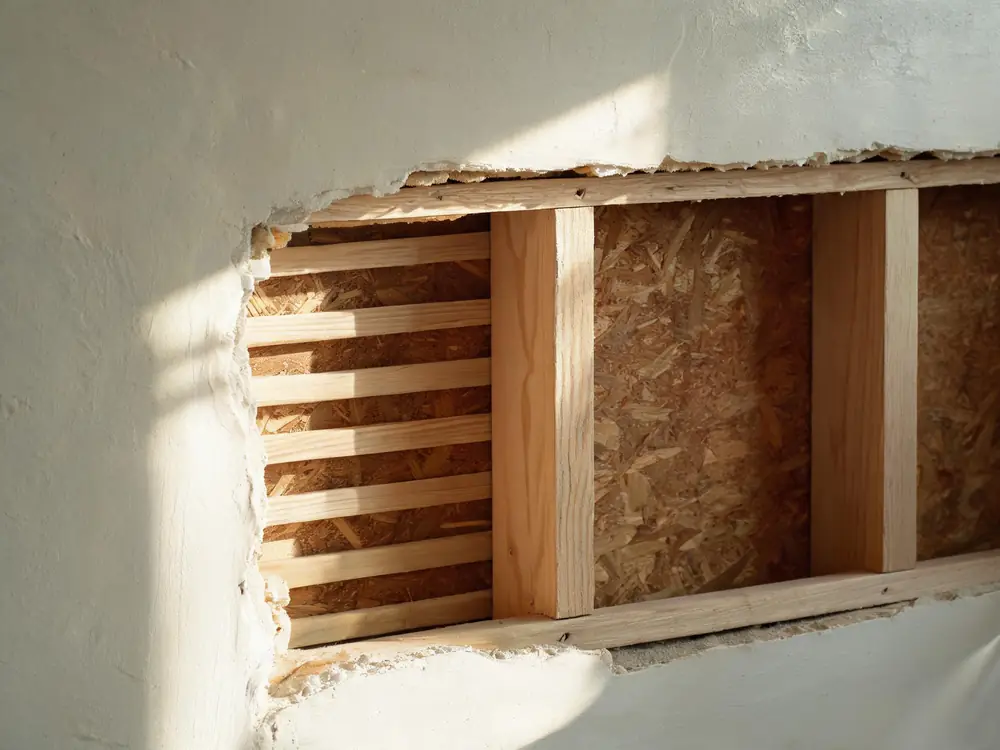
Commercial and rental buildings often show mold later than homes because no single person sees every room every day. Watch for these warning signs:
- Tenant, guest or employee complaints about a musty or earthy smell.
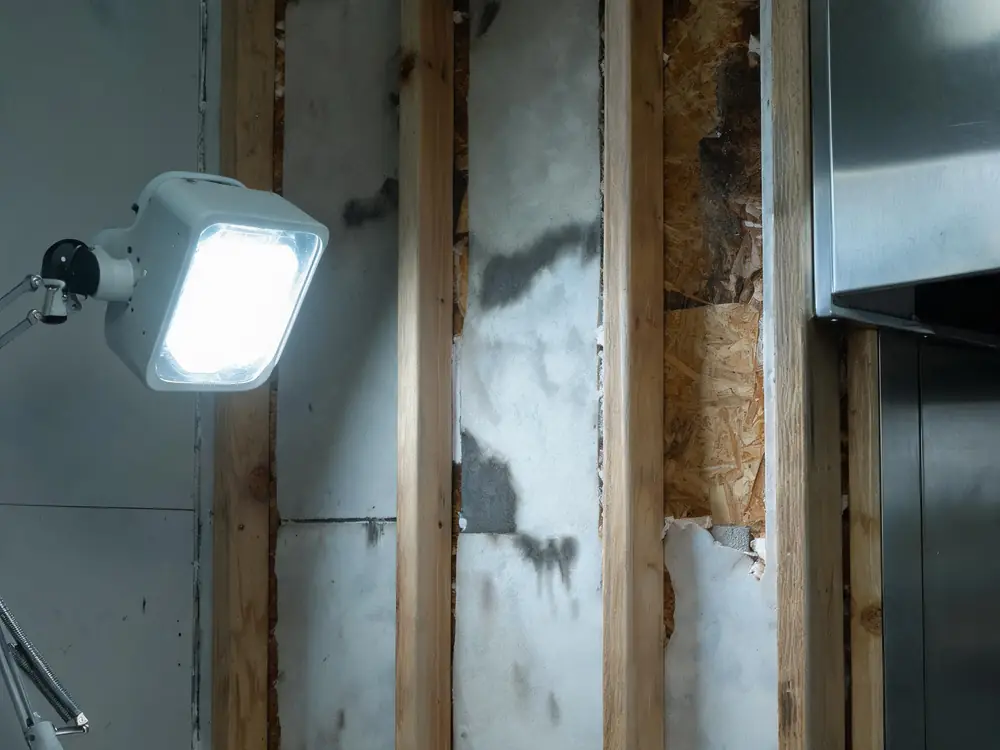
- Stained ceiling tiles, especially under flat roofs or near rooftop units.
- Peeling paint, bubbling plaster or dark spotting on walls near exterior corners.
- Condensation on windows, ductwork or cold water pipes in summer.
- A recent roof leak, burst pipe, sprinkler discharge or basement flood.
- Visible growth in a vacant unit that was closed up without heat or air.
- A home inspection or lender report that flags "suspected microbial growth."
The EPA notes that mold can begin to grow on wet materials within 24 to 48 hours. In a multi-unit building, a leak in one unit can wet the ceiling or wall of the next, so check neighboring spaces after any water event.
Our Commercial Mold Remediation Process
Every building is different, but our process stays consistent so owners know what to expect.
- Call and triage. You call (717) 420-8919 any time, day or night. We ask about the building, occupants and water source, and we tell you what to do right away, such as shutting off a supply line.
- Site assessment. We walk the affected area and nearby spaces, take moisture readings and photos, and map where the damage stops.
- Written scope and schedule. You get an itemized scope with containment areas, materials to remove, equipment, and a work schedule built around tenants, guests or business hours.
- Containment and protection. We set up barriers, negative air and floor protection. Occupied areas stay separated from the work zone.
- Removal and cleaning. Contaminated porous materials are removed and bagged inside containment. Salvageable surfaces are HEPA vacuumed, cleaned and treated.
- Drying. We dry framing and substrates to normal moisture content before anything is closed up.
- Clearance. We recommend an independent clearance inspection and testing before containment comes down.
- Close-out package. You receive photos, readings and the clearance report for your files, your insurer, a buyer or a tenant.
Remediation Options Compared
The right approach depends on the size of the problem and who is using the building. This table compares common options.
| Option | Best for | Occupancy impact | Notes |
|---|---|---|---|
| Spot cleaning (under 10 sq ft) | Small surface growth on hard materials | Minimal, often one visit | EPA says areas under about 10 sq ft can often be handled as a small job if the moisture is fixed |
| Contained removal of one room or unit | A leak that wet drywall, carpet or ceiling tile | That room or unit is closed for a few days | Most common rental and hotel scenario |
| Phased remediation | Larger buildings that must stay open | One zone at a time | Takes longer overall but keeps revenue flowing |
| Full-building remediation | Flooding or long-term hidden leaks | Building or floor closed | Needs detailed planning, often with insurance involved |
| Gentle conservation-style cleaning | Historic plaster, trim and old-growth lumber | Varies | Saves original material where it can be safely cleaned |
What Affects Commercial Remediation Pricing
We do not quote a price until we see the building, because the numbers depend on details we can only measure on site. The main factors are:
- Affected area: square footage of wet or moldy materials, including hidden areas inside walls and ceilings.
- Containment needs: occupied buildings need more barriers and negative air than a vacant unit.
- Access: crawl spaces, attics, high ceilings and tight mechanical rooms take more labor.
- Scheduling: after-hours or phased work to keep a business open can add time.
- Materials: historic plaster and trim may call for slower hand cleaning instead of removal.
- Testing and documentation: independent pre-testing and clearance testing are separate costs.
For typical ranges, see our guide to mold remediation cost in Gettysburg. As a reference, small areas under 10 sq ft typically run $500 to $1,500, basements and crawl spaces $1,500 to $6,000, and whole homes $10,000 to $30,000 or more. Commercial jobs vary widely, and your final price comes after an inspection. If the mold followed a sudden water event, our page on water damage and mold restoration explains how drying and mold work fit together.
Commercial Mold Remediation in the Gettysburg Context
Gettysburg's building stock creates specific mold risks. Much of downtown sits in the Gettysburg Historic District, with 1800s brick and frame buildings on stone or fieldstone foundations. Many of these now hold shops, restaurants and apartments on the same lot, so a basement leak under a Baltimore Street storefront can affect the apartment above. The Gettysburg Historic Architectural Review Board (HARB) reviews exterior changes in the district, so we keep our work inside the building and recommend owners check with the borough before any exterior drainage or window changes.
The climate adds pressure. Gettysburg gets about 43 inches of precipitation a year, and summers are humid in July and August. Remnants of tropical storms, like Agnes in 1972, Ivan in 2004 and Lee in 2011, have caused major flooding in the region. Winters bring freeze-thaw cycles that burst pipes in unheated spaces, which is a real risk in vacant rentals and seasonal businesses. The tourist season around Gettysburg National Military Park also means hotels and restaurants run at full capacity when humidity is highest.
For regional climate data, the National Weather Service in State College publishes local records and outlooks.
Why Gettysburg Property Owners Call Us for Commercial Mold Remediation
Scheduling Built Around Your Occupants
We know a closed guest room costs money and a displaced tenant costs goodwill. Before we start, we build a work plan around your check-ins, class schedules, service hours or closing date. We can phase work zone by zone, start early, or work after hours when that keeps your business open. We answer the phone 24 hours a day, so a burst pipe on a Saturday night during a busy weekend gets a real response instead of a voicemail.
Paperwork That Stands Up
Owners of rentals and commercial buildings often need to show their work to tenants, insurers, lenders or buyers. We document every job with dated photos, moisture readings, a written scope and the clearance results. We recommend independent clearance testing so the pass or fail result does not come from the company that did the cleanup. You get an organized close-out package you can hand to anyone who asks what was done and when.
Respect for Older Buildings
Downtown Gettysburg is full of plaster, heart pine, brick and fieldstone that cannot be replaced from a big-box store. We remove what must go, but we clean and save original materials where it is safe to do so. We follow the IICRC S520 standard and EPA commercial guidance, use HEPA filtration and containment, and fix the moisture source so the building stays dry after we leave. The goal is a clean building that still looks like itself.
Get a Documented Plan for Your Property
Whether it is one apartment, a guest wing or a whole building, the first step is the same: find the moisture and measure the damage. Call (717) 420-8919 any time, day or night, or use the form on this page. We will talk through the problem, tell you what to do right now, and set up an assessment that fits your schedule.
Before and after
Commercial, Rental and Real Estate Mold Remediation in Gettysburg: Before and After
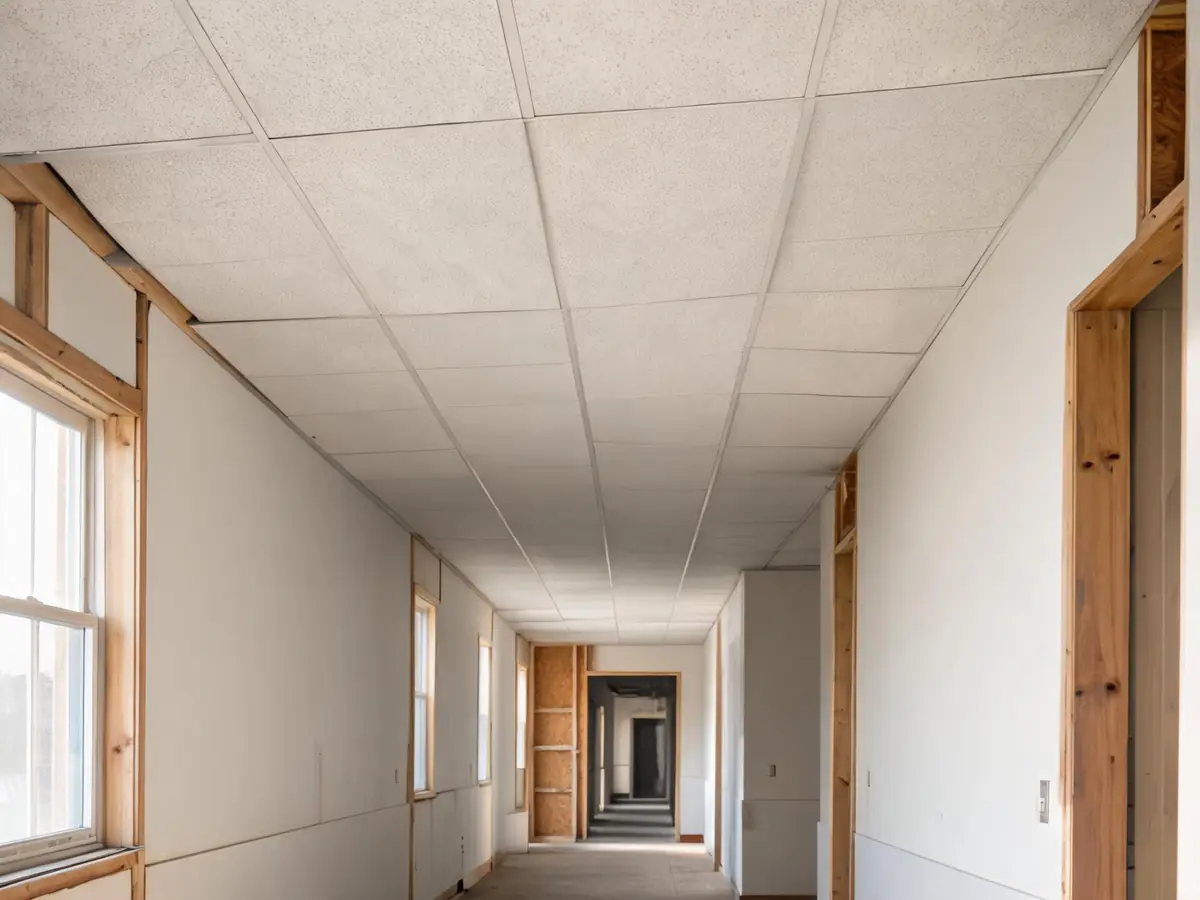
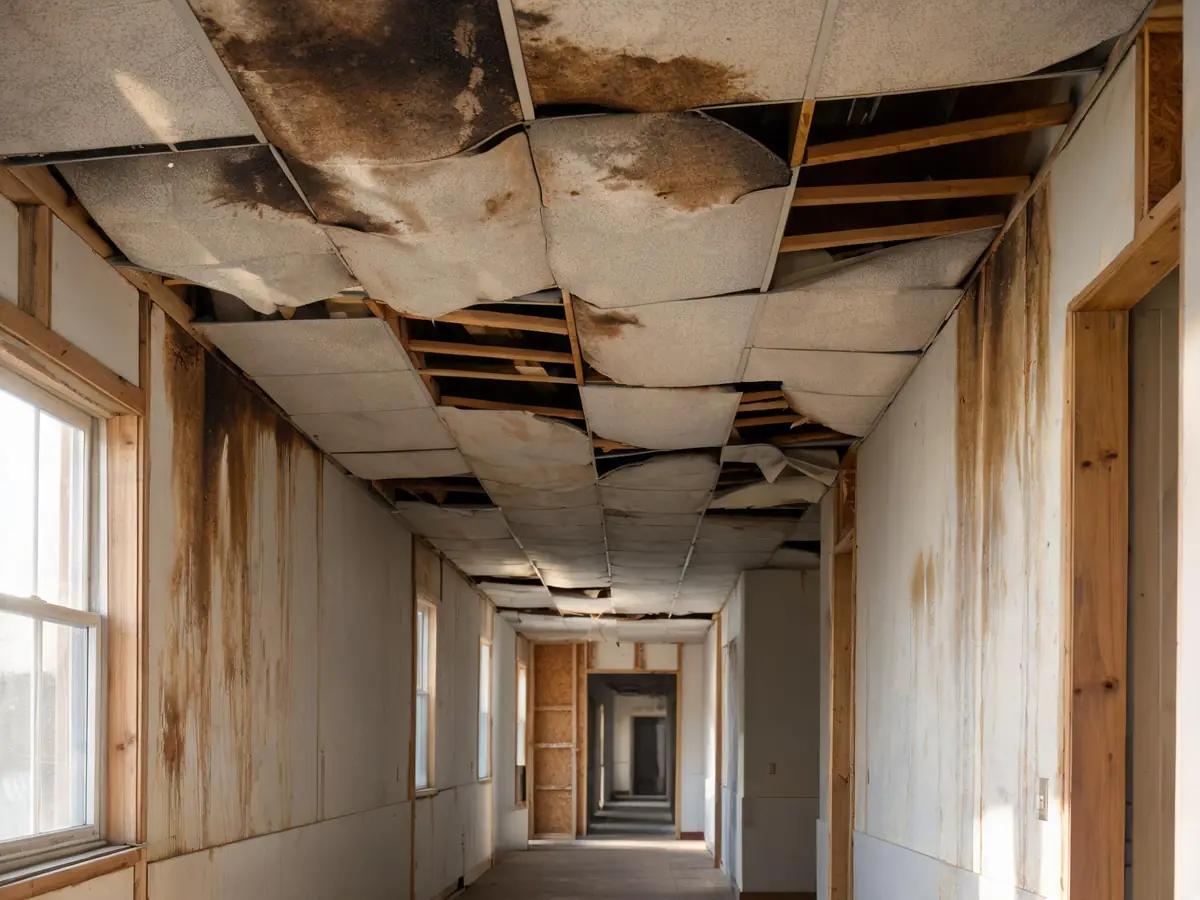 BeforeAfter
Drag the handle to compare. Every property is different — we scope yours on site.
Commercial, Rental and Real Estate Mold Remediation FAQs
Do you handle mold in occupied rental units?
Yes. We set up containment and negative air so the work area is sealed from the rest of the unit and the building. For small jobs, tenants can often stay. For larger jobs, we give the owner a clear estimate of how many days the room or unit needs to stay closed. More on mold in student rentals.
Is a landlord in Pennsylvania required to remove mold?
Pennsylvania has no mold-specific statute, but the implied warranty of habitability applies to residential rentals, and serious moisture and mold problems can affect habitability. This is general information only, so consult an attorney about your specific lease and situation. See Pennsylvania mold law for landlords and tenants.
Can you work after hours at a restaurant or hotel?
Yes. We can schedule early morning, overnight or phased work so guest rooms and dining areas stay open. We plan the order of work around your busiest days and keep the work zone sealed from guests. More on remediation in hotels and B&Bs.
Do I need testing before commercial mold remediation?
Testing is not always needed when mold is visible, but it helps define the scope in larger buildings and gives you a baseline. We recommend independent clearance testing after the work so you have third-party proof the area is clean. More on mold in commercial buildings.
Can you help me sell a house that had mold?
We can remove the mold, correct the moisture source and give you documentation plus a clearance report. Pennsylvania sellers must disclose known material defects, so talk with your real estate agent or an attorney about how to disclose the past problem and the repair. See selling a house with mold in Pennsylvania.
How much does commercial mold remediation cost in Gettysburg?
It depends on square footage, containment, access and scheduling. For reference, small areas typically run $500 to $1,500 and basements or crawl spaces $1,500 to $6,000, while larger commercial jobs can cost much more. We give a written estimate after an on-site inspection. More on what drives commercial remediation scope.
Other Mold Services in Gettysburg
If you smell something musty, see a stain you can't explain, or are about to buy an older house, a professional mold inspection in Gettysburg, PA tells you what is growing, where the moisture is coming from, and what it will take to fix it. We look at your home the way a moisture detective would, then use air or surface testing only when it answers a real question. You get clear findings in plain language, not a scary lab printout.
Mold Inspection and Testing
Black mold removal in Gettysburg, PA starts with finding the water that feeds the mold, then sealing off the area so spores stay put while we remove what's growing. If you've found dark, slimy patches on drywall, wood, or ceiling tiles, you don't need to panic, but you shouldn't wait either. We're open 24 hours at (717) 420-8919, and we'll tell you plainly what you're dealing with and what it will take to fix.
Black Mold Removal
Basement mold remediation in Gettysburg, PA starts with one fact: most homes here sit on old stone, damp clay soil and a water table that rises every spring, so the space below your floor is the most likely place in the house for mold to grow. We remove mold from basements and crawl spaces, fix the moisture that fed it, and set the space up to stay dry through humid Adams County summers. We're open 24 hours at (717) 420-8919.
Basement & Crawl Space Mold Remediation
Attic mold remediation in Gettysburg, PA starts with one question: where is the moisture coming from? We remove mold from roof sheathing, rafters and trusses, fix the ventilation or venting problem that fed it, and treat the wood so the attic stays dry and clean. We're open 24 hours at (717) 420-8919.
Attic Mold Remediation
Water damage mold restoration in Gettysburg, PA starts the moment water gets where it should not be, because the clock on mold growth is already running. We dry the structure, find hidden moisture, remove anything that has started to grow mold, and put your home back on a path to normal. We are open 24 hours at (717) 420-8919 for leaks, floods and burst pipes.
Water Damage & Mold Restoration
Air duct mold removal in Gettysburg, PA works best when the whole HVAC system is treated as one unit: the ductwork, the evaporator coil, the drain pan, the blower and the air handler cabinet. We clean each part, fix the moisture that let mold grow and verify the results, and we're open 24 hours at (717) 420-8919.
HVAC and Air Duct Mold Remediation
Mold remediation cost in Gettysburg, PA typically runs $500 to $1,500 for a small area under 10 square feet, $1,500 to $6,000 for a basement or crawl space, and $10,000 to $30,000 or more for a whole home. This page breaks down what those numbers include, what pushes a job up or down, how homeowners insurance treats mold, and how to read an estimate so you only pay for work you need.
Mold Remediation Cost
Our mold remediation process follows the IICRC S520 standard step by step, from the first inspection to independent clearance testing and rebuild, so mold in your Gettysburg home is removed at the source and the moisture that fed it is fixed. Here is what happens on a job, what it costs, and how to keep mold away.
Our Mold Remediation Process
Need Commercial, Rental and Real Estate Mold Remediation in Gettysburg?
We answer 24 hours a day. Free, no-obligation estimate after an on-site look.