
HVAC and Air Duct Mold Remediation in Gettysburg, PA
Air duct mold removal in Gettysburg, PA works best when the whole HVAC system is treated as one unit: the ductwork, the evaporator coil, the drain pan, the blower and the air handler cabinet. We clean each part, fix the moisture that let mold grow and verify the results, and we're open 24 hours at (717) 420-8919.
Open 24 hours · Free, no-obligation estimate
Get a Free Mold Estimate
Answered 24/7. No obligation.
Your heating and cooling system moves every cubic foot of air in your home several times an hour. When mold grows inside it, the system can spread spores and musty odors to every room it serves. A fast "duct cleaning special" won't fix that. HVAC and air duct mold remediation is its own discipline, and it's one of the core services of our Gettysburg mold remediation company.
What Our HVAC and Air Duct Mold Remediation Includes
Mold in an HVAC system almost never starts in the ducts. It usually begins where water is: at the cold evaporator coil, the condensate drain pan or a sweating duct run in a humid basement or attic. A complete job covers all of these:
- System inspection: visual and camera inspection of supply and return ducts, the air handler, blower, coil and drain pan.
- Containment: sealing registers and isolating the system so spores aren't blown through the house during cleaning.
- Source removal duct cleaning: negative-pressure HEPA vacuum collection with agitation tools, following the source removal approach used in NADCA's ACR standard.
- Coil and drain pan cleaning: cleaning the evaporator coil, clearing and treating the drain pan and condensate line.
- Blower and cabinet cleaning: removing growth and debris from the blower wheel and the inside of the air handler.
- Treatment: EPA-registered products approved for use in HVAC systems, applied only where appropriate.
- Replacement when needed: fiberglass duct board or flex duct with mold growth usually can't be cleaned and gets replaced.
- Moisture correction: insulating sweating ducts, fixing drain lines and addressing high humidity.
- Verification: a final visual check and, when you want documentation, independent air testing.
We follow NADCA guidance for HVAC cleaning and the IICRC S520 standard for mold remediation. For work on the refrigerant side or equipment repairs, we coordinate with your HVAC contractor.
Signs You Need Air Duct Mold Removal
Duct and HVAC mold is usually noticed by smell before it's seen. Common signs include:
- A musty or "dirty sock" smell when the AC or heat first kicks on
- Dark spots or fuzzy growth on supply registers, return grilles or the ceiling around vents
- Visible growth on the coil, drain pan or inside the air handler cabinet
- Standing water in the drain pan or a slow, clogged condensate line
- Sweating or dripping ducts in the basement, crawl space or attic
- Allergy-like symptoms that feel worse when the system runs
- Mold that keeps coming back in several rooms at once
Our full list of signs of mold in air ducts explains each one. If you're unsure, start with mold inspection and testing to confirm what's growing and where. The CDC notes that mold can cause stuffy nose, wheezing and eye or skin irritation in sensitive people, so talk to your doctor about any health concerns.
Our HVAC Mold Remediation Process
- Inspection. We open the air handler, inspect the coil, pan, blower and plenums, and run a camera through representative duct runs.
- Find the moisture source. A clogged drain line, an oversized AC that short-cycles, uninsulated ducts in a damp basement, or a leak near the system.
- Written scope. You get an itemized plan that separates cleaning, replacement and moisture fixes.
- Shut down and contain. The system is turned off, registers are sealed and the work area is set up with HEPA filtration.
- Negative air on the ducts. A HEPA-filtered negative air machine is connected to the duct system so dislodged debris is pulled out, not pushed into rooms.
- Agitate and collect. Brushes, air whips and HEPA vacuums clean each duct section from the registers back to the main trunk.
- Clean components. The coil, drain pan, blower wheel and cabinet are cleaned and treated as needed.
- Replace what can't be cleaned. Moldy duct board, flex duct and wet insulation are removed and replaced.
- Fix the cause and restart. Drain lines are cleared, ducts are insulated or sealed, and a new filter is installed.
- Verify. Final inspection, and independent clearance testing when you want documentation.
Most residential systems take one day. Larger homes, multiple systems or duct replacement can take two or three.
Cleaning Options Compared
| Approach | What it does | Good for | Limits |
|---|---|---|---|
| Basic "duct cleaning special" | Vacuum at registers, sometimes a fogger | Light dust only | Does not clean coils, pans or blowers; often no negative air; doesn't remove mold |
| Source removal duct cleaning | Negative air plus mechanical agitation of every duct run | Dust, debris and surface growth in metal ducts | Must be paired with coil and pan cleaning to address mold |
| Full HVAC mold remediation | Ducts, coil, pan, blower, cabinet, treatment and moisture fix | Confirmed mold in the system | Higher cost; the right approach for real mold growth |
| Duct replacement | Removes and replaces contaminated sections | Flex duct and fiberglass duct board with growth | Most expensive per run; access can be difficult |
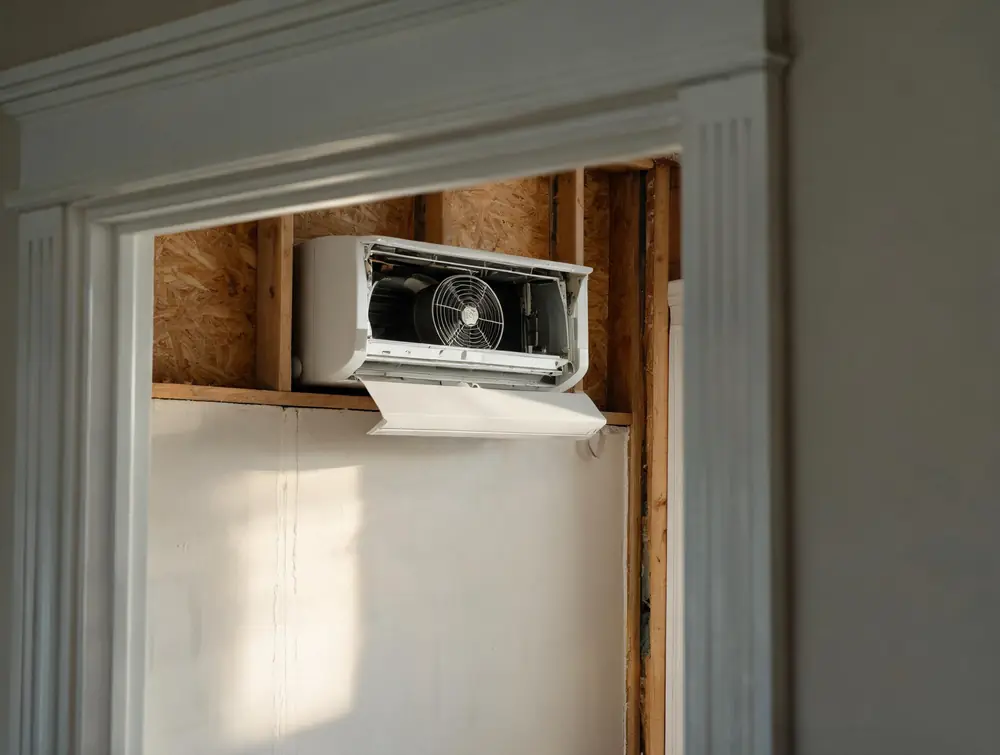
Ductless systems are a special case. Blower wheels in wall units grow mold quickly, and they need a different cleaning process. Read about mold in mini-splits and window ACs if you have them.
Where HVAC Mold Starts: The Coil and Drain Pan
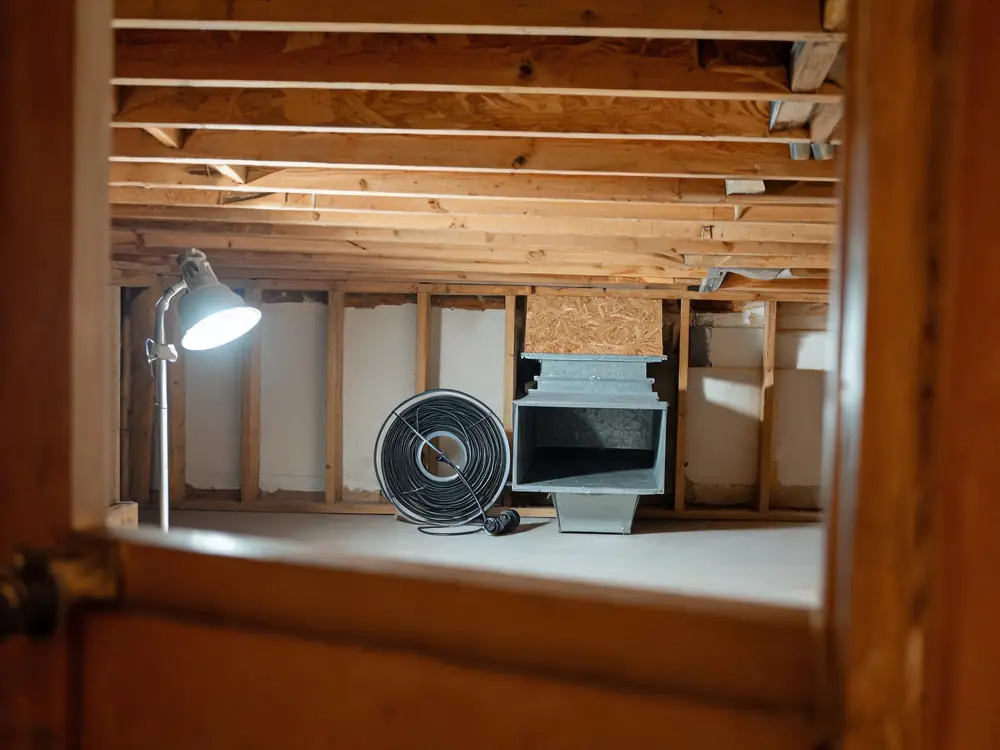
Your AC removes humidity by cooling air across the evaporator coil. Water condenses on the coil, drips into the drain pan and flows out the condensate line. That's a lot of water every summer day. If the pan is rusted, tilted or clogged, or if the drain line backs up, water sits in the dark cabinet, and dust on the coil gives mold something to eat. That's why cleaning mold on the AC coil and drain pan is part of every HVAC job we do.
Can Mold in Ducts Spread Through the House?
Yes. Once mold is established in the system, the blower can carry spores and odors into every room. The system can also pick up spores from a moldy basement, attic or crawl space through leaky return ducts. That's why we seal registers and use negative air during any remediation in a home with forced air. Our article can mold spread through HVAC covers how this happens and how to prevent it.
During and after remediation, we use HEPA air scrubbers to capture airborne spores. Learn how they work in our guide to HEPA air scrubbers for mold.
What Affects the Cost
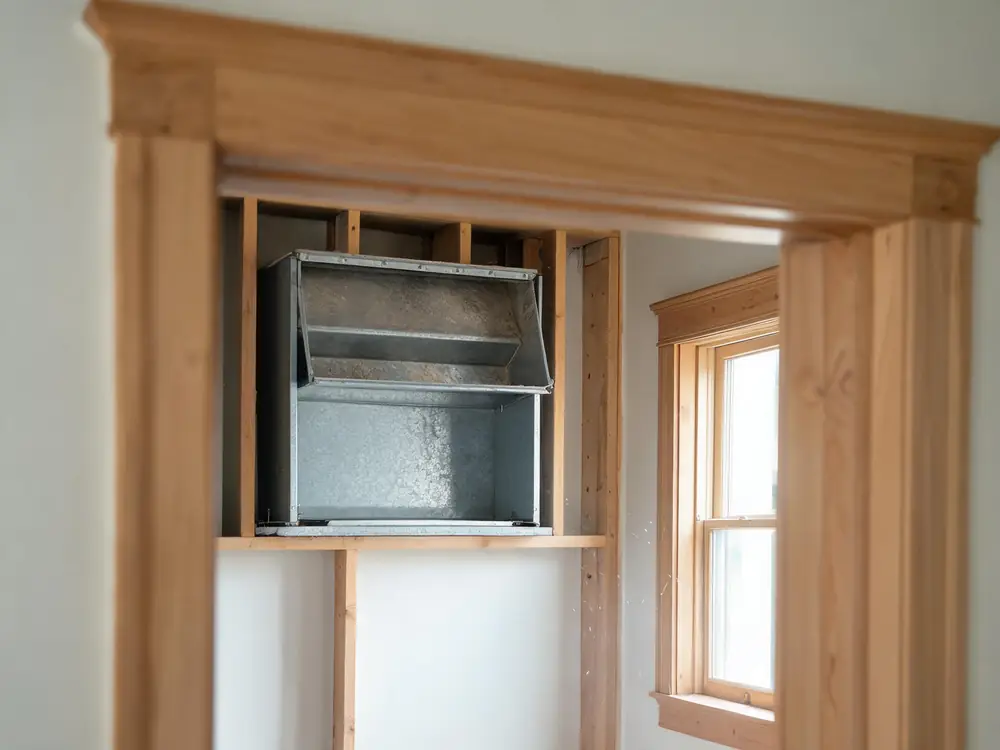
Pricing depends on the number of systems, the length and type of ductwork, whether ducts need replacement, the condition of the coil and blower, and access. A basement air handler with metal ducts is simpler than an attic air handler with flex duct. Read our full guide to air duct mold cleaning cost for typical ranges, and remember that final pricing always follows an inspection.
HVAC Mold in Gettysburg Homes
Gettysburg's humid July and August weather puts a heavy load on air conditioners, and condensate systems run hard all summer. Many older homes near downtown and in the historic district added central air decades after they were built, which often meant running ducts through attics and crawl spaces that get very hot or damp. Attic ducts can sweat in summer. Basement ducts and air handlers sit in spaces with stone or fieldstone foundations that wick moisture, and late-summer storm remnants can raise basement humidity further.
When the air handler lives in the attic, attic mold and HVAC mold often go together. If that's your situation, pair this service with our attic mold remediation so the space around the system is clean too. The EPA recommends keeping indoor humidity below 60 percent, ideally 30 to 50 percent, and a properly sized, well-drained AC is a big part of that.
Why Gettysburg Homeowners Call Us for HVAC and Air Duct Mold Remediation
We Clean the Whole System, Not Just the Vents
Mold in ducts almost always traces back to the coil, drain pan or a sweating duct. Vacuuming registers doesn't touch those. Our scope covers the ducts, evaporator coil, drain pan, blower wheel and air handler cabinet, plus the moisture source behind them. You get a written, itemized plan that shows what will be cleaned, what needs replacing and what needs fixing, so there are no surprises and the mold has no place left to restart.
Negative Air and HEPA Filtration on Every Job
Cleaning moldy ducts without negative pressure can blow spores into every room. We seal registers, connect a HEPA-filtered negative air machine to the duct system and run HEPA air scrubbers in work areas. This follows NADCA's source removal approach and the IICRC S520 standard. It keeps the cleanup contained to the system and protects the rest of your house while we work, room by room.
Local, Open 24 Hours, With Honest Recommendations
We're based at 15-23 Baltimore St in downtown Gettysburg and we answer the phone 24 hours a day. If your system only needs a coil and pan cleaning, we'll say so. If flex duct should be replaced rather than cleaned, we'll explain why. We recommend independent clearance testing when you want proof the job worked, and we coordinate with your HVAC contractor for any mechanical repairs.
Schedule HVAC and Air Duct Mold Remediation
If your AC smells musty, you see growth at your vents or your drain pan keeps filling with water, don't keep running a system that may be spreading spores. Call us at (717) 420-8919, any time of day or night, or use the form on this page. We'll inspect the whole system, show you what we find and give you a written plan to clean it and keep it dry.
Before and after
HVAC and Air Duct Mold Remediation in Gettysburg: Before and After
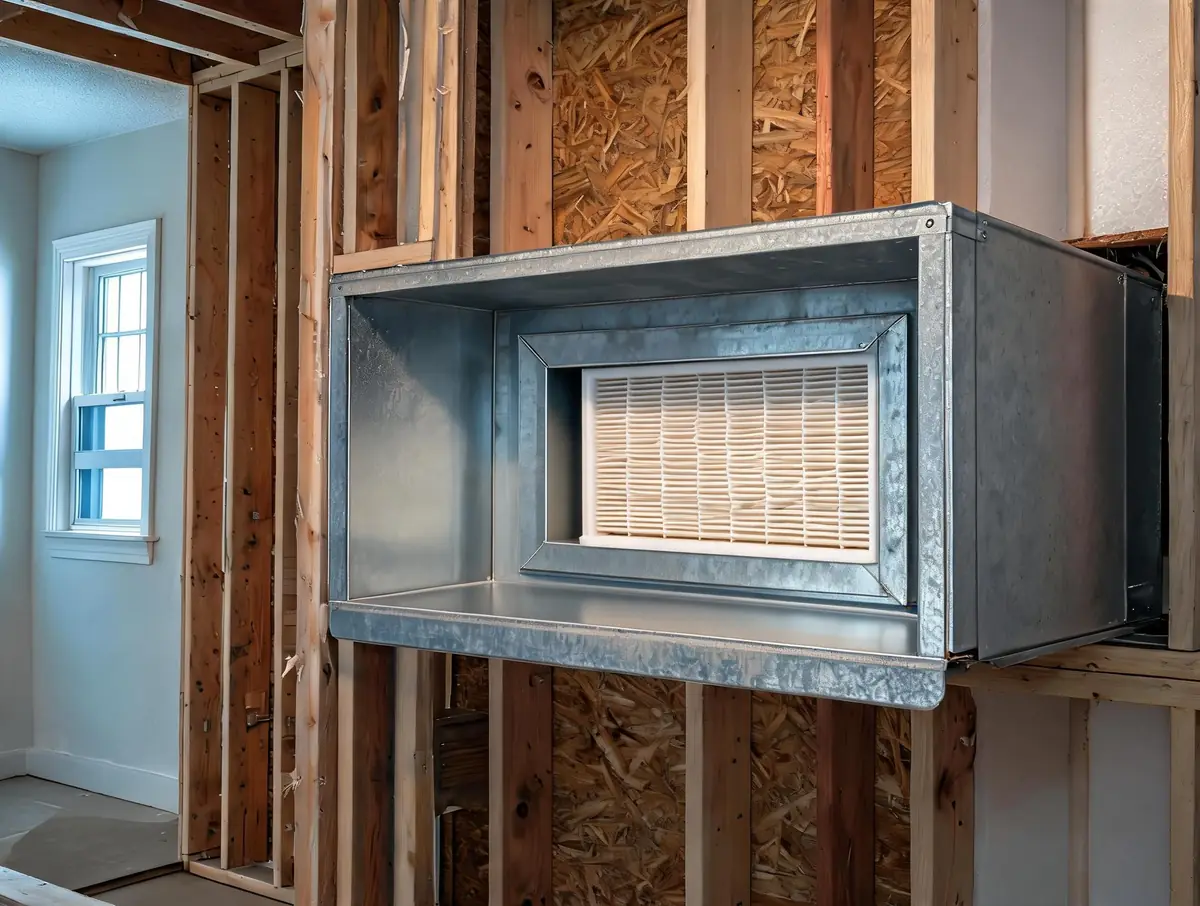
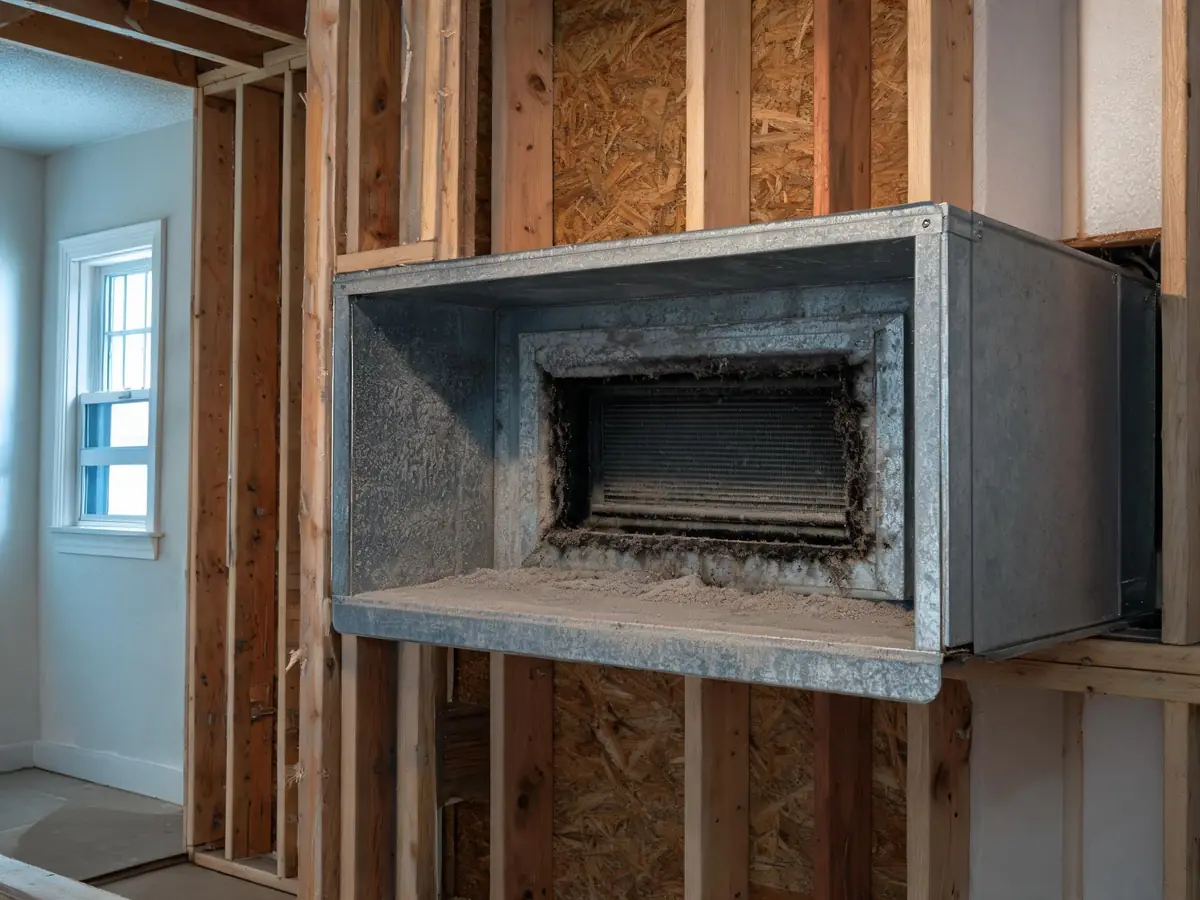 BeforeAfter
Drag the handle to compare. Every property is different — we scope yours on site.
HVAC and Air Duct Mold Remediation FAQs
Can mold in air ducts be cleaned, or do ducts need replacing?
Sheet metal ducts can usually be cleaned with source removal methods. Fiberglass duct board, lined ducts and flex duct with mold growth usually can't be cleaned reliably and are replaced. We'll tell you which type you have after inspection. More on the signs of mold in air ducts.
Is it safe to run my AC if there is mold in it?
Running a system with active mold can spread spores and odors through the house. If you suspect mold, limit use when you can and get it inspected. Anyone with health concerns should talk to a doctor. See how mold spreads through an HVAC system.
Will regular duct cleaning remove mold?
Not usually. Low-cost duct cleaning specials often vacuum only at the registers and skip the coil, drain pan and blower where mold typically starts. Mold remediation includes those components and fixes the moisture source. More on what air duct mold cleaning involves.
How long does HVAC mold remediation take?
Most single-system homes take about one day. Multiple systems, long duct runs or duct replacement can take two to three days. You'll get a timeline with the estimate. See how long remediation takes.
Do you use foggers or sprays in the ducts?
Physical removal comes first. We only apply EPA-registered products labeled for HVAC use, and only where they make sense after cleaning. Fogging alone does not remove mold. More on why fogging does not fix mold.
Other Mold Services in Gettysburg
If you smell something musty, see a stain you can't explain, or are about to buy an older house, a professional mold inspection in Gettysburg, PA tells you what is growing, where the moisture is coming from, and what it will take to fix it. We look at your home the way a moisture detective would, then use air or surface testing only when it answers a real question. You get clear findings in plain language, not a scary lab printout.
Mold Inspection and Testing
Black mold removal in Gettysburg, PA starts with finding the water that feeds the mold, then sealing off the area so spores stay put while we remove what's growing. If you've found dark, slimy patches on drywall, wood, or ceiling tiles, you don't need to panic, but you shouldn't wait either. We're open 24 hours at (717) 420-8919, and we'll tell you plainly what you're dealing with and what it will take to fix.
Black Mold Removal
Basement mold remediation in Gettysburg, PA starts with one fact: most homes here sit on old stone, damp clay soil and a water table that rises every spring, so the space below your floor is the most likely place in the house for mold to grow. We remove mold from basements and crawl spaces, fix the moisture that fed it, and set the space up to stay dry through humid Adams County summers. We're open 24 hours at (717) 420-8919.
Basement & Crawl Space Mold Remediation
Attic mold remediation in Gettysburg, PA starts with one question: where is the moisture coming from? We remove mold from roof sheathing, rafters and trusses, fix the ventilation or venting problem that fed it, and treat the wood so the attic stays dry and clean. We're open 24 hours at (717) 420-8919.
Attic Mold Remediation
Water damage mold restoration in Gettysburg, PA starts the moment water gets where it should not be, because the clock on mold growth is already running. We dry the structure, find hidden moisture, remove anything that has started to grow mold, and put your home back on a path to normal. We are open 24 hours at (717) 420-8919 for leaks, floods and burst pipes.
Water Damage & Mold Restoration
Commercial mold remediation in Gettysburg, PA has to fit around tenants, guests, closing dates and business hours, and that is how we plan every job. We work with landlords, property managers, business owners, home sellers and caretakers of historic buildings in Gettysburg, the Adams County seat, and we are open 24 hours when a leak or a failed inspection cannot wait.
Commercial, Rental and Real Estate Mold Remediation
Mold remediation cost in Gettysburg, PA typically runs $500 to $1,500 for a small area under 10 square feet, $1,500 to $6,000 for a basement or crawl space, and $10,000 to $30,000 or more for a whole home. This page breaks down what those numbers include, what pushes a job up or down, how homeowners insurance treats mold, and how to read an estimate so you only pay for work you need.
Mold Remediation Cost
Our mold remediation process follows the IICRC S520 standard step by step, from the first inspection to independent clearance testing and rebuild, so mold in your Gettysburg home is removed at the source and the moisture that fed it is fixed. Here is what happens on a job, what it costs, and how to keep mold away.
Our Mold Remediation Process
Need HVAC and Air Duct Mold Remediation in Gettysburg?
We answer 24 hours a day. Free, no-obligation estimate after an on-site look.