
Mold guide
Mold on the AC Evaporator Coil and Drain Pan
Mold on an AC evaporator coil is one of the most common HVAC mold problems, because the coil is cold and wet every time the air conditioner runs. The drain pan under it collects that water, and when it clogs or holds water, mold and slime follow. In humid Gettysburg summers, this is often where musty AC smells begin.

By Curtis Bowman, Water and HVAC Restoration Lead
Published
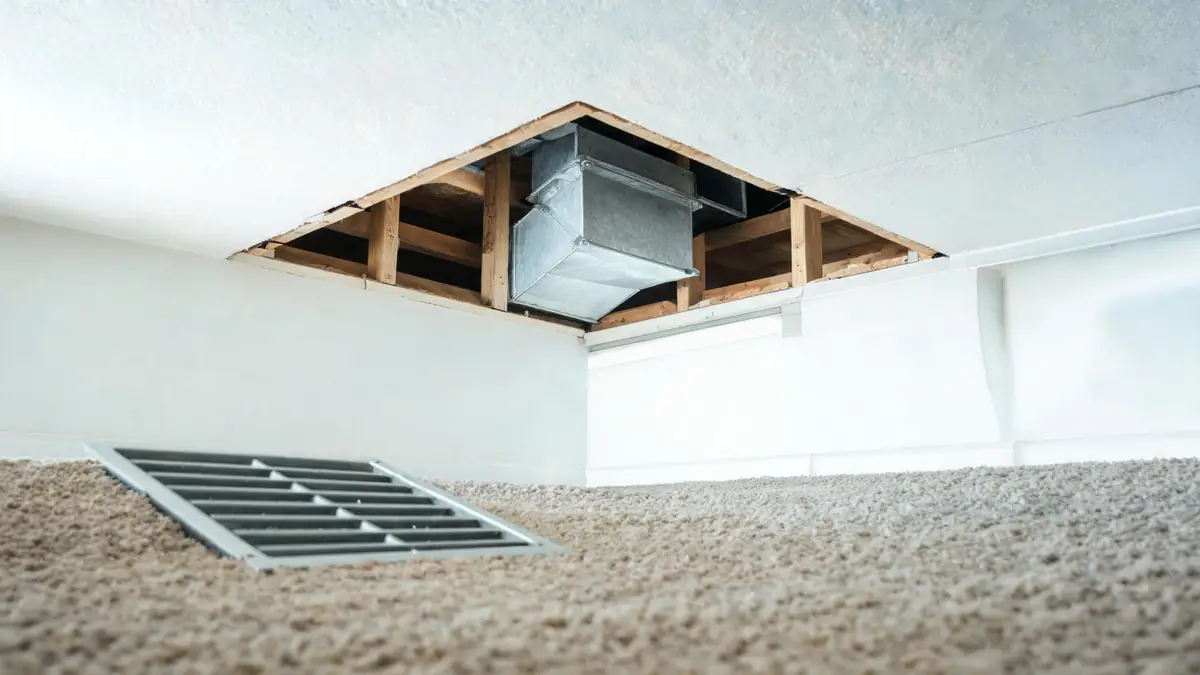
How the Coil and Drain Pan Work
Your air conditioner cools and dehumidifies by passing warm indoor air over the evaporator coil, a set of refrigerant-filled tubes and thin metal fins inside the air handler or furnace cabinet. As air cools, water condenses on the fins, drips into the drain pan below and flows out through the condensate line to a floor drain, a pump or outdoors. On a humid July day, a typical home system can remove many gallons of water.
When it is past the point of a bucket and a fan, mold remediation in Gettysburg, PA can scope the job.
Why Mold Grows There
- Constant moisture: the coil is wet for hours whenever the AC runs.
- Food source: dust and debris that get past the filter stick to wet fins.
- Standing water: a clogged condensate line, a rusted or cracked pan, or a unit that isn't level leaves water sitting in the pan.
- Darkness: the inside of the cabinet is sealed and dark.
- Short cycling: oversized systems cool quickly but don't run long enough to dry out properly, keeping the coil damp.
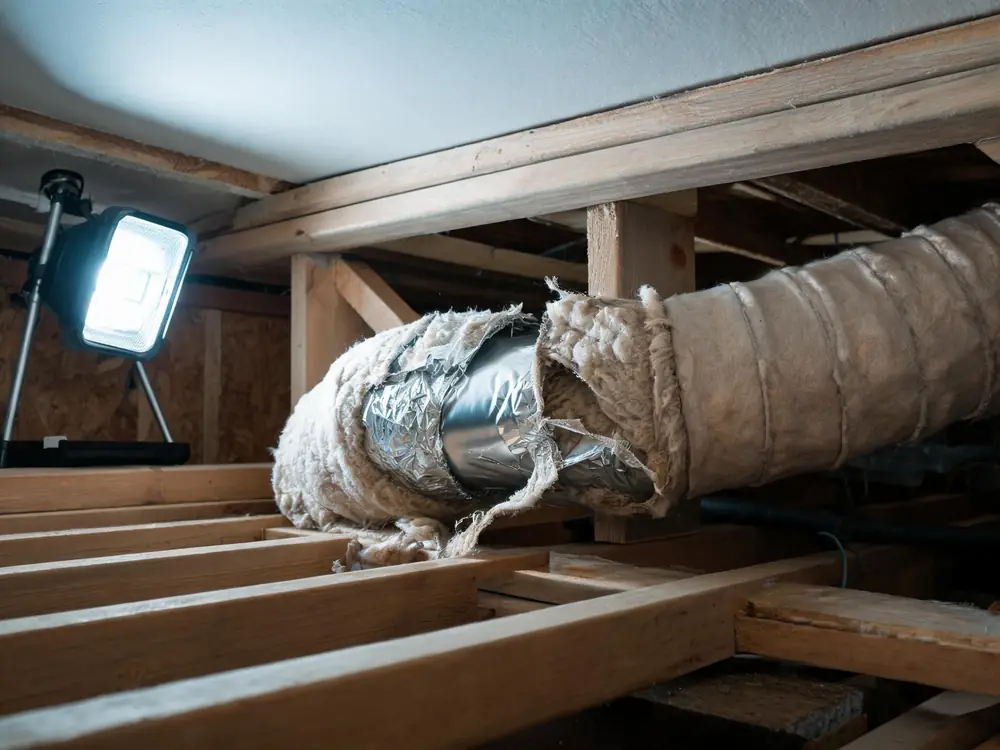
Signs of Mold on the Coil or in the Pan
- A musty or "dirty sock" smell in the first minutes after the AC starts
- Visible black, green or gray growth on the coil face or pan when the access panel is opened
- Slime or sludge in the drain pan
- Water around the furnace or air handler, or a safety float switch shutting the AC off
- Weak airflow from vents because the coil is clogged
These often come with mold in the ducts too. See our list of signs of mold in air ducts for what to look for elsewhere in the system.
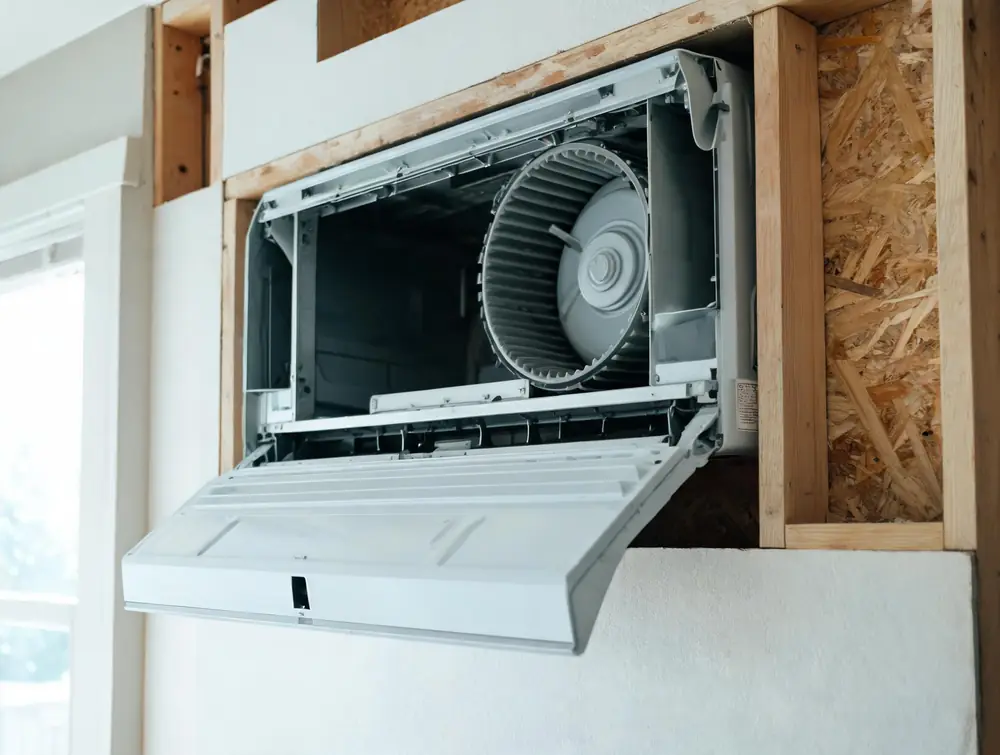
What You Can Do Yourself
- Change the air filter on schedule. A clean filter keeps dust off the coil.
- Check that the condensate line drains during AC use. If water isn't coming out, it may be clogged.
- Look at the drain pan with a flashlight if it's visible, and note any standing water or slime.
Don't spray bleach onto the coil. It can corrode the metal and doesn't remove the dust and growth packed between the fins. Coil cleaners should be products made for HVAC coils.
How Pros Clean the Coil and Pan
| Step | What happens |
|---|---|
| Contain | System off, area protected, HEPA air filtration running |
| Access | Panels removed to reach the coil faces and pan |
| HEPA vacuum | Loose debris and growth removed from the coil face and cabinet |
| Clean coil | Coil-safe cleaner applied and rinsed at low pressure so fins aren't bent |
| Clean pan and line | Pan scrubbed and treated, condensate line flushed and cleared |
| Check blower and cabinet | Blower wheel and insulation inspected and cleaned or replaced if moldy |
| Fix the cause | Level the unit, repair or replace the pan, add a float switch, address humidity |
Moldy cabinet insulation, which is often a fibrous liner, usually can't be cleaned and is replaced. A rusted pan with holes should be replaced rather than patched.
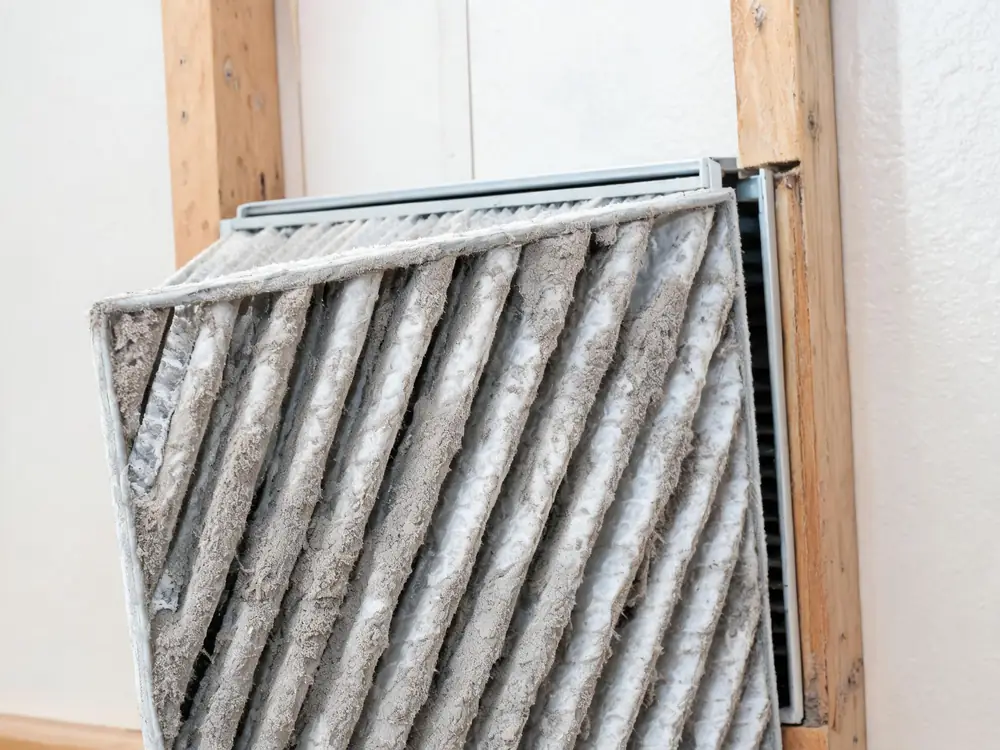
Preventing Coil and Pan Mold
- Change filters regularly during cooling season
- Schedule a yearly AC tune-up that includes checking the coil and drain
- Keep indoor humidity below 60 percent, ideally 30 to 50 percent, as the EPA recommends
- Run a dehumidifier in damp basements where many Gettysburg air handlers sit
- Consider a properly sized system when replacing equipment; oversized units remove less humidity
ENERGY STAR also recommends regular HVAC maintenance, including cleaning coils and checking the condensate drain, for efficiency.
Why It's Common in Gettysburg
Gettysburg's summers are humid, especially in July and August, so AC systems pull a lot of water from the air. Many air handlers sit in basements with stone or fieldstone foundations that add moisture, or in attics where ducts and pans get very hot. Both push condensate systems hard and give mold a head start.
When to Call a Professional
If you see growth on the coil, slime in the pan or a musty smell every time the AC starts, have the whole system checked. Our HVAC and air duct mold remediation service in Gettysburg cleans the coil, pan, blower and ducts with HEPA containment and fixes the moisture cause. Call (717) 420-8919, 24 hours a day.