
Mold guide
7 Signs of Mold in Your Air Ducts
The most common signs of mold in air ducts are a musty smell when the system turns on, dark growth around vents, and symptoms that get worse when the AC or furnace runs. In Gettysburg's humid summers, these signs tend to show up in July and August, when air conditioners are working hardest.

By Paula Reinhart, Inspection and Testing Lead
Published
1. A Musty Smell When the System Kicks On
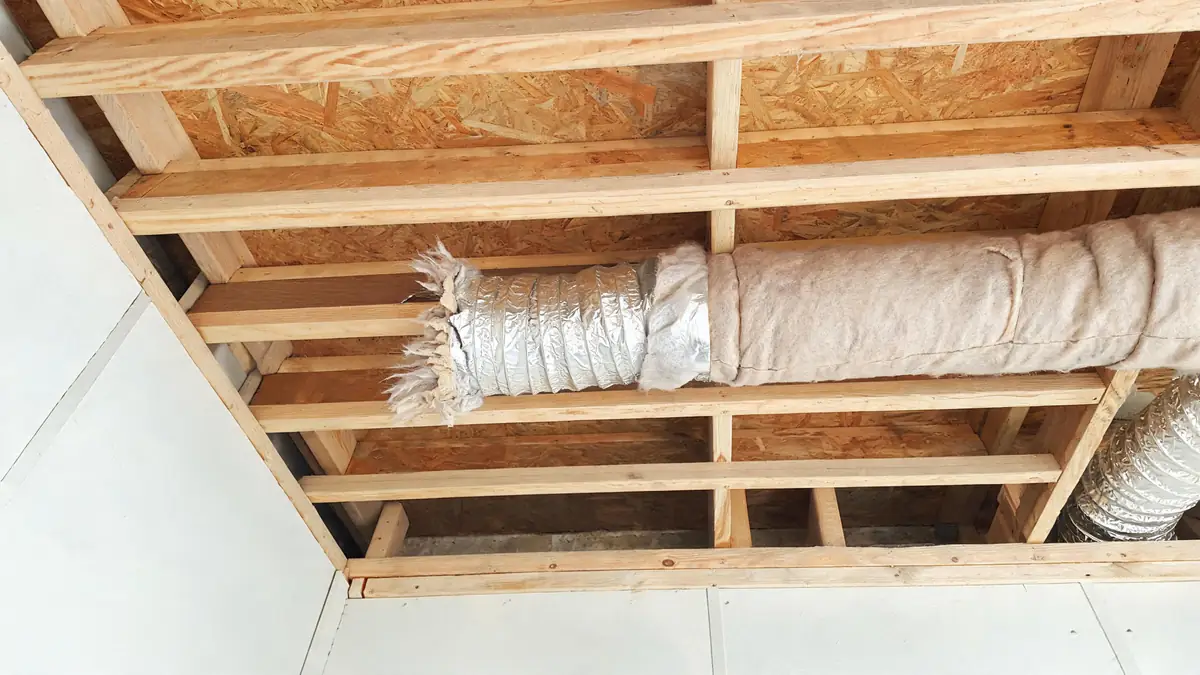
This is the number one sign. Mold gives off gases called microbial volatile organic compounds, which smell earthy, stale or like damp socks. If the odor is strongest in the first few minutes after the AC or heat starts, and fades after a while, the source is often in the air handler, coil or ducts. A smell that shows up in every room at once points to the system rather than one wet spot.
2. Visible Growth on Vents and Grilles
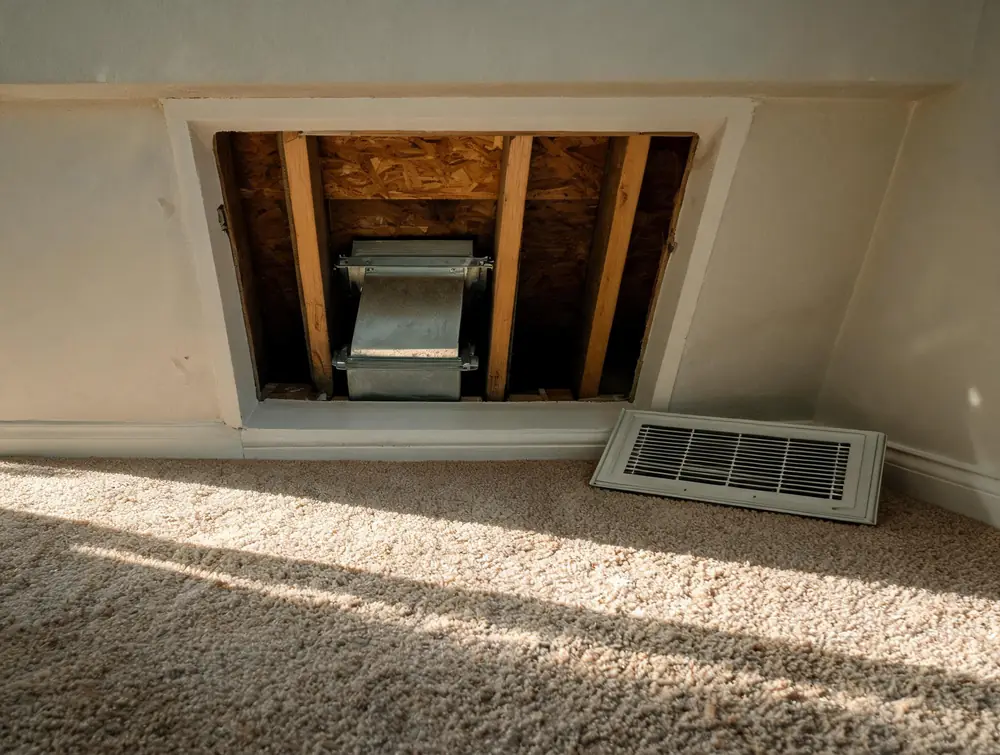
Look at supply registers and return grilles, and the ceiling or wall right around them. Black, gray, green or white spots, especially fuzzy ones, are a strong sign. Be careful, though: dark streaks around ceiling vents can also be dust or soot carried by air leaks. That "ghosting" wipes off easily and usually has no smell. Growth that comes back after wiping, or that smells musty, is more likely mold.
This is routine work for a local Gettysburg mold remediation company.
3. Water in the Drain Pan or a Slow Drain Line
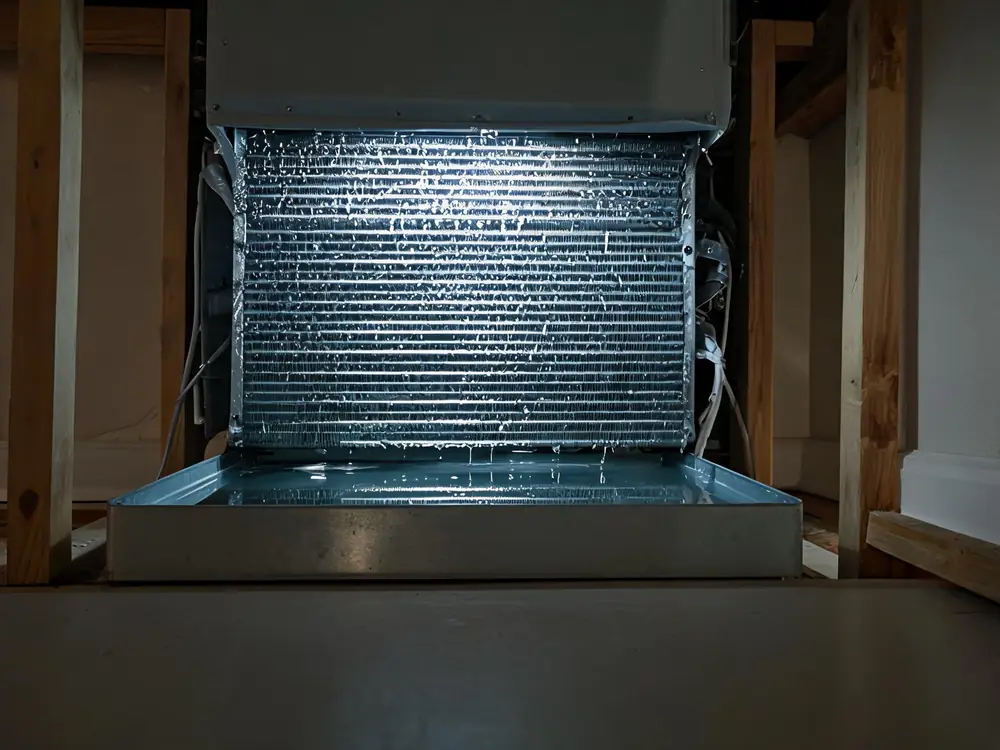
Your AC's evaporator coil pulls moisture out of the air, and that water drips into a pan and drains away. If the pan holds standing water, the condensate line is clogged or the pan is rusted and tilted, you have the perfect place for mold to grow. Check the pan with a flashlight if you can safely open the air handler access panel, or ask your HVAC tech during a tune-up.
4. Sweating or Dripping Ducts
Metal ducts carrying cold air through a humid basement, crawl space or hot attic can sweat like a cold glass of iced tea. That condensation soaks insulation, drips onto framing and grows mold on the outside and sometimes the inside of the duct. In older Gettysburg homes with stone foundations and damp basements, sweating ducts are common in midsummer.
5. Allergy-Like Symptoms That Change When the System Runs
According to the CDC, mold exposure can cause a stuffy nose, wheezing, and red or itchy eyes or skin in sensitive people, and people with asthma or mold allergies may have stronger reactions. If family members feel worse indoors, especially when the AC or heat runs, and better when they leave, mold in the system is one possible cause. See a doctor for any health concerns; symptoms alone can't confirm mold.
6. Dark Dust or Debris Blowing From Vents
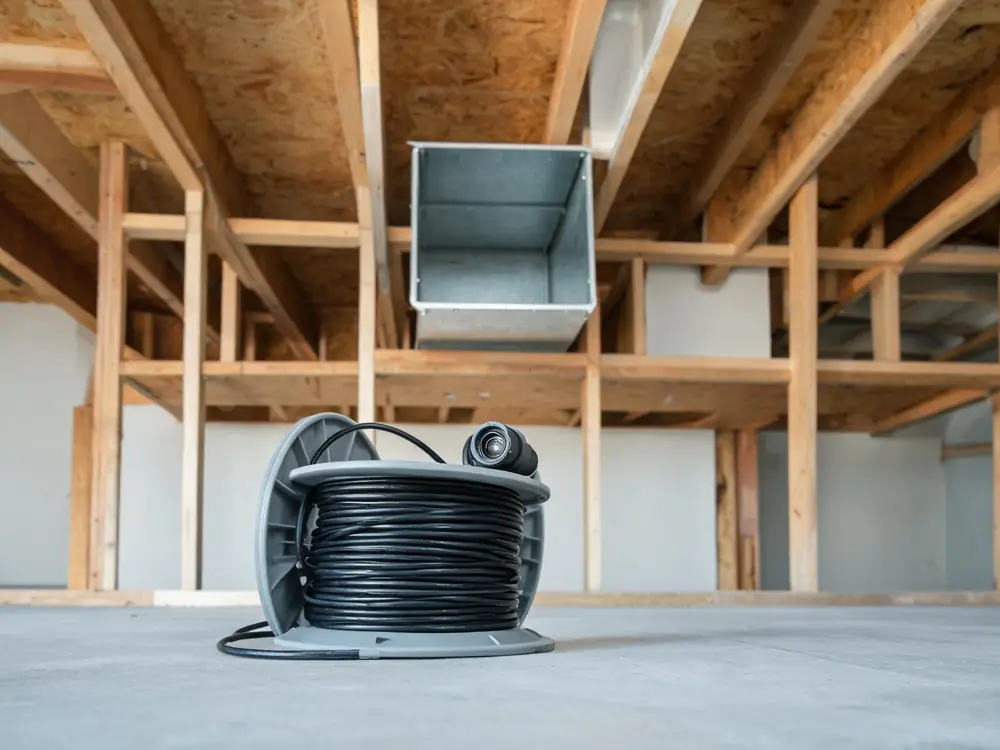
Some dust from vents is normal. Dust mixed with dark specks, or debris that smells musty, can mean mold fragments are coming from inside the ducts or the blower wheel. A dirty blower wheel packed with dust and moisture is a frequent hiding spot.
7. Mold That Keeps Coming Back in Several Rooms
If you clean mold from ceilings, vents or window areas in multiple rooms and it returns within weeks, the HVAC system may be spreading spores or adding moisture. It's also possible the house has a humidity problem the system isn't removing, such as an oversized AC that short-cycles.
Signs Compared: What They Usually Point To
| Sign | Likely source | First step |
|---|---|---|
| Musty odor at startup | Coil, drain pan, blower or ducts | Inspect air handler interior |
| Growth on registers | Condensation at the vent or duct mold | Check duct interior with a camera |
| Water in drain pan | Clogged condensate line or damaged pan | Clear line, inspect pan |
| Sweating ducts | Uninsulated ducts in humid space | Insulate ducts, lower humidity |
| Symptoms indoors | Many possible causes | See a doctor; get a mold inspection |
What You Can Check Yourself
- Change the filter and note how dirty it is and whether it smells.
- Look at registers and grilles with a flashlight.
- Check the condensate line outlet to confirm water drains during AC use.
- Use a hygrometer to check humidity. The EPA recommends keeping indoor humidity below 60 percent, ideally 30 to 50 percent.
- Look at ducts in the basement or attic for dripping, wet insulation or rust.
Avoid spraying bleach or household cleaners into ducts. It can damage components, add moisture and spread spores.
What It Costs to Fix
Costs depend on whether the problem is limited to the coil and pan or spread through the ductwork, and whether any flex duct or duct board needs replacing. See our guide to air duct mold cleaning cost for typical ranges and what a proper job should include.
When to Call a Professional
If you notice more than one of these signs, or growth comes back after cleaning, it's time for a professional inspection. Our HVAC and air duct mold remediation service in Gettysburg inspects the ducts, coil, drain pan and blower, cleans with negative air and HEPA filtration and fixes the moisture source. Call (717) 420-8919, 24 hours a day.
For how this is handled on site, see HVAC and air duct mold remediation.