
Mold guide
What Basement Humidity Level Prevents Mold?
The basement humidity level that prevents mold is below 60% relative humidity, and ideally between 30% and 50%, which is the range the EPA recommends for indoor air. In Gettysburg, basements often climb well past 60% in July and August, so most homes need a dehumidifier to stay in the safe zone. Here is how to measure, set and hold the right level.

By Dale Hoffman, Remediation Lead
Published
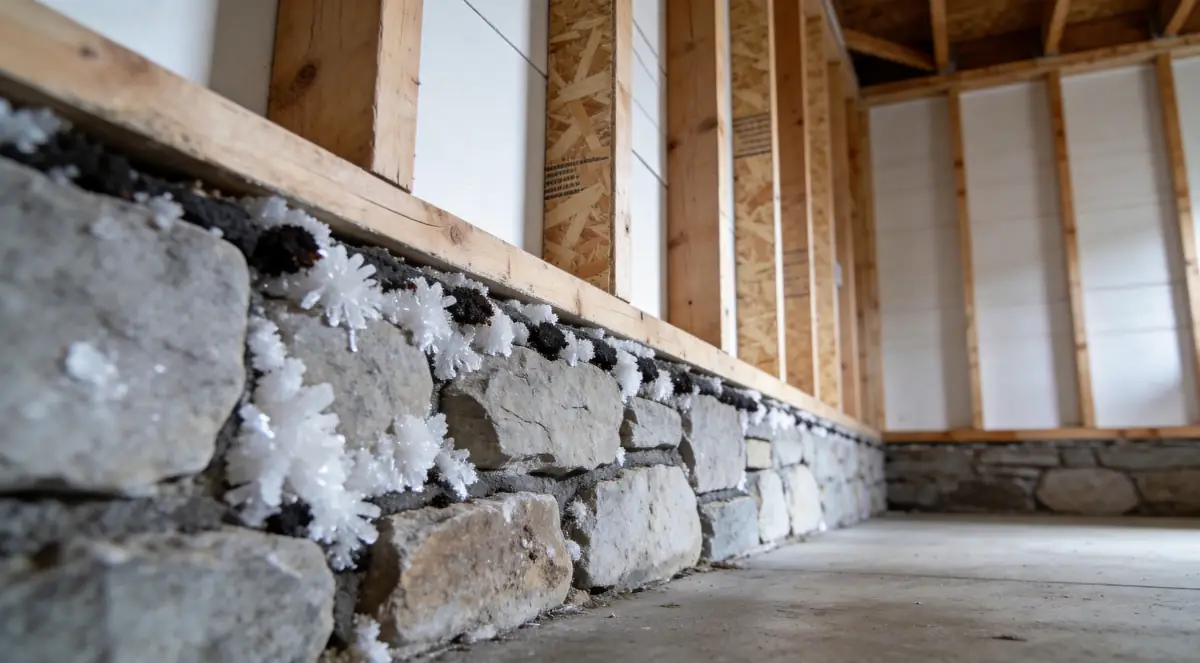
Why 60% Is the Line
Mold needs moisture to grow. When the air stays above about 60% relative humidity, surfaces like wood, drywall paper, dust and cardboard absorb enough moisture for mold to take hold. The EPA advises keeping indoor humidity below 60%, ideally 30% to 50%. See the EPA's brief guide to mold, moisture and your home for more.
This is routine work for our mold remediation service in Gettysburg.
Basements are harder than the rest of the house. They're cooler, so the same amount of moisture in the air gives a higher relative humidity reading down there. Cool walls and pipes also cause condensation.
Recommended Basement Humidity by Season
| Season | Target RH | Notes for Gettysburg |
|---|---|---|
| Summer (June to September) | 45% to 50% | Humid months; dehumidifier runs most days |
| Spring (March to May) | Under 55% | Snowmelt and rain raise the water table |
| Fall (October to November) | Under 55% | Watch after tropical storm remnants |
| Winter (December to February) | 30% to 45% | Heated air is drier; dehumidifier can often rest |
Setting the dehumidifier to 45% or 50% gives you a buffer below 60% while keeping energy use reasonable.
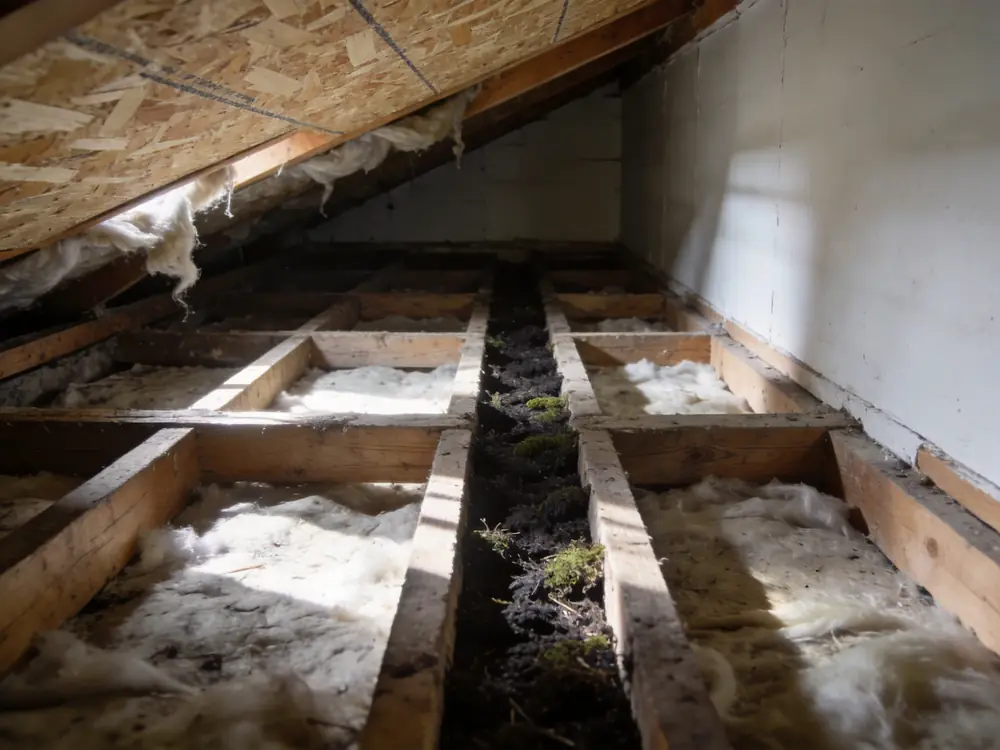
Why Gettysburg Basements Run Humid
South central Pennsylvania has a humid continental climate, with about 43 inches of precipitation a year and muggy summers. Many homes in the Gettysburg Historic District sit on fieldstone or rubble foundations that let ground moisture pass straight through. Newer homes can still have issues from block walls, crawl spaces under additions, or finished basements with no moisture break. If you have an older stone basement, our guide to mold in stone foundation basements has more tips.
How to Measure Basement Humidity
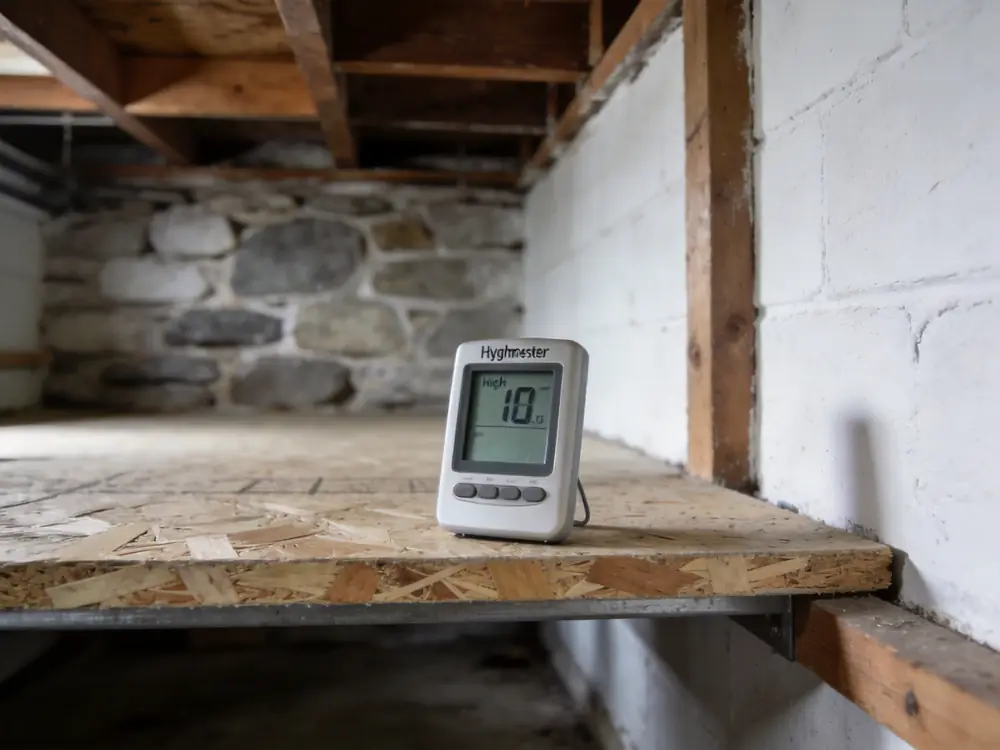
- Buy a digital hygrometer. They're inexpensive and sold at hardware stores.
- Place it in the middle of the basement, away from the dehumidifier and outside walls.
- Check readings in the morning and afternoon for a week in summer.
- Don't rely only on the dehumidifier's built-in reading, which measures air right at the unit.
Choosing and Sizing a Dehumidifier
Dehumidifiers are rated in pints of water removed per day. A bigger, damper basement needs more capacity. Rating standards changed in 2019, so a unit sold as "35 pint" today may match an older "50 pint" model. Compare new models to new models.
- Size for the space and dampness. A small, slightly damp basement needs less than a large one with musty smells or wet walls.
- Get a drain hose option. A continuous drain to a floor drain or sump avoids the full-bucket shutoff.
- Look for low-temperature operation. Basements are cool, and some units frost up below about 65 degrees.
- Consider efficiency. ENERGY STAR certified models use less electricity, which matters for a unit running all summer.
- Whole-basement units are ducted or permanently installed and handle large or chronically damp spaces better.
Placement and Setup Tips
- Place the unit near the center of the damp area, with a foot or more of open space around it.
- Close basement windows while it runs. Open windows in summer let in humid air.
- Set it to 45% to 50%.
- Clean the filter monthly during summer.
- Keep stored items off the floor and a few inches away from walls so air can move.
Humidity Is One Part of Prevention
A dehumidifier won't fix a leak, a flooded floor or a wall that seeps in spring. Keep gutters clean, extend downspouts 4 to 6 feet, slope soil away from the house, and test your sump pump before storm season. Our broader guide on how to prevent mold covers the whole house.
Humidity control matters most in finished spaces, where carpet and drywall hold moisture and hide growth. If you have one, read about mold in a finished basement before problems start.
When to Call a Professional
If you already see mold, smell a strong musty odor, or can't get humidity under control, it's time for an inspection. We provide basement and crawl space mold remediation in Gettysburg, including moisture control plans. Call (717) 420-8919, 24 hours a day.