
Mold guide
How to Prevent Mold in Your Gettysburg Home
The way to prevent mold in a house is to control moisture: keep indoor humidity below 60%, fix leaks within 24 to 48 hours, vent damp air outside, and move rain and groundwater away from the foundation. In humid south-central Pennsylvania, where Gettysburg sees about 43 inches of precipitation a year, that takes a plan for every room and every season.

By Dale Hoffman, Remediation Lead
Published
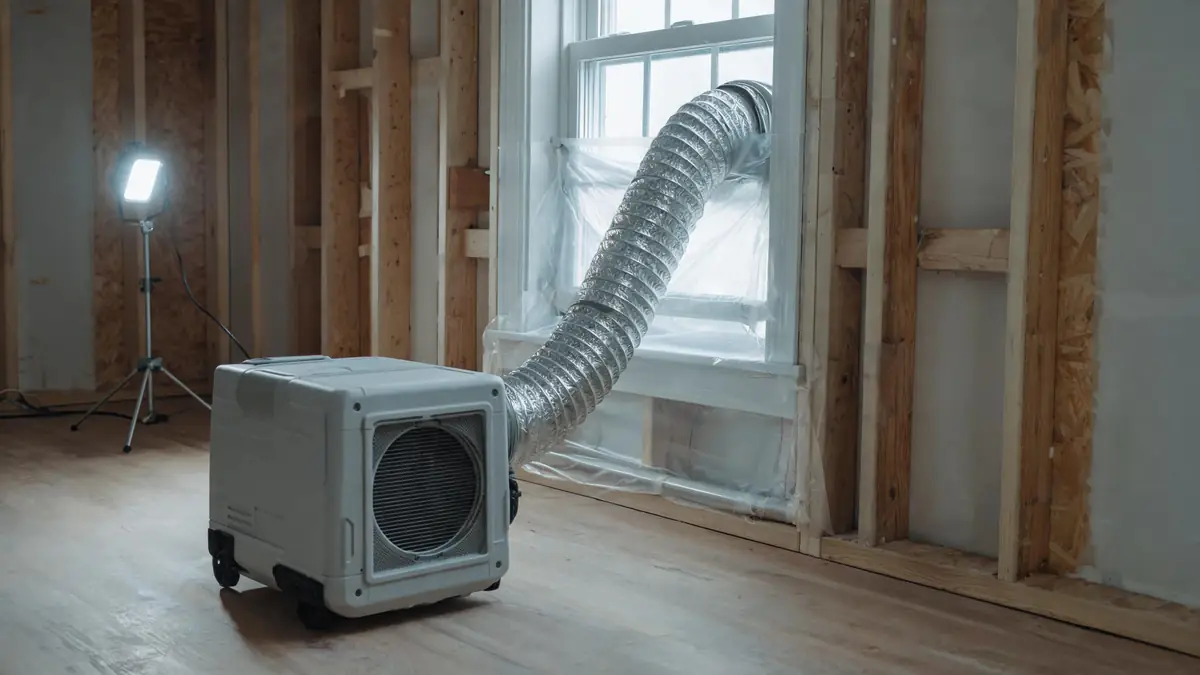
The One Rule: Control Moisture
Mold spores are always in the air. They only grow where they find water and something to feed on, like wood, paper, or dust. The EPA sums it up: the key to mold control is moisture control. Every tip below comes back to that.
Anyone unsure how far it has spread can have our Gettysburg mold remediation team take a look.
Buy a digital hygrometer or two. They cost little and tell you the relative humidity in any room. If a room reads above 60% for days, act.
Room-by-Room Mold Prevention Plan
Basement
- Run a dehumidifier set to about 50% from late spring through early fall. Drain it to a floor drain or sump so it runs without emptying a bucket.
- Seal cracks in poured walls and repoint loose mortar in stone foundations.
- Keep stored items on shelves off the floor, in plastic bins rather than cardboard.
- Test your sump pump each spring by pouring water into the pit. Consider a battery backup.
- Insulate cold water pipes that sweat in summer.
For target numbers, see the right basement humidity level.
Crawl Space
- Cover bare soil with a heavy vapor barrier, overlapped and taped at seams.
- Check for standing water after heavy rain.
- Consider full encapsulation with a dehumidifier if humidity stays high.
Bathrooms
- Run the exhaust fan during showers and for 20 to 30 minutes after.
- Make sure the fan vents outside, not into the attic. This is a common problem in older homes.
- Squeegee shower walls and keep caulk and grout sealed.
Kitchen and Laundry
- Use a range hood that vents outside while cooking.
- Check under the sink every month for drips.
- Vent the clothes dryer outside with a short, rigid duct.
- Replace washing machine hoses every 5 years or so, or use braided steel hoses.
Attic
- Keep soffit vents clear of insulation so air can flow from eaves to ridge.
- Seal gaps around light fixtures, pipes, and the attic hatch so warm, moist air cannot rise into the attic in winter.
- Look for dark staining on the underside of the roof sheathing each fall.
Living Areas and Windows
- Wipe window condensation in winter, especially on older single-pane windows.
- Keep furniture a few inches off exterior walls so air can move.
- Do not overwater houseplants.
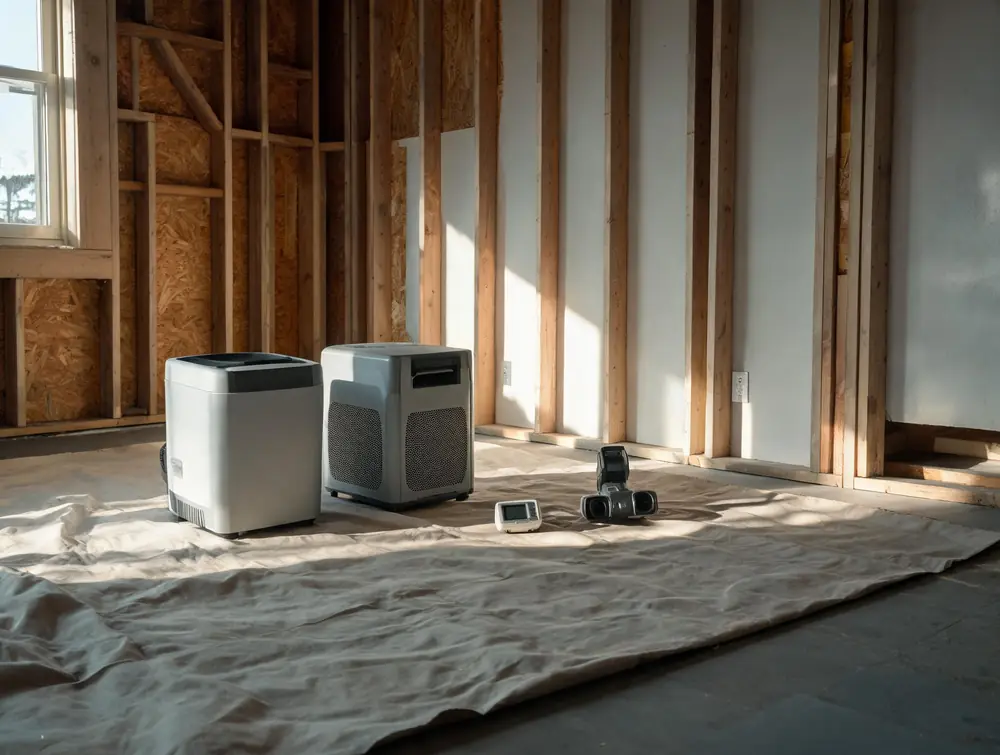
Outside the House
| Task | How often | Why |
|---|---|---|
| Clean gutters | Spring and late fall | Clogged gutters dump water at the foundation |
| Extend downspouts 4 to 6 feet | Once, then check | Moves roof water away from basement walls |
| Grade soil away from house | Check yearly | A slope of about 6 inches over 10 feet sheds water |
| Inspect roof and flashing | Yearly and after storms | Small leaks feed attic and ceiling mold |
| Trim shrubs off siding | Yearly | Lets walls dry after rain |
| Caulk windows and doors | Every few years | Stops wind-driven rain |
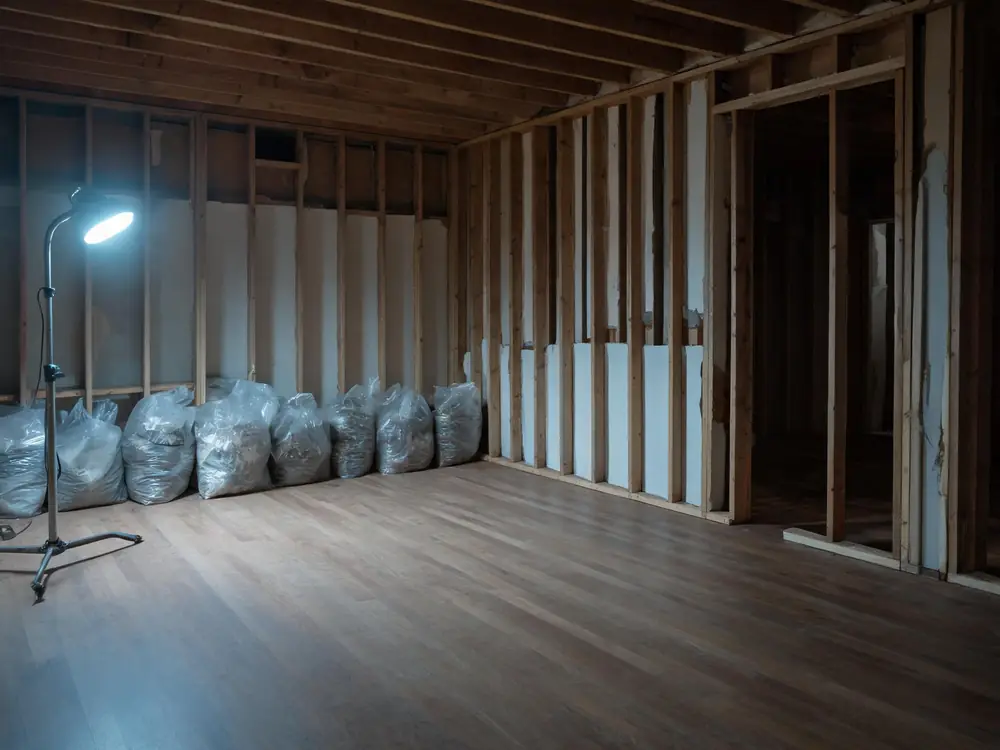
HVAC and Humidity
Your air conditioner removes moisture as it cools. Change filters every 1 to 3 months, keep the condensate drain line clear, and have the system serviced each year. An oversized AC unit can cool a house too fast to dry the air, leaving it cool but clammy. An ENERGY STAR dehumidifier costs less to run over a long, muggy summer.
Act Fast After Leaks and Floods
Mold can begin to grow on wet materials within 24 to 48 hours. After a burst pipe, roof leak, or flooded basement:
- Stop the water.
- Remove standing water and wet carpet, pad, and cardboard.
- Run fans and dehumidifiers around the clock.
- Pull baseboards if drywall is wet at the bottom, so the wall can dry.
- Call for help if you cannot get things dry within 48 hours.
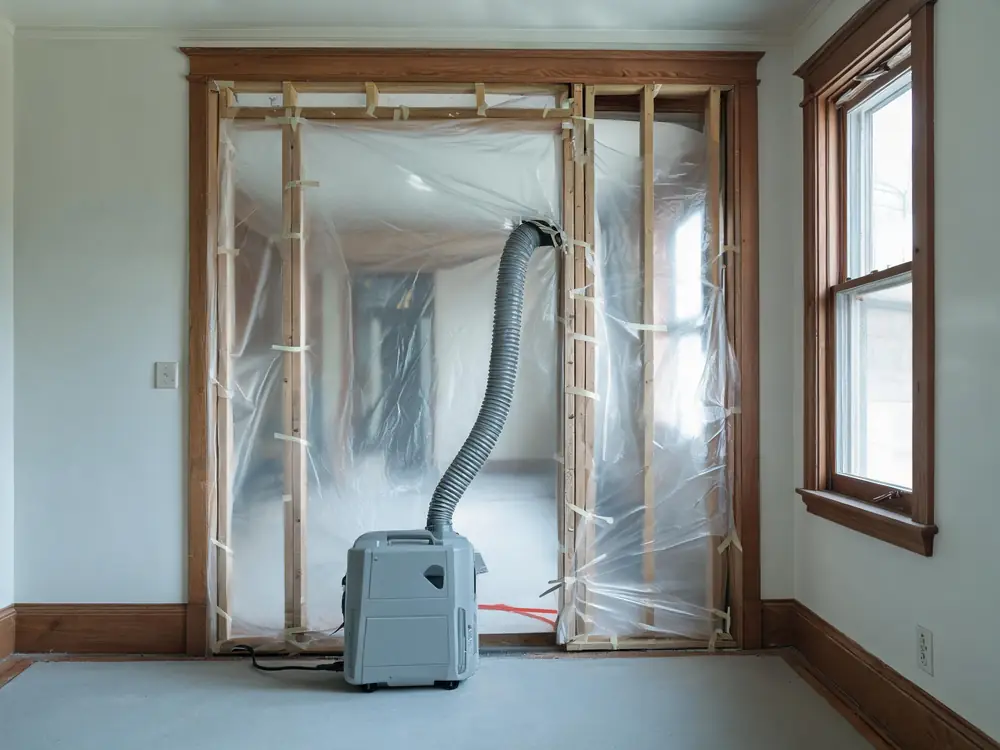
Why Gettysburg Homes Need Extra Attention
Several local factors stack up. Many homes in the Gettysburg Historic District sit on fieldstone or rubble foundations that let ground moisture seep through, so a dehumidifier is close to required. July and August are humid. Late summer and fall bring tropical storm remnants, like Lee in 2011, that dump heavy rain. Freeze-thaw winters burst pipes in unheated crawl spaces and additions, and spring snowmelt pushes water toward foundations. Knowing the risky months helps. See mold season in Pennsylvania for a month-by-month guide.
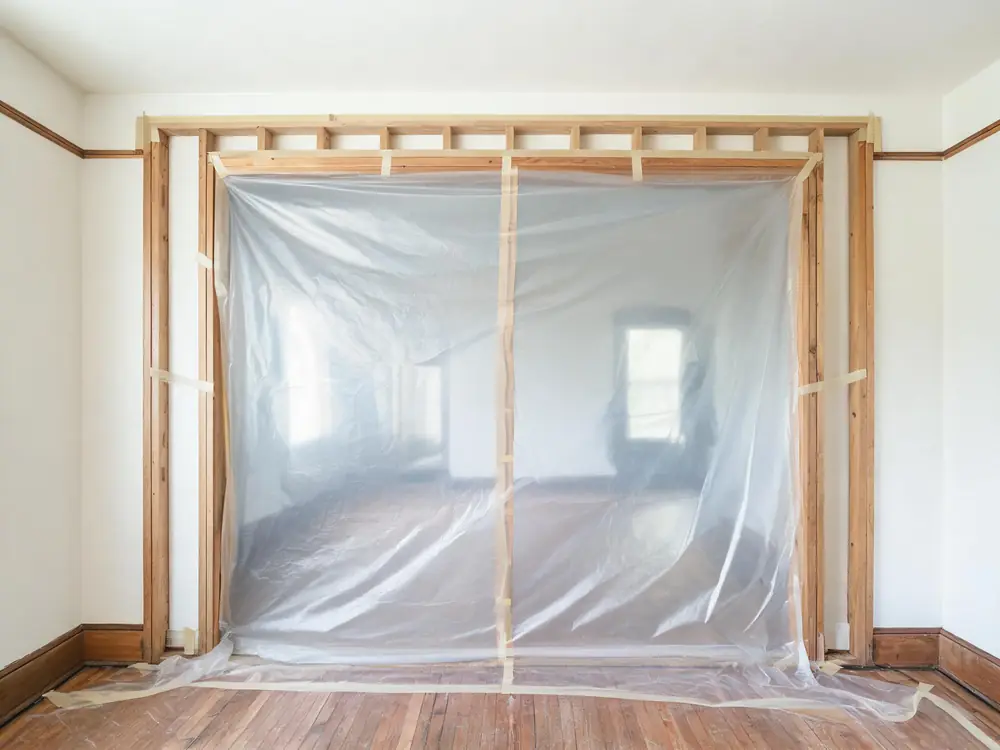
Quick Seasonal Checklist
- Spring: clean gutters, test sump pump, start the dehumidifier.
- Summer: watch basement humidity, keep AC drain lines clear.
- Fall: clean gutters again, check the attic, prepare for storm season.
- Winter: insulate pipes, wipe window condensation, keep heat on in all spaces with plumbing.
When to Call a Professional
Prevention works best on a clean slate. If mold is already growing over more than about 10 square feet, or you smell mustiness you cannot track down, have it handled first. See our mold remediation process, which includes fixing the moisture source, or call (717) 420-8919, 24 hours a day.
This sits inside a bigger picture, covered in What Permanently Kills Mold? (And What Doesn't).