
Mold guide
Crawl Space Encapsulation vs. Vapor Barrier: Which Stops Mold Better?
Crawl space encapsulation vs. vapor barrier comes down to how much of the crawl space you seal: a vapor barrier covers the dirt floor with plastic, while encapsulation seals the floor, walls and vents and usually adds a dehumidifier. For Gettysburg homes with humid summers and damp clay soil, both help, but encapsulation gives much tighter control over the humidity that feeds mold.

By Dale Hoffman, Remediation Lead
Published
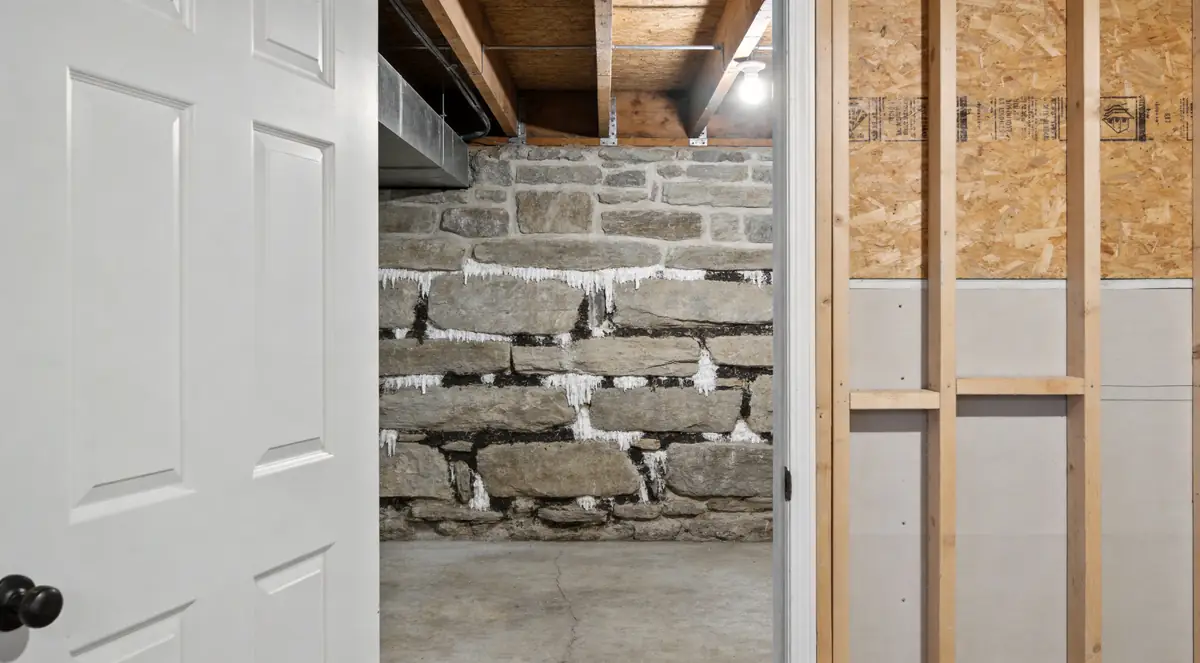
What Is a Crawl Space Vapor Barrier?
A vapor barrier is a sheet of polyethylene plastic laid over the dirt floor of a crawl space. Its job is to stop moisture in the soil from evaporating into the crawl space air. Seams are overlapped and often taped, and the edges may run a short way up the walls.
Local conditions and pricing are covered by Mold Remediation Gettysburg PA.
Thickness matters. Thin 6 mil plastic is cheap but tears easily when someone crawls over it. Thicker liners, such as 10 to 20 mil reinforced products, hold up far better. With a vapor barrier alone, the foundation vents usually stay open.
What Is Crawl Space Encapsulation?
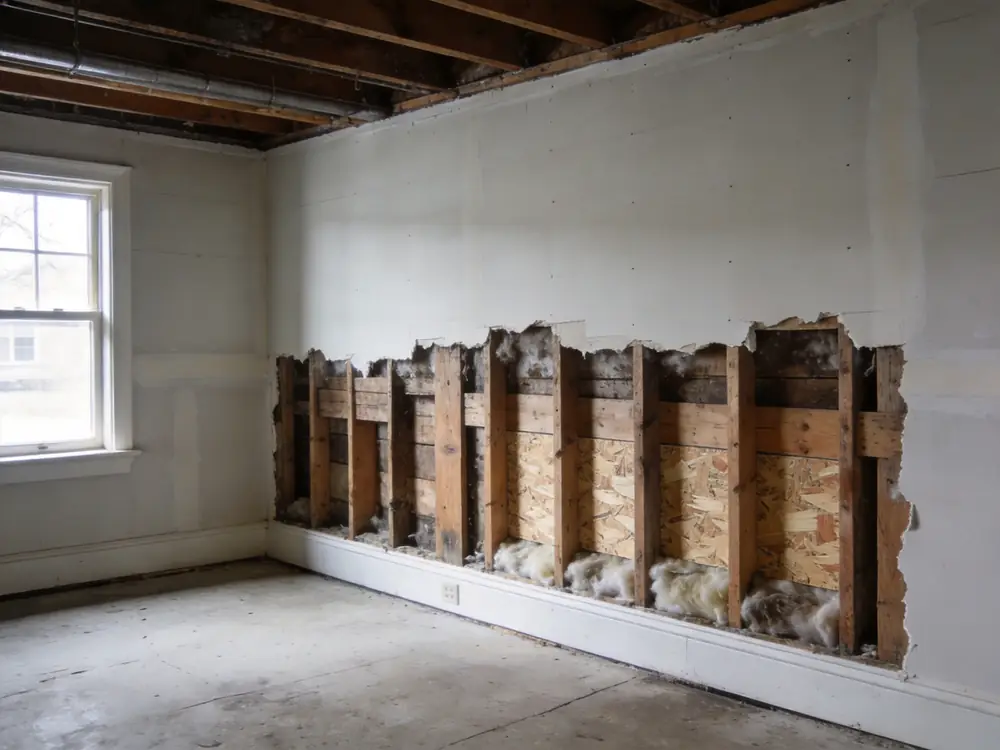
Encapsulation turns the crawl space into a sealed, conditioned part of the house. A full system usually includes:
- A heavy, reinforced liner over the floor, taped at every seam
- The liner or insulation run up the foundation walls and sealed
- Foundation vents closed and sealed
- Gaps around pipes, wires and the rim joist air sealed
- A sealed, insulated access door
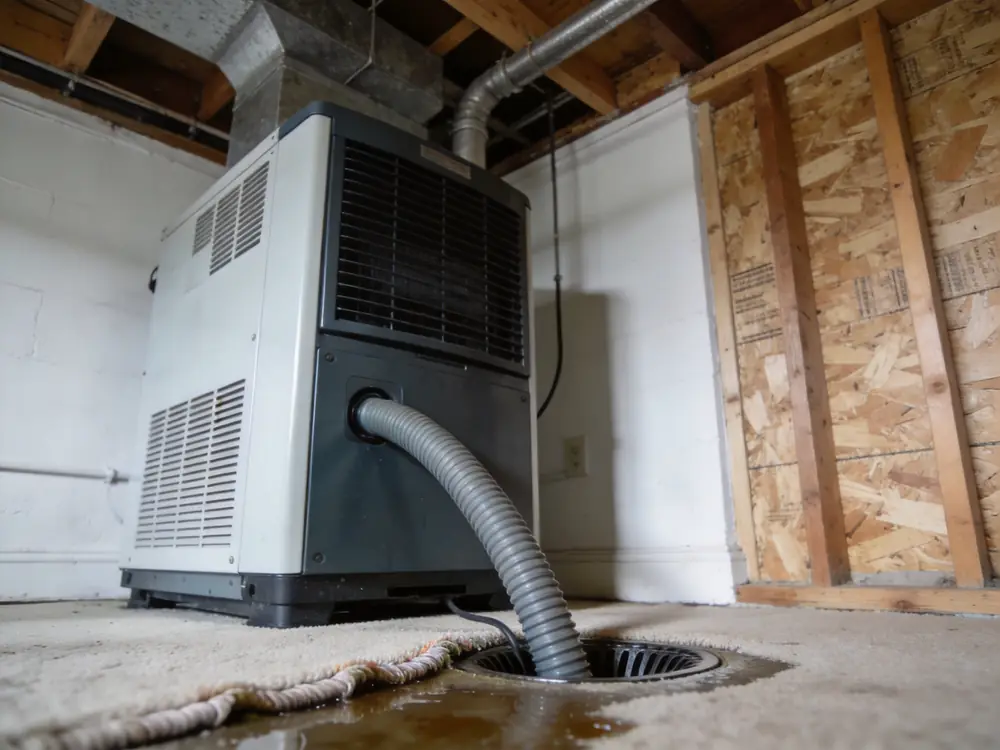
- A dehumidifier or a small supply of conditioned air to control humidity
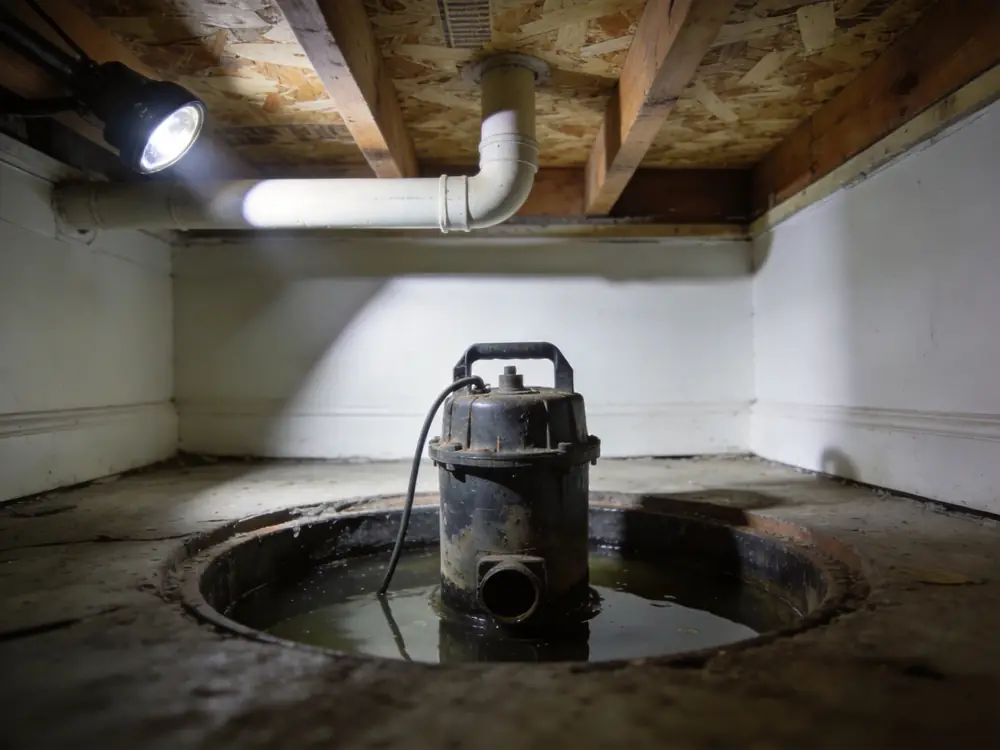
- Sometimes a drain or sump if water pools on the floor
Side-by-Side Comparison
| Factor | Vapor barrier | Encapsulation |
|---|---|---|
| What's covered | Dirt floor | Floor, walls, vents, rim joist |
| Vents | Usually left open | Sealed |
| Humidity control | Blocks ground moisture only | Blocks ground moisture and outdoor humid air; dehumidifier keeps levels steady |
| Typical liner | 6 to 12 mil | 12 to 20 mil reinforced |
| Relative cost | Lower | Higher, often several times a basic barrier |
| Ongoing cost | Little to none | Dehumidifier electricity and filter or maintenance |
| Mold prevention | Good in drier spaces | Best in humid climates and wet spaces |
| Energy effect | Small | Can make floors above warmer and more comfortable |
Why Open Vents Can Make Summer Mold Worse
For years, builders vented crawl spaces to "air them out." In a place with humid summers like south central Pennsylvania, that can backfire. In July and August, warm, humid outdoor air flows through the vents and hits cooler joists, ducts and pipes. It condenses, and the wood stays damp for weeks. That is why many vented crawl spaces show the worst mold at the end of summer, not in winter.
Gettysburg averages about 43 inches of precipitation a year, and the region sees late-summer tropical storm remnants. Sealing the vents and controlling humidity breaks that cycle. ENERGY STAR also has guidance on sealing and insulating crawl spaces as part of home energy improvements.
Which One Is Right for Your Crawl Space?
A vapor barrier may be enough if:
- The crawl space has no history of mold or standing water
- Humidity readings stay under 60% most of the year
- The soil is fairly dry and the lot drains well
- Budget is tight and you want the biggest improvement per dollar
Encapsulation is usually the better choice if:
- You've already had mold on the joists or subfloor
- Summer humidity in the crawl space tops 60% to 70%
- Water pools on the floor after heavy rain or snowmelt
- HVAC ductwork or equipment sits in the crawl space
- Floors above feel cold in winter or musty in summer
The EPA recommends keeping indoor relative humidity below 60%, ideally 30% to 50%, to limit mold. Encapsulation is the most reliable way to hold a crawl space in that range through a Pennsylvania summer.
Clean First, Then Seal
If your crawl space has visible growth, the order matters. The framing should be cleaned or blasted and dried before any liner goes down. Our guide to mold on floor joists explains what that growth looks like and how it's removed.
Also check for moisture sources that a liner won't fix: a bathroom fan or dryer vent that exhausts into the crawl space, a leaky drain line, or gutters dumping water next to the foundation. These are common in older Gettysburg homes with crawl spaces under rear additions.
Cost Considerations
A basic vapor barrier is the lower-cost option. Encapsulation costs considerably more because of the heavier liner, wall work, air sealing and dehumidifier. National cost guides commonly put full encapsulation in the range of several thousand dollars, depending on size and conditions. For a breakdown of remediation plus moisture control, see our crawl space mold remediation cost guide. Prices vary by house, so final pricing comes after inspection.
When to Call a Professional
If you see mold on the joists, smell mustiness in the rooms above, or have water in the crawl space, get it inspected before choosing a moisture fix. We provide basement and crawl space mold remediation in Gettysburg, including cleanup and moisture control options explained in plain terms. Call (717) 420-8919, 24 hours a day.
For how this is handled on site, see basement and crawl space mold remediation.
This sits inside a bigger picture, covered in Mold in Stone Foundation Basements: A Guide for Historic Gettysburg Homes.