
Mold guide
Crawl Space Mold Remediation Cost: What Gettysburg Homeowners Should Expect
Crawl space mold remediation cost for most Gettysburg homes falls in the typical $1,500 to $6,000 range for basement and crawl space work, with small spots under 10 square feet running about $500 to $1,500. The final number depends on the size of the crawl space, how much growth is on the framing, how hard the space is to reach, and whether you add a vapor barrier or full encapsulation. We price every job after an inspection.

By Dale Hoffman, Remediation Lead
Published
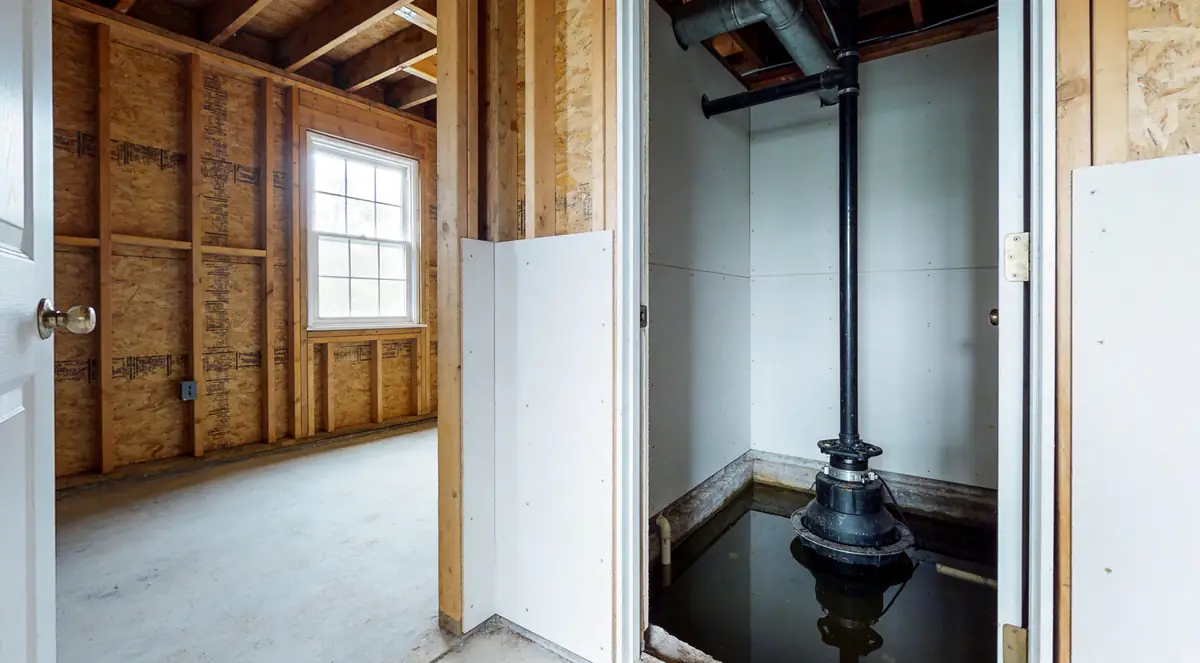
Typical Crawl Space Mold Remediation Price Ranges
These ranges are public reference points, not quotes. Your crawl space may land higher or lower.
| Scope | Typical range |
|---|---|
| Small area under 10 sq ft (a few joists, one corner) | $500-$1,500 |
| Full crawl space or basement cleanup | $1,500-$6,000 |
| Whole home, mold spread into living areas | $10,000-$30,000+ |
| National average for professional remediation | About $1,200-$3,800 |
For whole-house and insurance questions, visit our main guide to mold remediation cost in Gettysburg.
This is routine work for Gettysburg mold remediation.
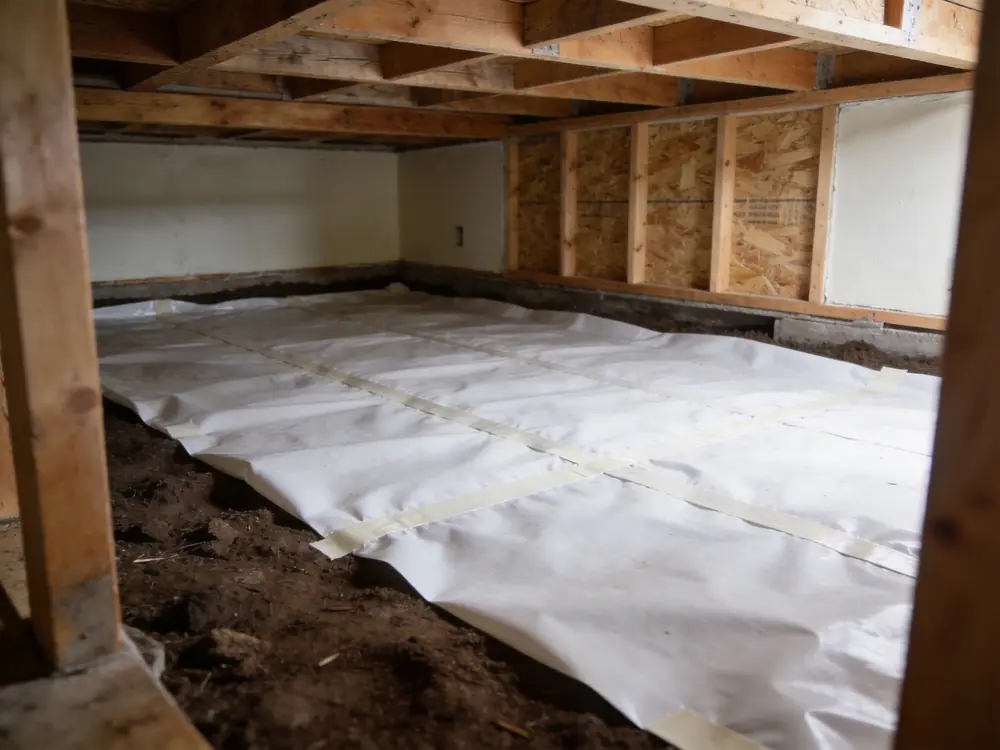
What Drives Crawl Space Pricing
Size and amount of growth
A crawl space under a small rear addition is a much smaller job than one under a full ranch house. Growth that covers most of the joists and subfloor takes more time and often calls for media blasting instead of hand cleaning.
Access and clearance
Crawl spaces are hard work. Technicians often move on their backs in 18 to 30 inches of clearance, around pipes, ducts and wires. A low, cramped space with a small access hatch costs more in labor than a tall one with a door. Many Gettysburg homes have crawl spaces under additions or porches that were never meant to be entered.
Insulation and debris
Wet fiberglass batts between floor joists are common, and they often hold mold. Removing and bagging old insulation, rotted wood scraps and old torn plastic adds to the bill. New insulation is a separate line item.
Wood condition
Most joist mold is surface growth that cleans off. If long-term moisture has caused rot, some framing may need sistering or replacement by a carpenter, which is a separate cost. Our article on mold on floor joists explains how to tell the difference.
Ductwork
If HVAC ducts run through the crawl space, they can pull in spores or condense moisture in summer. Sealing or cleaning ducts adds cost but can matter for air quality upstairs.
Testing
Pre-work testing and independent clearance testing are usually separate line items. We recommend clearance testing after the work is done.
Vapor Barrier vs. Encapsulation: How They Change the Total
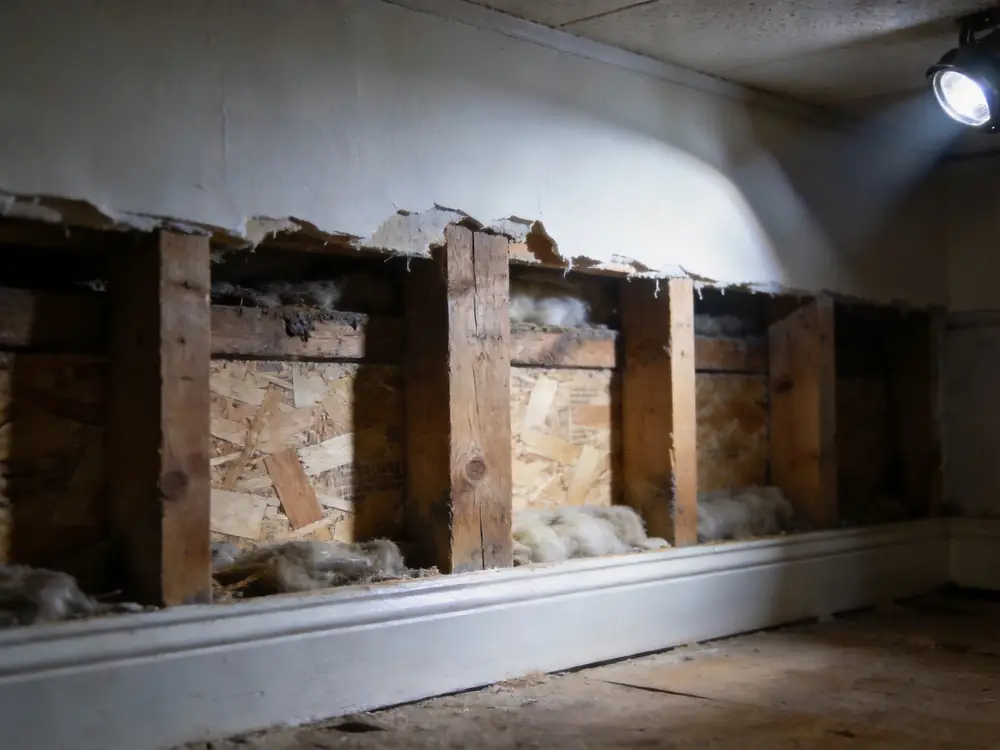
Cleaning the mold is only half of the job. A dirt-floor crawl space releases moisture into the air all year, and open vents pull in humid summer air. In Gettysburg's humid July and August weather, that air condenses on cool joists and feeds new growth. The moisture fix is what protects your remediation investment.
| Option | What it is | Relative cost | Mold prevention |
|---|---|---|---|
| No moisture fix | Clean only | Lowest upfront | Poor; regrowth is likely |
| Vapor barrier | Plastic sheeting over the dirt floor | Moderate add-on | Good at blocking ground moisture |
| Full encapsulation | Heavy liner on floor and walls, vents sealed, often a dehumidifier | Highest; national cost guides often list full systems at several thousand dollars or more | Best control of humidity |
For a full comparison of materials, costs and results, read our guide on crawl space encapsulation vs. vapor barrier.
Why Gettysburg Crawl Spaces Grow Mold
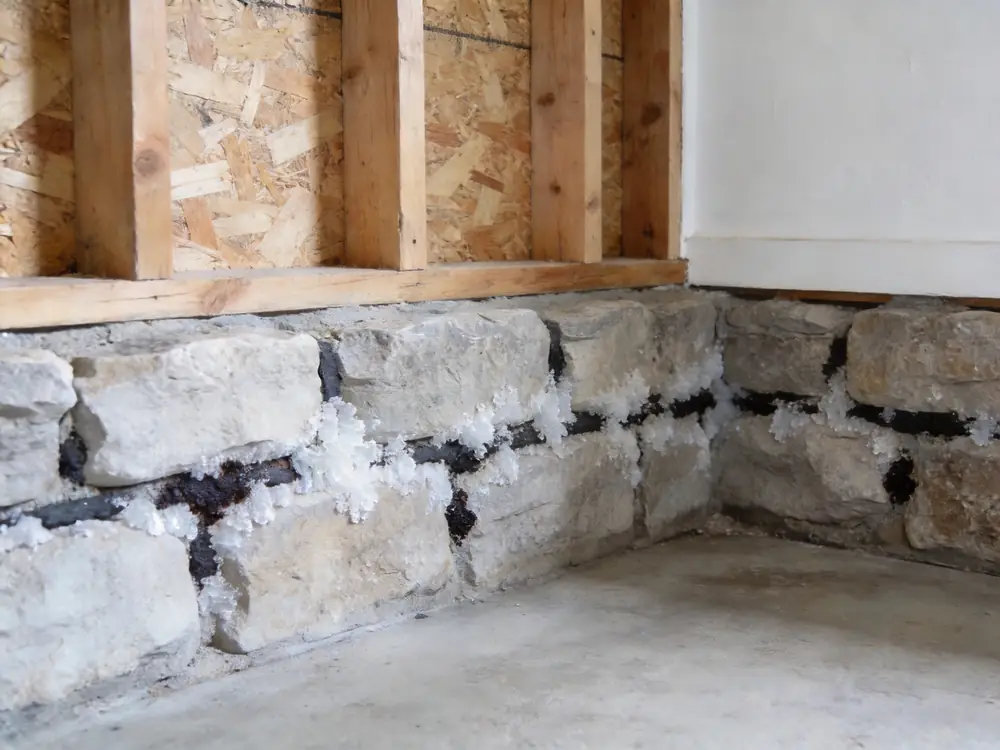
The Gettysburg area gets about 43 inches of precipitation a year, and spring snowmelt raises the water table in low-lying areas. Clay soils hold water against foundations. Many older homes added rear kitchens, porches or bathrooms over shallow crawl spaces with dirt floors and little ventilation. And a bathroom or dryer vent that dumps into the crawl space, rather than outside, is a common hidden source of moisture.
The EPA recommends keeping indoor relative humidity below 60%, ideally 30% to 50%. Unsealed crawl spaces here often run far higher in summer. You can read more in the EPA's brief guide to mold and moisture.
What a Good Estimate Includes
- Square footage of the crawl space and the affected area
- Containment and HEPA air filtration details
- What will be removed (insulation, debris, old plastic)
- Cleaning method for framing (HEPA vacuum and scrub, soda or dry ice blasting)
- Moisture fix options, priced separately
- Whether clearance testing is included or recommended
- Any repairs, such as insulation or wood replacement, listed on their own
Be cautious of estimates that only include spraying or fogging a chemical. Industry guidance, including the IICRC S520 standard, centers on physically removing mold, not just treating it.
Does Insurance Cover Crawl Space Mold?
Most homeowners policies exclude mold from long-term humidity or seepage, which is how most crawl space mold starts. Mold from a sudden covered event, such as a burst pipe, may be covered up to a policy limit. Check your policy and speak with your insurer or agent for your situation.
When to Call a Professional
Call a professional if mold covers more than about 10 square feet, the crawl space is hard to reach safely, the wood looks soft or rotted, or anyone in the home has asthma or allergies. We handle basement and crawl space mold remediation across Gettysburg, with written scopes and pricing after inspection. Call (717) 420-8919, 24 hours a day.
The overview this belongs to is Mold in Stone Foundation Basements: A Guide for Historic Gettysburg Homes.