Bathroom & Kitchen Mold Removal in Gettysburg, PA
Bathroom and kitchen mold removal in Gettysburg, PA starts with finding the water: a shower that leaks into the wall, a fan that never vented outside, or a slow drip under the sink. We remove the mold, fix the cause and keep what can be saved. We're open 24 hours at (717) 420-8919.
Open 24 hours · Free, no-obligation estimate
Get a Free Mold Estimate
Answered 24/7. No obligation.
Bathrooms and kitchens are the two rooms in a house where water is used every day. That makes them the most common places for mold you can see, and for mold you can't, hidden behind tile, under a vanity or inside a sink cabinet. Some of it is a weekend cleaning job. Some of it means a leak has been feeding a wall cavity for months. This page explains how to tell the difference and how our team handles the bigger jobs, as part of our mold remediation services in Gettysburg.
What Our Bathroom and Kitchen Mold Removal Includes
A real fix covers the mold, the material it grew on and the water that fed it. A typical project with us includes:
- Leak and moisture detection. Moisture meters and a thermal camera on walls, floors, ceilings and cabinets to find wet areas behind finished surfaces.
- Containment. Poly sheeting at the doorway and negative air with HEPA filtration, so spores do not spread into hallways and bedrooms.
- Surface cleaning. Tile, tubs, glass, fixtures and sealed cabinets are HEPA vacuumed and cleaned where the material can be saved.
- Selective removal. Moldy drywall, failed caulk and grout, swollen particleboard and wet insulation are cut out and bagged inside containment.
- Drying. Dehumidifiers and air movement dry wall cavities, subfloor and cabinet bases before anything is closed up.
- Fixing the cause. We identify the plumbing leak, failed seal or ventilation problem and fix it or coordinate with your plumber.
- Documentation. Photos, moisture readings and a written scope for your records and your insurer, plus a recommendation for independent clearance testing on larger jobs.
When the source is a burst supply line or an overflow that soaked the floor below, our water damage and mold restoration service handles the drying and the mold together.
Signs of a Bigger Problem in Your Bathroom or Kitchen
Spots on grout are common and often harmless. These signs suggest the problem goes past the surface:
- Mold that returns within weeks of a good cleaning, in the same spot.
- Soft, bubbling or stained drywall next to the tub, behind the toilet or below a window.
- Loose or cracked tiles, or grout that crumbles, in a shower or tub surround.
- Dark spots on the bathroom ceiling, especially in corners and above the shower.
- A musty smell inside the sink cabinet or behind the vanity doors.
- A warped or swollen cabinet floor under the kitchen or bathroom sink.
- Stained or cupped flooring in front of the dishwasher or refrigerator.
- A water stain on the ceiling below a bathroom or kitchen.
- A higher water bill with no change in how you use water.
A slow drip is easy to miss and often does more damage than a burst pipe. Our guide on how to find a hidden water leak walks through simple checks you can do first. If you suspect mold but cannot see it, our mold inspection and testing service can find where it is.
Where Bathroom Mold Hides
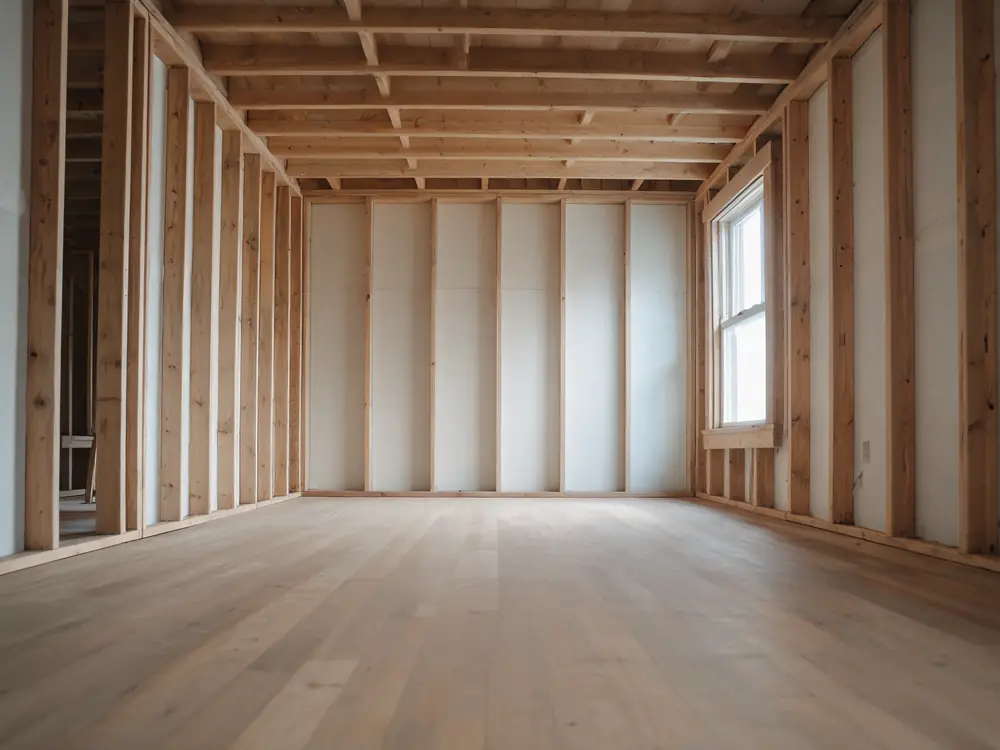
Showers, tub surrounds, grout and caulk
Grout is porous, and caulk pulls away from tile over time. Once a gap opens, every shower pushes water into the wall behind the tile. Drywall or old cement board behind a leaking surround can grow mold for years with little showing on the surface. Loose tiles, a hollow sound when you tap and staining on the other side of the wall are the clues.
Exhaust fans
Most bathroom mold comes down to ventilation. A fan should be sized for the room, run during the shower and for a while after, and vent through a duct to a roof or wall cap outside. Many fans we see are too weak, clogged with dust, or ducted only into the attic. A fan that dumps into the attic moves the moisture problem to the roof deck. If we find that, our attic mold remediation team checks the sheathing above, and our guide to attic ventilation explains why it matters.
Ceilings
Bathroom ceilings grow mold when steam condenses on them and never dries, especially on cold exterior corners in winter. A ceiling stain can also come from a leak in the bathroom above or from attic condensation. We take moisture readings to tell which one you have. Our article on winter condensation mold on walls covers the cold-surface side.
Behind vanities and toilets
Supply lines, shutoff valves and drain connections sit behind the vanity, out of sight. A failed wax ring under a toilet lets water soak the subfloor every time it is flushed. These leaks rarely show until the floor is soft or the ceiling below is stained.
Where Kitchen Mold Hides
Under the sink
The sink base is the most common place we find kitchen mold. Slow drips from drain joints, the garbage disposal, the faucet base or a water filter soak the particleboard floor of the cabinet. Our guide to mold under the kitchen sink covers what to check.
Dishwasher and refrigerator lines
Dishwashers leak at the door gasket, the drain hose and the supply connection. Refrigerators with ice makers or water dispensers run a small supply line that can crack or loosen behind the unit. Both leak onto the floor and into the subfloor, where mold grows under vinyl, laminate and hardwood.
Range hoods and cabinets
Cooking adds a lot of moisture to the air. A range hood that only recirculates, or one ducted into a cabinet soffit or attic instead of outside, leaves that moisture in the house. Upper cabinets on cold exterior walls and the backs of cabinets against a damp wall are common spots for hidden growth.
Our Bathroom and Kitchen Mold Removal Process
Every job follows the IICRC S520 standard and EPA guidance. You can read the full version of how we remediate mold. Here is how it works in a bathroom or kitchen.
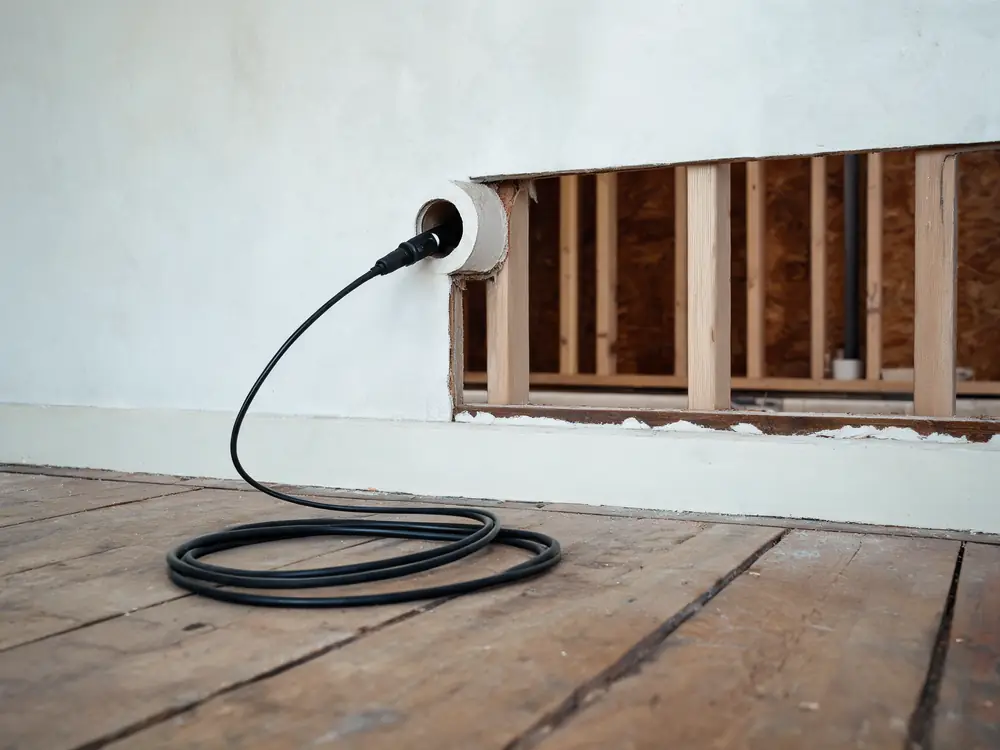
- Free inspection. We look at the visible mold, then use moisture meters and thermal imaging to map wet areas behind tile, drywall and cabinets.
- Find the source. We test the fan, check caulk and grout, look at supply and drain lines, and check appliance connections.
- Written scope and price. You get a plan that lists what will be cleaned, what will be removed and what repairs are needed, with a price.
- Containment. We seal the doorway and nearby openings with poly sheeting and run HEPA air scrubbers under negative pressure.
- Removal and cleaning. Moldy drywall, caulk, grout or cabinet parts are removed. Remaining surfaces are HEPA vacuumed and cleaned.
- Drying. Wall cavities, subfloor and cabinet bases are dried and checked with a moisture meter before anything is closed.
- Repair the cause. The leak gets fixed, the fan gets vented outside, or the seal gets replaced, by us or your plumber or contractor.
- Final check. A final HEPA pass, moisture readings and photos. We recommend independent clearance testing on larger jobs before walls are rebuilt.
Keep or Remove? Materials Compared
The EPA notes that porous materials with mold may need to be thrown away, because mold can grow into the empty spaces of the material. Here is how we decide in bathrooms and kitchens.
| Material | Usually clean and keep when | Usually remove when |
|---|---|---|
| Ceramic and porcelain tile, tubs, glass | Mold is on the surface and the tile is firmly attached | Tiles are loose and the backer behind them is wet or moldy |
| Grout and caulk | Light surface spotting that cleans up | Stains go deep, grout crumbles or caulk has pulled away (regrout and recaulk) |
| Painted drywall | Light surface growth from steam on a dry, firm wall | Drywall is soft, stained through or wet inside the cavity |
| Solid wood cabinets | Surface mold on sealed, structurally sound wood | Wood is rotted or soaked long enough to warp |
| Particleboard or MDF cabinets | Rarely, only if dry, flat and lightly affected | Swollen, soft, delaminated or moldy on raw edges |
| Subfloor under sink, toilet or dishwasher | Dry, firm and only surface stained | Soft, rotted or delaminated plywood or OSB |
| Insulation in walls | Almost never once moldy | Wet or moldy at all |
When drywall has to go, we cut past the visible damage to reach dry, clean material. Our guide to mold in walls after a leak explains what we look for inside the cavity. If you are dealing with dark growth on wallboard, see black mold on drywall, or our black mold removal service for larger areas.
What You Can Clean Yourself, and When to Call
A lot of bathroom mold really is a do-it-yourself job. The EPA's mold cleanup guidance says homeowners can usually handle areas smaller than about 10 square feet, roughly a 3 foot by 3 foot patch.
For a small job on a hard surface:
- Wear gloves, goggles and an N-95 respirator.
- Scrub with detergent and water, then dry the surface completely.
- Do not mix bleach with ammonia or other cleaners.
- Run the fan or open a window while you work and afterward.
- Replace failed caulk once the area is clean and fully dry.
Call a professional when:
- The moldy area is larger than about 10 square feet.
- Mold keeps returning after cleaning.
- Drywall is soft or stained, or tiles are loose.
- A leak soaked a cabinet, subfloor or the ceiling below.
- Anyone in the home has asthma, allergies or a weakened immune system.
- You need documentation for a sale, a rental or an insurance claim.
Our guide on whether you can remove black mold yourself goes into more detail. If you have health concerns, talk to your doctor.
What Affects the Price of Bathroom and Kitchen Mold Removal
We price after inspection because the visible mold rarely tells the whole story. These are the main cost factors:
- Surface or cavity. Cleaning a ceiling costs far less than opening a wall behind a shower.
- Area affected. The EPA uses 10 square feet as a rough line between a small job and a larger one.
- What has to come out. Pulling a vanity, sink base, dishwasher or toilet adds labor.
- Drying time. A long-running leak into subfloor takes more equipment and days to dry.
- Repairs to the cause. Rerouting a fan duct outside or replacing a supply line is a separate line item.
- Testing. Independent clearance testing is billed separately by the testing company.
As a reference, small areas under 10 square feet often fall in the $500 to $1,500 range. National figures put professional mold remediation at roughly $1,200 to $3,800 on average, and jobs with wall and cabinet removal can run higher. See our guide to bathroom mold removal cost or our main mold remediation cost page. Your firm price always comes in writing after we inspect.
Bathroom and Kitchen Mold in Gettysburg Homes
Older homes here have their own patterns. Many houses in the Gettysburg Historic District had bathrooms added decades after they were built, often in converted closets or rear additions with no exterior wall for a fan. Those fans were commonly ducted into the attic or not installed at all. Plaster walls in older bathrooms hold up to steam better than drywall, but they still grow surface mold and can crack where water gets behind them.
Gettysburg's climate adds pressure from both sides. Humid July and August air keeps bathrooms from drying between showers, and cold January nights chill exterior walls until shower steam condenses on them. Homes in boroughs like Hanover and Biglerville see the same issues, especially in older rowhomes and twins where bathrooms sit on shared or exterior walls.
Rentals near Gettysburg College and student housing see heavy bathroom use and fans that tenants turn off because of noise. Landlords dealing with tenant complaints can find practical steps in our guide to Pennsylvania mold rules for landlords and tenants.
Why Gettysburg Homeowners Call Us for Bathroom and Kitchen Mold
Containment in the Rooms You Use Most
Bathrooms and kitchens sit next to bedrooms, hallways and living space, so containment matters. We seal the work area with poly sheeting, run HEPA air scrubbers under negative pressure and remove moldy material inside the containment before it leaves the room. Our methods follow the IICRC S520 standard and EPA guidance, with physical removal and HEPA vacuuming, not just spraying a product over the stain and calling it done.
Clearance Testing and a Written Warranty
On larger jobs, especially when walls or cabinets are opened, we recommend independent third-party clearance testing before rebuilding, so someone other than us confirms the result. Every remediation also comes with our 12-month written regrowth warranty. The terms are spelled out on our warranty page, so you know exactly what is covered before work starts and have it in writing afterward.
Answered 24 Hours, From Downtown Gettysburg
Supply lines burst and dishwashers overflow at the worst times, so our line is answered 24 hours a day, 7 days a week. We are based at 15-23 Baltimore St in Gettysburg and serve Adams County and Hanover. You get a free inspection, a written scope and price, and photos and moisture readings you can give your insurer or contractor. Read more about who we are.
Get Your Bathroom or Kitchen Checked
If mold keeps coming back in your shower, your sink cabinet smells musty, or a leak stained the ceiling below, the water behind it will not fix itself. Call us at (717) 420-8919, any hour, or contact us online to book a free inspection. We'll find the source, show you what can be saved, and give you a written plan to fix it for good.
Bathroom & Kitchen Mold Removal FAQs
Can I clean bathroom mold myself?
Often, yes. The EPA says most homeowners can clean mold patches smaller than about 10 square feet on hard surfaces like tile, tubs and painted walls, using detergent and water, gloves, goggles and an N-95 respirator. Call a professional for larger areas, mold that keeps coming back, soft or stained drywall, or anyone in the home with asthma or a weak immune system. See our bathroom mold removal guide.
How much does bathroom or kitchen mold removal cost?
A small area under 10 square feet often runs about $500-$1,500. Jobs that involve opening walls, pulling a vanity or sink cabinet, or drying out a larger leak cost more, and national averages for professional remediation sit around $1,200-$3,800. We give a firm written price only after an inspection. See what bathroom mold removal costs.
Why does black mold keep coming back in my shower grout?
Grout is porous, and growth can live below the surface where cleaners do not reach. The usual cause is moisture that never dries: a weak or missing exhaust fan, short fan run times, or water getting behind failed caulk. Regrouting, recaulking and fixing ventilation usually stop it. More on mold vs. mildew.
Do moldy kitchen cabinets have to be replaced?
Not always. Solid wood and well-sealed cabinet boxes with surface mold can often be cleaned and dried. Particleboard or MDF that is swollen, soft or delaminated from a leak usually needs replacing, along with the sink base floor. We check moisture and condition before recommending either. See mold under the kitchen sink.
Is it okay for my bathroom fan to vent into the attic?
No. A bath fan that ends in the attic pushes warm, wet air onto cold roof sheathing, which is one of the most common causes of attic mold. The fan duct should run to a roof or wall cap outside, with a damper, and be insulated where it passes through the attic. More on what causes attic mold.
Does bleach get rid of shower mold?
Bleach can lighten stains on nonporous surfaces like tile and glass, but it does not reach growth inside grout, caulk or drywall, and its fumes are harsh in a small room. Never mix bleach with ammonia or other cleaners. Detergent, scrubbing, drying and better ventilation work better over time. See whether bleach kills mold.
Other Mold Services in Gettysburg
If you smell something musty, see a stain you can't explain, or are about to buy an older house, a professional mold inspection in Gettysburg, PA tells you what is growing, where the moisture is coming from, and what it will take to fix it. We look at your home the way a moisture detective would, then use air or surface testing only when it answers a real question. You get clear findings in plain language, not a scary lab printout.
Mold Inspection and Testing
Black mold removal in Gettysburg, PA starts with finding the water that feeds the mold, then sealing off the area so spores stay put while we remove what's growing. If you've found dark, slimy patches on drywall, wood, or ceiling tiles, you don't need to panic, but you shouldn't wait either. We're open 24 hours at (717) 420-8919, and we'll tell you plainly what you're dealing with and what it will take to fix.
Black Mold Removal
Basement mold remediation in Gettysburg, PA starts with one fact: most homes here sit on old stone, damp clay soil and a water table that rises every spring, so the space below your floor is the most likely place in the house for mold to grow. We remove mold from basements and crawl spaces, fix the moisture that fed it, and set the space up to stay dry through humid Adams County summers. We're open 24 hours at (717) 420-8919.
Basement & Crawl Space Mold Remediation
Crawl space mold remediation in Gettysburg, PA means cleaning the joists and subfloor, then cutting off the ground moisture that fed the mold. We work in dirt-floor, vented and sealed crawl spaces across Adams County and Hanover, and we're open 24 hours at (717) 420-8919.
Crawl Space Mold Remediation
Attic mold remediation in Gettysburg, PA starts with one question: where is the moisture coming from? We remove mold from roof sheathing, rafters and trusses, fix the ventilation or venting problem that fed it, and treat the wood so the attic stays dry and clean. We're open 24 hours at (717) 420-8919.
Attic Mold Remediation
Water damage mold restoration in Gettysburg, PA starts the moment water gets where it should not be, because the clock on mold growth is already running. We dry the structure, find hidden moisture, remove anything that has started to grow mold, and put your home back on a path to normal. We are open 24 hours at (717) 420-8919 for leaks, floods and burst pipes.
Water Damage & Mold Restoration
Air duct mold removal in Gettysburg, PA works best when the whole HVAC system is treated as one unit: the ductwork, the evaporator coil, the drain pan, the blower and the air handler cabinet. We clean each part, fix the moisture that let mold grow and verify the results, and we're open 24 hours at (717) 420-8919.
HVAC and Air Duct Mold Remediation
Commercial mold remediation in Gettysburg, PA has to fit around tenants, guests, closing dates and business hours, and that is how we plan every job. We work with landlords, property managers, business owners, home sellers and caretakers of historic buildings in Gettysburg, the Adams County seat, and we are open 24 hours when a leak or a failed inspection cannot wait.
Commercial, Rental and Real Estate Mold Remediation
Mold remediation cost in Gettysburg, PA typically runs $500 to $1,500 for a small area under 10 square feet, $1,500 to $6,000 for a basement or crawl space, and $10,000 to $30,000 or more for a whole home. This page breaks down what those numbers include, what pushes a job up or down, how homeowners insurance treats mold, and how to read an estimate so you only pay for work you need.
Mold Remediation Cost
Our mold remediation process follows the IICRC S520 standard step by step, from the first inspection to independent clearance testing and rebuild, so mold in your Gettysburg home is removed at the source and the moisture that fed it is fixed. Here is what happens on a job, what it costs, and how to keep mold away.
Our Mold Remediation Process
Areas we serve
Bathroom & Kitchen Mold Removal Across Adams County
Based on Baltimore Street in Gettysburg, we also work in the boroughs and townships around it. Each town page covers how its housing stock shapes the mold we find there.
Cumberland Township
2.1 miStraban Township
4.8 miMount Joy Township
5.1 miBonneauville
5.2 miHighland Township
5.2 miFreedom Township
6.1 miMount Pleasant Township
6.5 miButler Township
6.8 miBiglerville
6.9 miArendtsville
7.4 miFairfield
7.9 miFranklin Township
9 miLiberty Township
9.2 miGermany Township
9.3 miTyrone Township
9.3 miNew Oxford
9.6 miLittlestown
9.7 miCarroll Valley
9.9 miHamiltonban Township
9.9 miOxford Township
10 miBendersville
10.5 miUnion Township
10.9 miMenallen Township
11 miConewago Township
11.2 miMcSherrystown
11.4 miHamilton Township
12 miBerwick Township
12.2 miHuntington Township
12.7 miAbbottstown
13.1 miReading Township
13.1 miHanover
13.2 miYork Springs
13.8 miLatimore Township
14.7 miEast Berlin
15.2 mi
Need Bathroom & Kitchen Mold Removal in Gettysburg?
We answer 24 hours a day. Free, no-obligation estimate after an on-site look.