
Mold guide
Mold in Walls After a Leak: Signs and Next Steps
Mold in walls after a leak is common because water runs down inside the wall cavity and stays there long after the drip is fixed, and in older Gettysburg homes with plaster and old-growth framing, it can hide for months.

By Curtis Bowman, Water and HVAC Restoration Lead
Published
How Leaks Turn Into Hidden Wall Mold
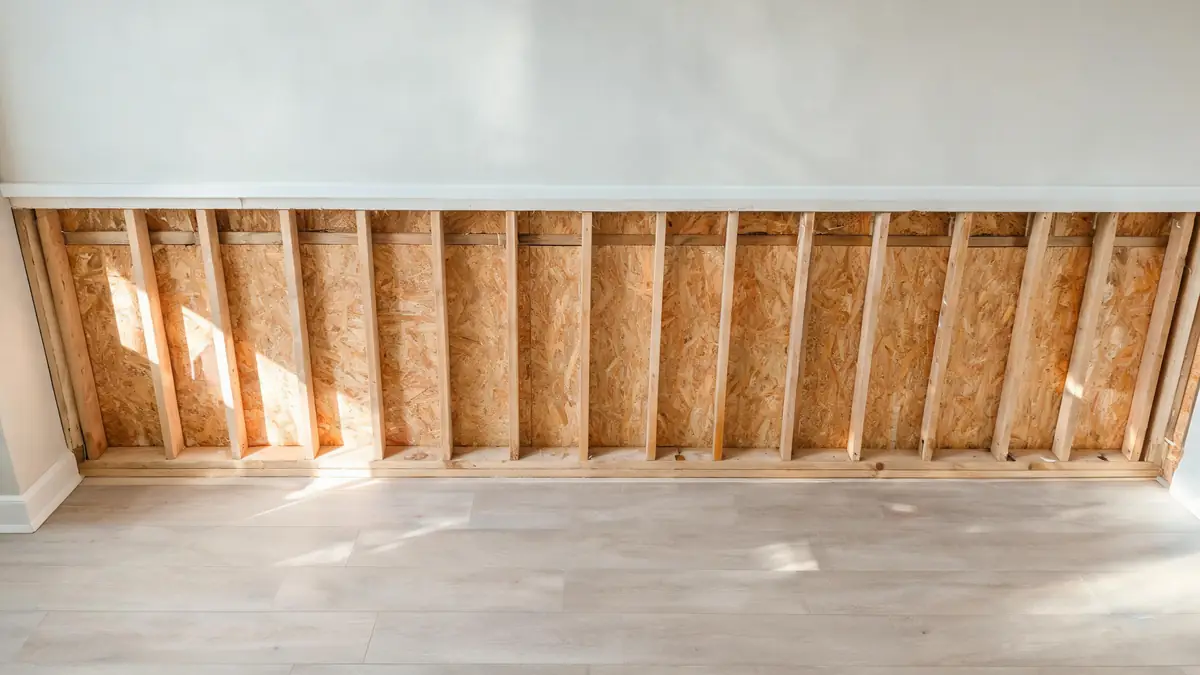
Wall cavities are dark, have little air flow and are full of materials mold likes: drywall paper, wood studs, insulation and dust. When a pipe, roof, window or tub leaks into a wall, the water often soaks the insulation and the back of the drywall first. The painted side may dry and look fine while the inside stays wet.
Owners who would rather not handle it themselves can call the crew here.
The EPA says mold can begin growing within 24 to 48 hours on wet materials. A wall cavity that stays damp for a week or more gives mold plenty of time to spread.
Signs of Mold Inside a Wall
- Musty or earthy odor in one room or closet, stronger near a certain wall.
- Stains that are yellow, brown or gray and spread over time.
- Bubbling, cracking or peeling paint or wallpaper.
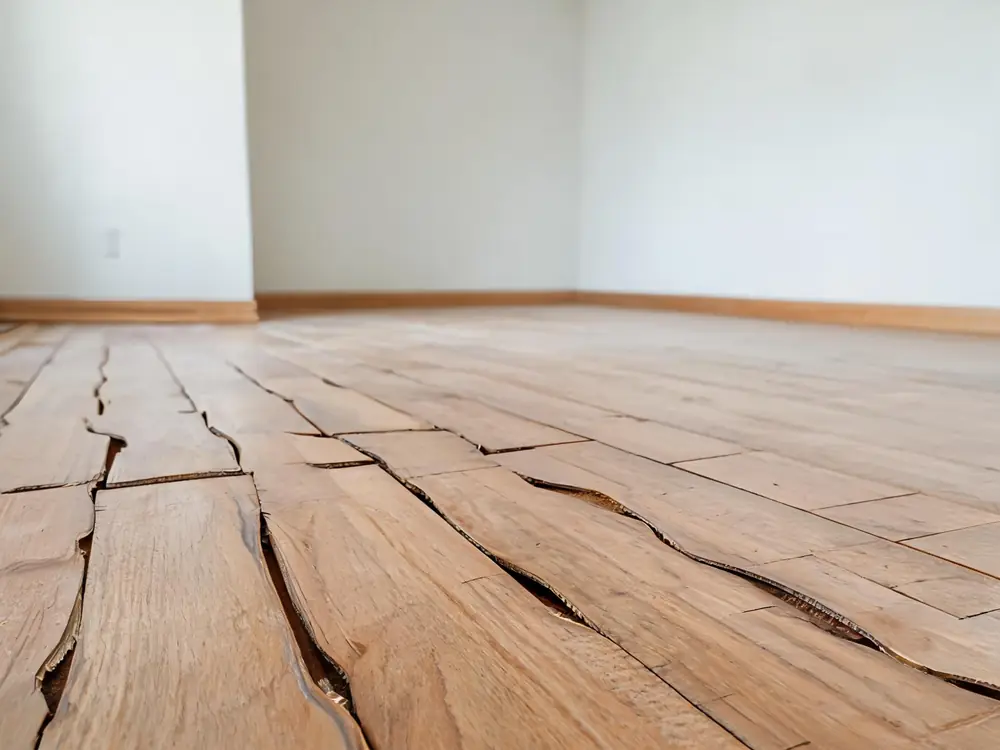
- Soft, bowed or crumbly drywall when pressed.
- Swollen baseboard or trim at the bottom of the wall.
- Dark spots at outlets or along the bottom edge of the wall.
- Allergy symptoms that are worse in one room. Talk with your doctor about any health concerns.
If a leak happened months ago and was fixed, but one of these signs appeared later, the wall likely did not dry fully.
How Pros Confirm Mold Without Tearing Everything Out
You should not have to open every wall to find out. A careful inspection narrows it down first.
| Tool or method | What it tells us |
|---|---|
| Pin and pinless moisture meters | Whether drywall, plaster and framing are wetter than normal, and how far the moisture spreads. |
| Thermal imaging camera | Cool spots that often line up with damp areas. It shows patterns, which are then checked with a meter. |
| Small inspection holes | A hole about the size of a coin, or removing an outlet cover, lets us look inside with a borescope. |
| Air or wall-cavity sampling | Can show whether mold spores inside the wall are elevated compared to outdoors, when visual checks are not enough. |
Tip: plaster walls in older homes read differently on moisture meters than drywall. Readings should be compared to a known dry wall in the same house.
What Remediation Looks Like
- Fix the leak. Nothing else matters if water keeps coming in.
- Set up containment. Plastic sheeting and zipper doors isolate the work area from the rest of the home.
- Run HEPA air filtration. Negative air pressure keeps spores from escaping the work area.
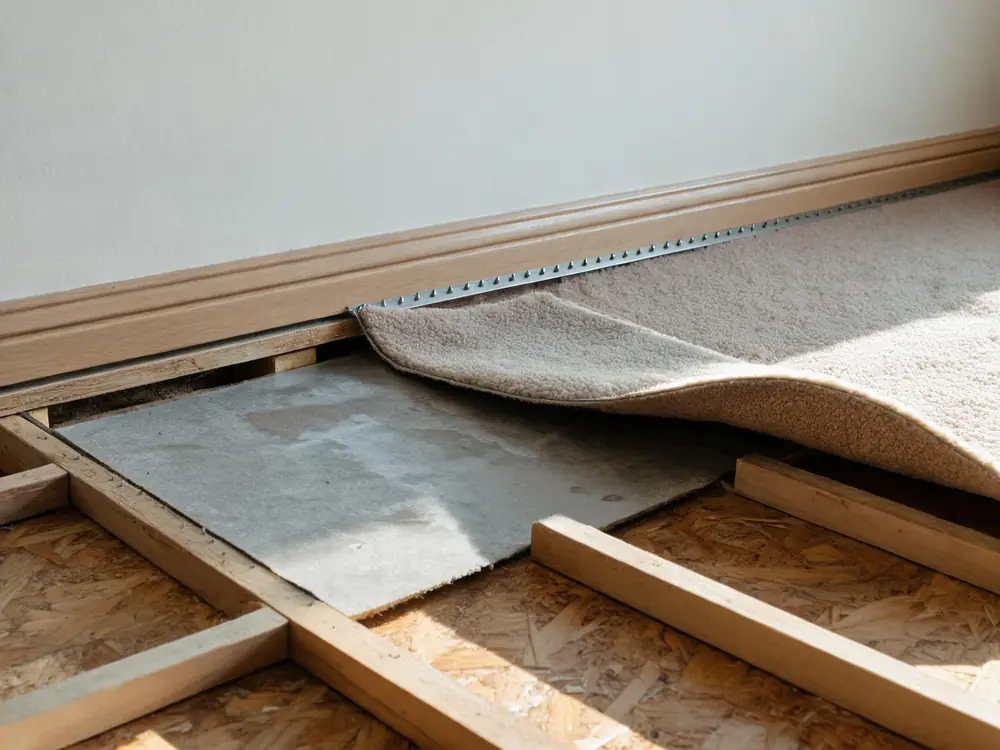
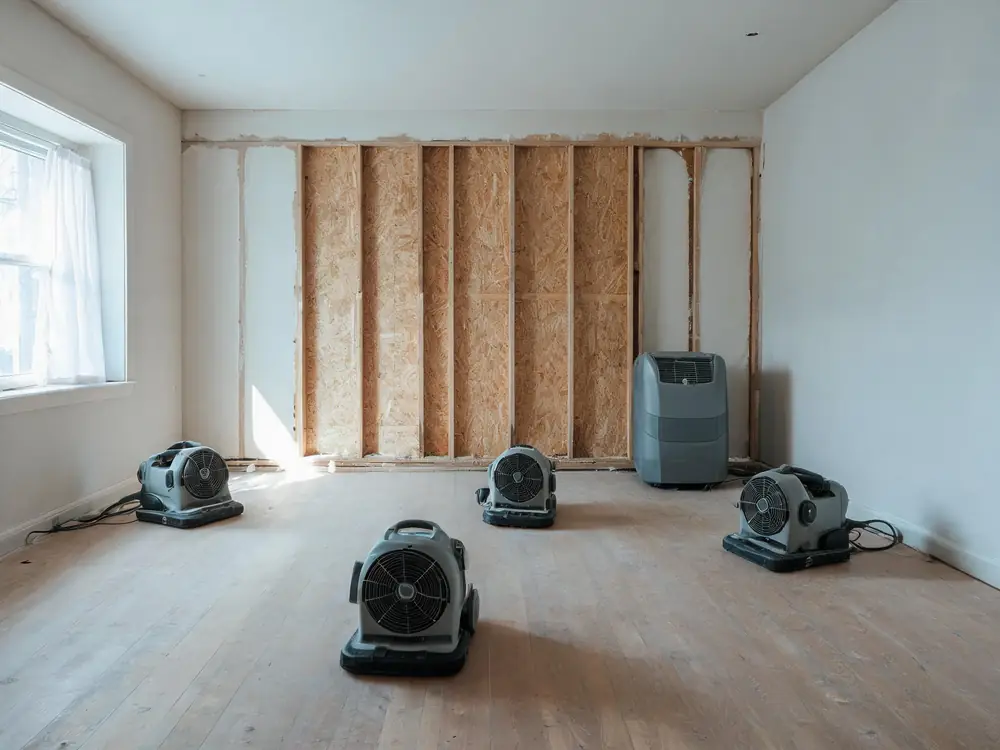
- Remove affected materials. Moldy drywall and wet insulation are cut out, usually with a margin past the visible growth.
- Clean the framing. Studs and plates are HEPA vacuumed and scrubbed or sanded as needed.
- Dry to normal moisture levels. Readings confirm the wood is dry before anything is closed up.
- Verify. A visual check and, when advised, independent clearance testing confirm the area is ready for new drywall.
This follows the general approach in the IICRC S520 standard and the EPA's mold remediation guide. The EPA suggests extra caution for areas larger than about 10 square feet.
Common Leak Sources Behind Walls
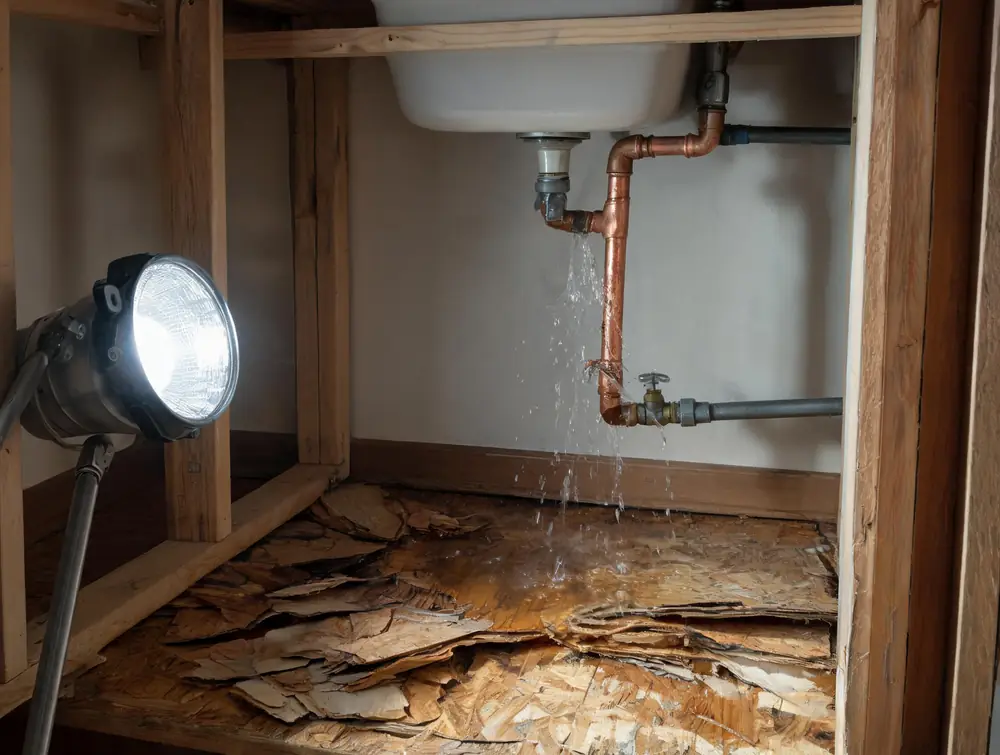
- Supply lines to showers, toilets and sinks.
- Drain lines in walls between floors.
- Pipes in exterior walls that froze and split during winter.
- Window flashing that lets rain run into the wall below.
- Roof leaks that travel down from the attic along framing.
- Ice dams that push water under shingles and into top plates.
When the leak starts at the roof, you often see the first signs overhead. Our guide to ceiling mold from a roof leak covers that case.
Historic Homes Need Extra Care
Much of downtown Gettysburg sits in the Gettysburg Historic District, where many homes have plaster walls on wood or metal lath and framing cut from old-growth lumber. That wood is dense and worth saving, and it can usually be cleaned and dried rather than replaced. Plaster can sometimes be dried in place, but plaster that has lost its bond to the lath or shows mold on the back must come out. Homes built before 1978 may also have lead paint, so any demolition should follow lead-safe practices.
When to Call a Professional
Call for help if you suspect mold inside a wall, smell mustiness after a past leak, or see stains or soft drywall. Opening walls without containment can spread spores through the house. Our water damage and mold restoration team serves Gettysburg around the clock at (717) 420-8919. We find where the moisture is, remove only what needs to go and dry the structure before rebuild.
That is the job covered by our water damage and mold restoration service.
For the wider context, start with How Fast Does Mold Grow After Water Damage?.