
Mold guide
Attic Ventilation to Prevent Mold: Soffit and Ridge Vents
Good attic ventilation to prevent mold comes down to one idea: let cool, dry outside air in low at the soffits and let warm, moist air out high at the ridge. In Gettysburg's humid summers and cold winters, a balanced system keeps the roof deck dry enough that mold can't get started.

By Dale Hoffman, Remediation Lead
Published
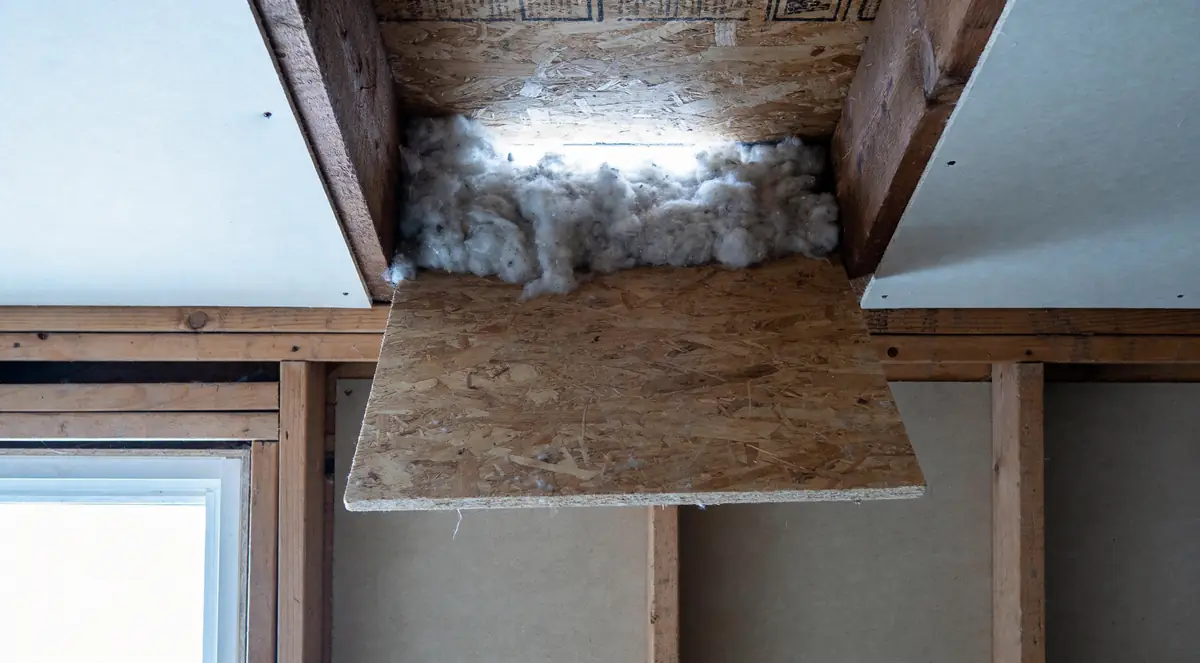
How Attic Ventilation Works
Air enters through soffit vents under the eaves, travels up along the underside of the roof deck and exits near the ridge. That steady flow does two jobs. In winter, it carries away moisture that leaks up from the house before it can condense on the cold sheathing. In summer, it lets out heat that would otherwise bake the attic.
Owners who would rather not handle it themselves can call Mold Remediation Gettysburg PA.
The key is balance. Intake and exhaust should be roughly equal, with intake equal to or a little more than exhaust. Too little intake and the exhaust vents may pull conditioned air up from your living space through ceiling leaks, bringing more moisture with it.
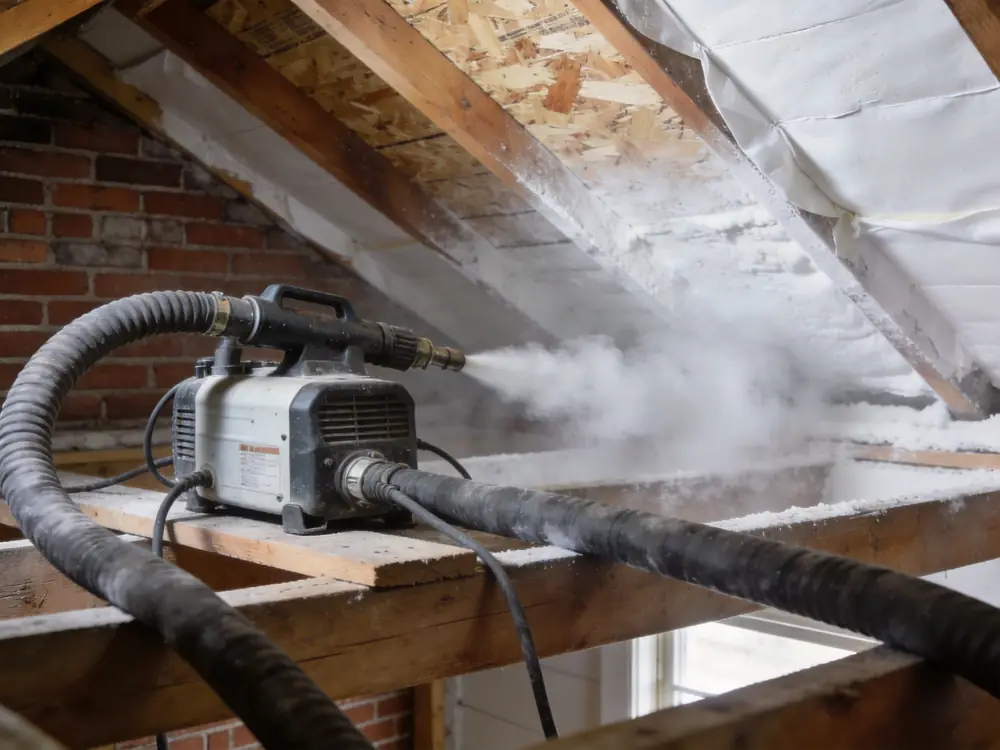
How Much Ventilation Do You Need?
The International Residential Code, which Pennsylvania's Uniform Construction Code is based on, uses these guidelines for vented attics:
| Situation | Net free vent area required | Example: 1,200 sq ft attic |
|---|---|---|
| Standard rule | 1 sq ft per 150 sq ft of attic floor | 8 sq ft total |
| Balanced intake and exhaust (and other conditions met) | 1 sq ft per 300 sq ft of attic floor | 4 sq ft total, split between high and low |
"Net free area" is the actual open area of a vent after screens and louvers, and it's printed on most vent packaging. A professional or roofer can confirm what your home needs.
Types of Attic Vents
Intake vents
- Continuous soffit vents: strips along the underside of the eaves. The most effective intake when they aren't blocked.
- Individual soffit vents: rectangular or round vents cut into the soffit. Common on older homes.
- Drip edge or fascia intake vents: used on homes with little or no soffit overhang.
Exhaust vents
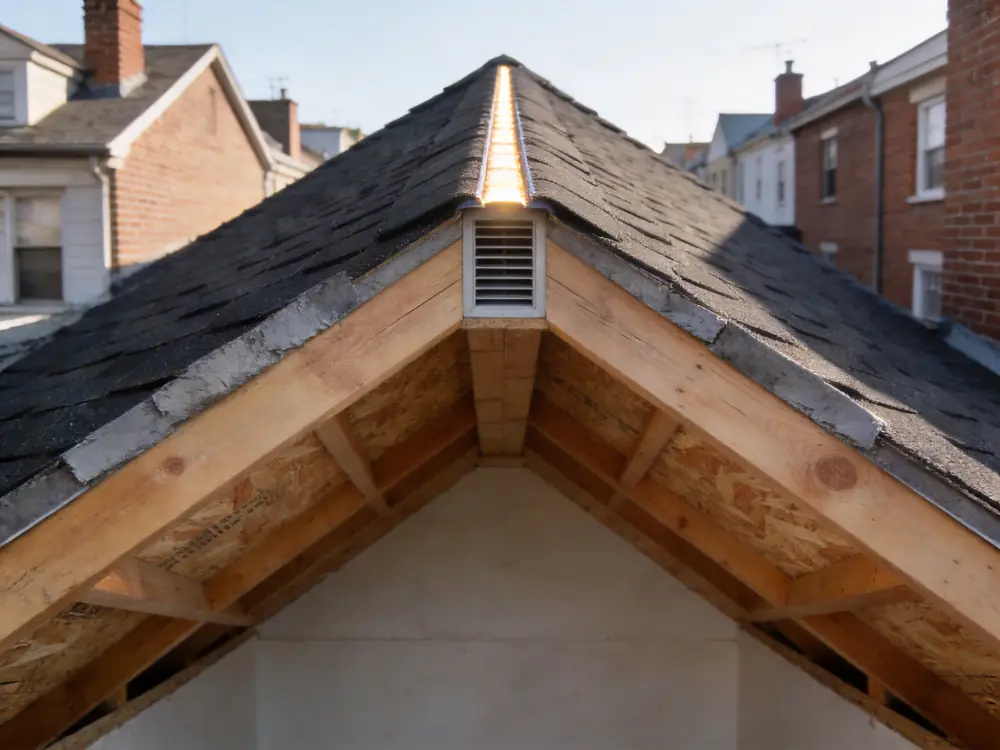
- Ridge vents: run along the peak and work well with soffit intake.
- Gable vents: louvered openings in the end walls, common on older Gettysburg houses.
- Box or roof louvers: individual vents near the ridge.
- Powered attic fans: useful in some cases, but they can depressurize the attic and pull moist air up from the house if intake is weak.
Mixing exhaust types, like a ridge vent plus gable vents, can short-circuit airflow so the lower roof deck gets little air. A pro can tell you if yours are working against each other.
How to Spot Blocked Soffits and Poor Airflow
You can check a few things yourself on a safe, cool day:
- Look into the eaves from inside the attic. If insulation is packed tight against the roof deck at the edges, the soffits are blocked. You should see baffles (vent chutes) creating an air channel.
- Look for daylight. With the attic light off, you should see some light coming in at the soffits.
- Check the outside. Soffit vents that were painted over or covered during a siding job don't work.
- Watch for frost. On cold mornings, frost on the underside of the roof deck or on nail tips means moisture isn't escaping.
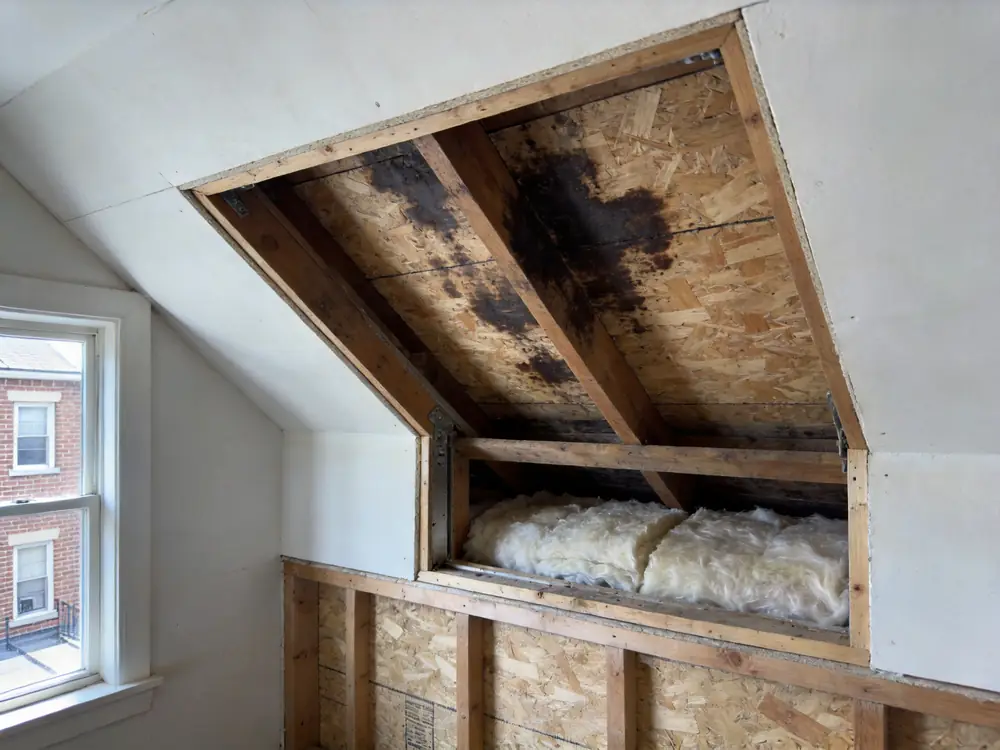
- Look for mold at the eaves. Dark staining along the lower roof deck often means stagnant air there.
Air Sealing: The Other Half of the Fix
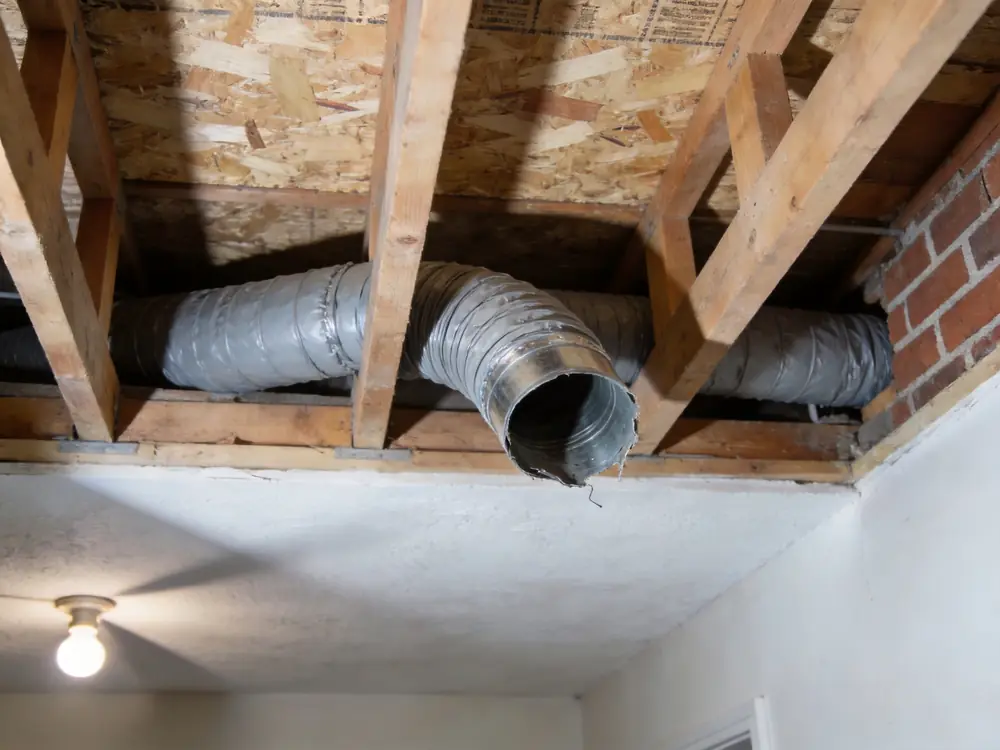
Ventilation removes moisture, but air sealing keeps it from getting into the attic in the first place. Warm air carries moisture up through gaps around recessed lights, wiring holes, plumbing stacks, chimney chases and attic hatches. Sealing those gaps with foam, caulk and weatherstripping, then adding insulation, is one of the most effective mold prevention steps. ENERGY STAR has homeowner guidance on sealing and insulating attics.
Inside the home, the EPA recommends keeping relative humidity below 60 percent, ideally between 30 and 50 percent. The drier the house, the less moisture reaches the attic.
Ventilation in Older Gettysburg Homes
Many homes in the Gettysburg Historic District were built with gable vents only, or with no designed ventilation at all. They often have little or no soffit overhang, several roof lines from additions and plaster ceilings with gaps at fixtures. Adding modern ventilation can be done, but new roof or soffit vents may change the look of the exterior. If you're in the historic district, check with the borough and the Historic Architectural Review Board (HARB) before changing exterior vents.
Sellers and buyers should know that poor ventilation often shows up as a finding on inspection reports, along with the mold it causes. If that's your situation, read about what to do with attic mold found at home inspection.
When to Call a Professional
If you already see mold, frost or damp insulation, ventilation alone won't clean it up. Our attic mold remediation service in Gettysburg removes existing growth with HEPA containment, then corrects bath fan venting, soffit blockage and airflow so the attic stays dry. Call (717) 420-8919, 24 hours a day.
For the wider context, start with Mold on Attic Plywood and Sheathing: Remove or Encapsulate?.