
Mold guide
Black Mold vs. Regular Mold: How to Tell the Difference
Black mold vs. regular mold is one of the first questions Gettysburg homeowners ask when they spot dark spots on a wall. The short answer is that you can't tell by looking, because many common molds turn black or dark green. What you can tell from a look is how big the problem is and what it's growing on, and that matters more for cleanup.

By Paula Reinhart, Inspection and Testing Lead
Published
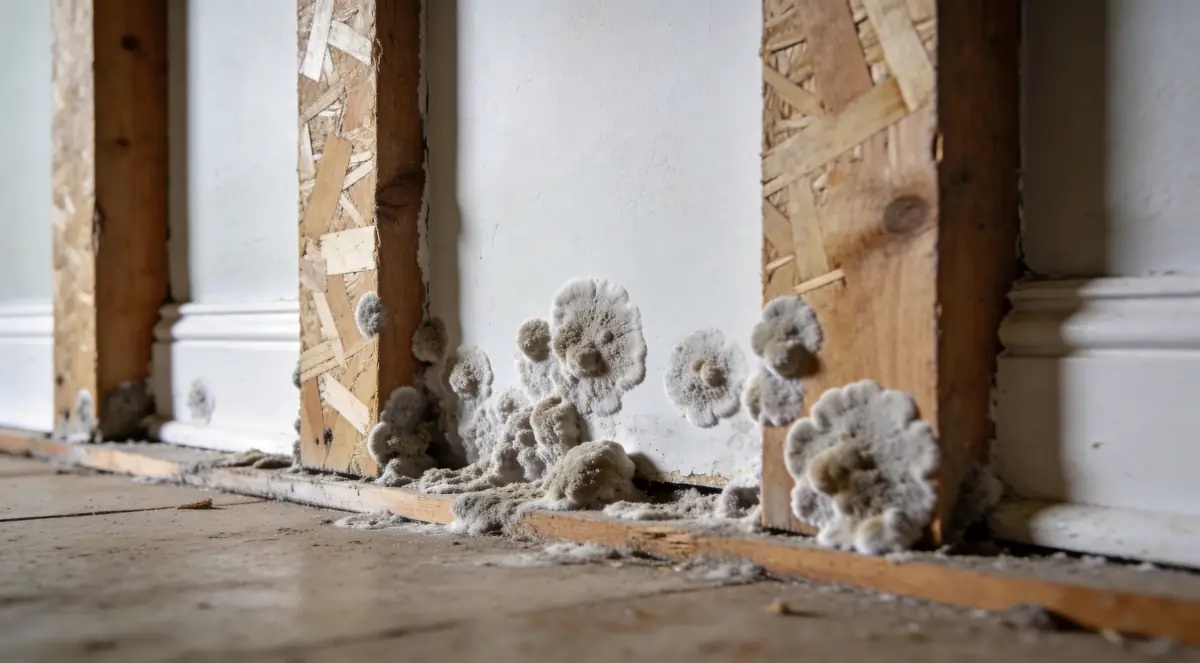
What People Mean by "Black Mold"
When someone says black mold, they almost always mean Stachybotrys chartarum. It's a dark green to black mold that feeds on cellulose, so it grows on drywall paper, wood, and ceiling tiles. It needs a lot of water, which is why it shows up after leaks and flooding instead of on a steamy mirror.
"Regular mold" is a catch-all for the many other molds found in homes. Some are green, white, gray, or pink. Several of them are black, which is where the confusion starts.
If it needs containment and HEPA filtration, mold remediation across Adams County handles that.
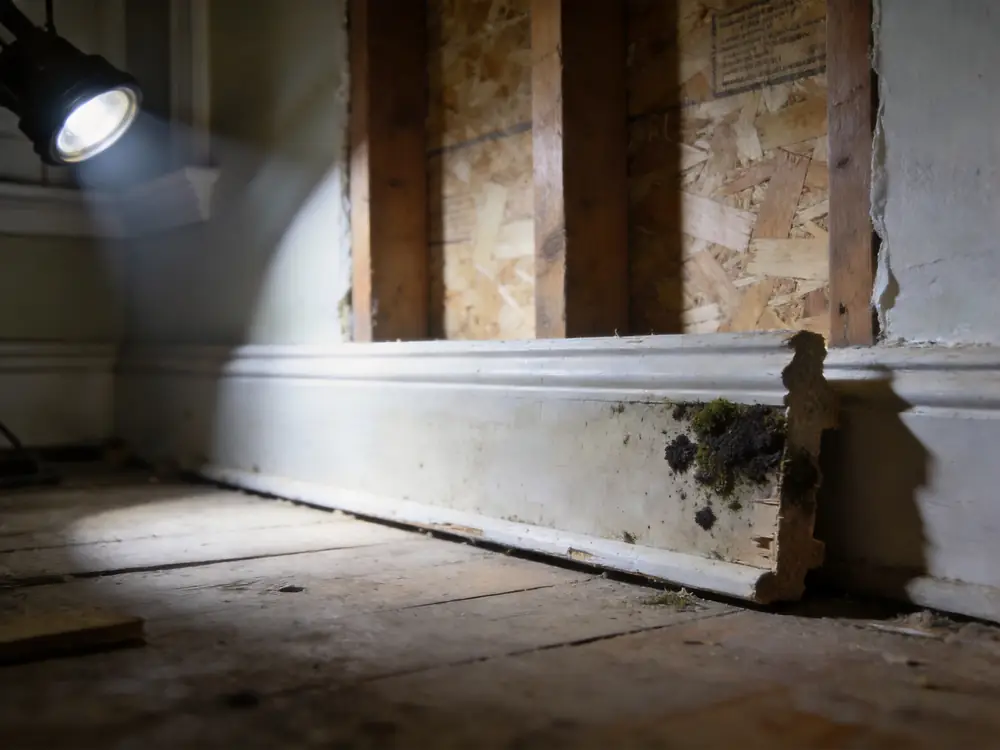
Dark Molds That Are Not Stachybotrys
| Mold | Typical color | Where it grows | Moisture need |
|---|---|---|---|
| Stachybotrys chartarum | Dark green to black, slimy when wet | Soaked drywall, wood, ceiling tiles | Very high, long-term wetting |
| Cladosporium | Olive green to black | Window sills, bathroom caulk, HVAC grilles, fabrics | Moderate; condensation is enough |
| Aspergillus niger | Black, powdery | Damp walls, food, dusty surfaces | Moderate |
| Alternaria | Dark green to black, velvety | Showers, under sinks, window frames | Moderate to high |
| Ulocladium | Black | Very wet areas, often alongside Stachybotrys | High |
For a wider look at the molds found in Pennsylvania houses, see our guide to common household molds.
Clues That Point Toward Stachybotrys
You can't confirm it without a lab, but some clues make Stachybotrys more likely:
- A clear water event. A leak, flood, or burst pipe that kept materials wet for a week or longer.
- Cellulose materials. Growth on drywall paper, wood, or cardboard, not on tile or glass.
- Slimy texture when damp. Many other molds look fuzzy or powdery; Stachybotrys often looks wet and glossy.
- Hidden locations. Back sides of drywall, wall cavities, and under flooring.
Clues that point toward a more common mold include growth on a window sill from condensation, spots on shower grout, or dusty dark growth on an air vent.
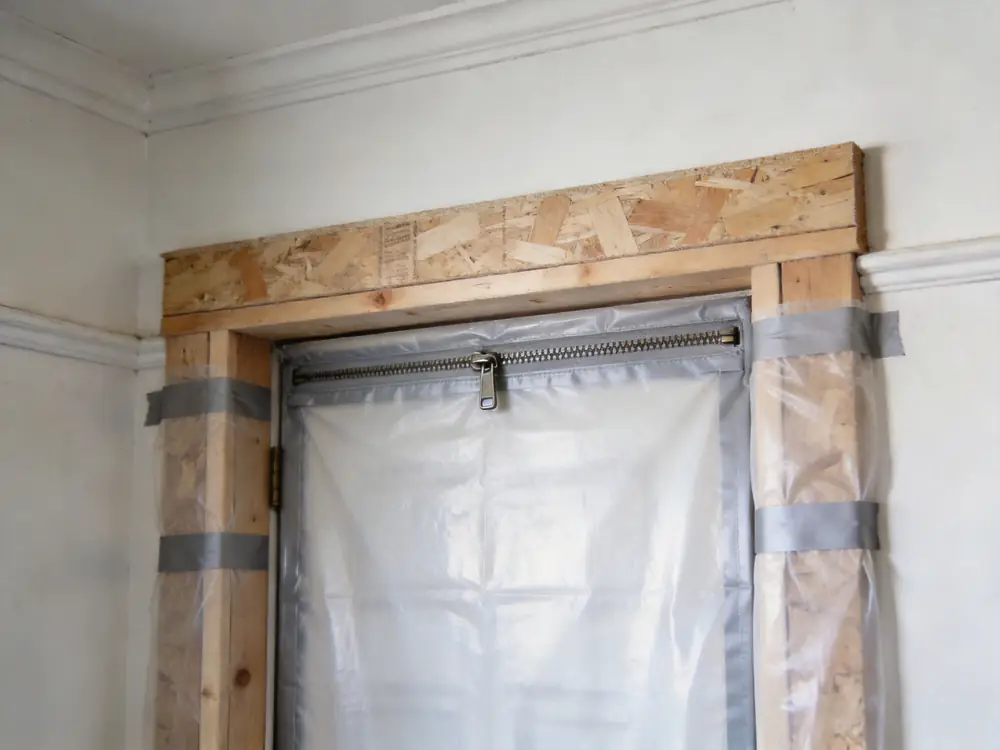
Why the Species Matters Less Than You Think
It's natural to want a name for what's on your wall. But the cleanup method depends on how much mold there is, what it's growing on, and whether the water problem is fixed. It doesn't change much based on species.
The EPA says all indoor mold growth should be removed, and that sampling is usually not needed when mold is visible. The EPA's Brief Guide to Mold, Moisture, and Your Home uses the same approach for all molds: fix the water, dry the area, clean hard surfaces, and throw out porous materials that are moldy.
Takeaway: Treat any mold patch larger than about 10 square feet as a professional job, whatever its color.
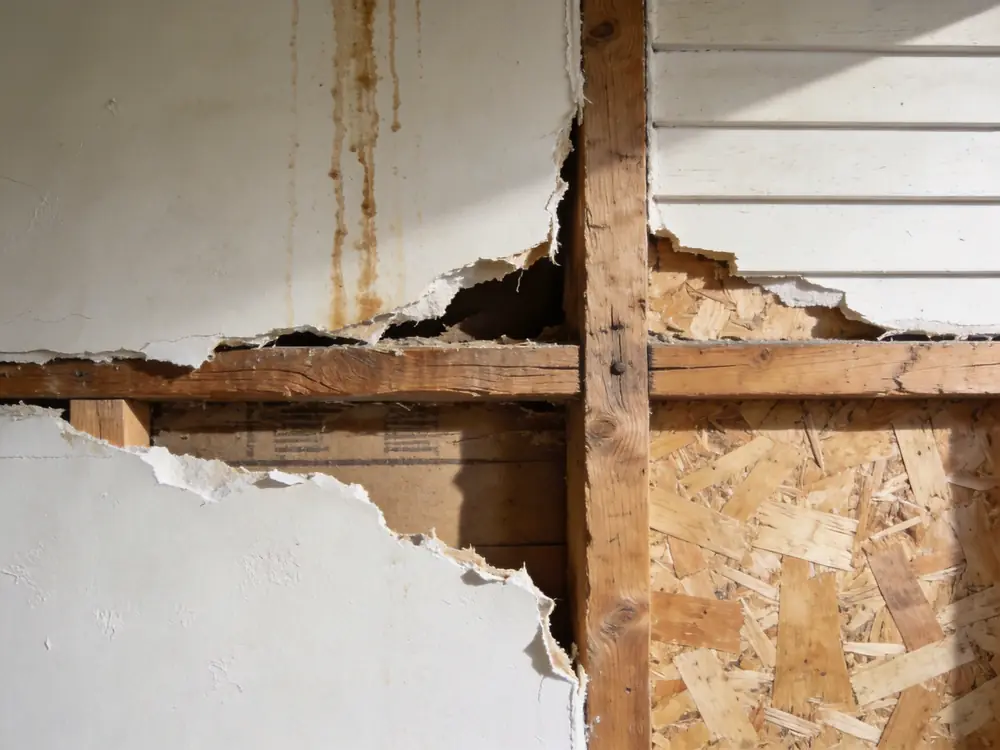
Health Differences
People want to know is black mold dangerous compared to other molds. The CDC says the common term "toxic mold" is misleading. Some molds, including Stachybotrys, can produce mycotoxins, but having mold in a home does not mean anyone will be exposed to toxins or get sick.
The CDC says exposure to damp and moldy environments, whatever the species, can cause stuffy nose, wheezing, and eye or skin irritation, and that people with asthma, allergies, or weakened immune systems can be more sensitive. See the CDC's mold page and talk with your doctor about any symptoms.
When Testing Makes Sense
Lab testing is useful when:
- You smell mold but can't find it
- You need documentation for a home sale, a landlord, or an insurer
- A doctor has asked what's in the home
- You want clearance testing after remediation
Home test kits often grow some mold from any room, since spores are always in the air. They can't tell you if levels are unusual. Our page on mold inspection and testing explains the options.
When to Call a Professional
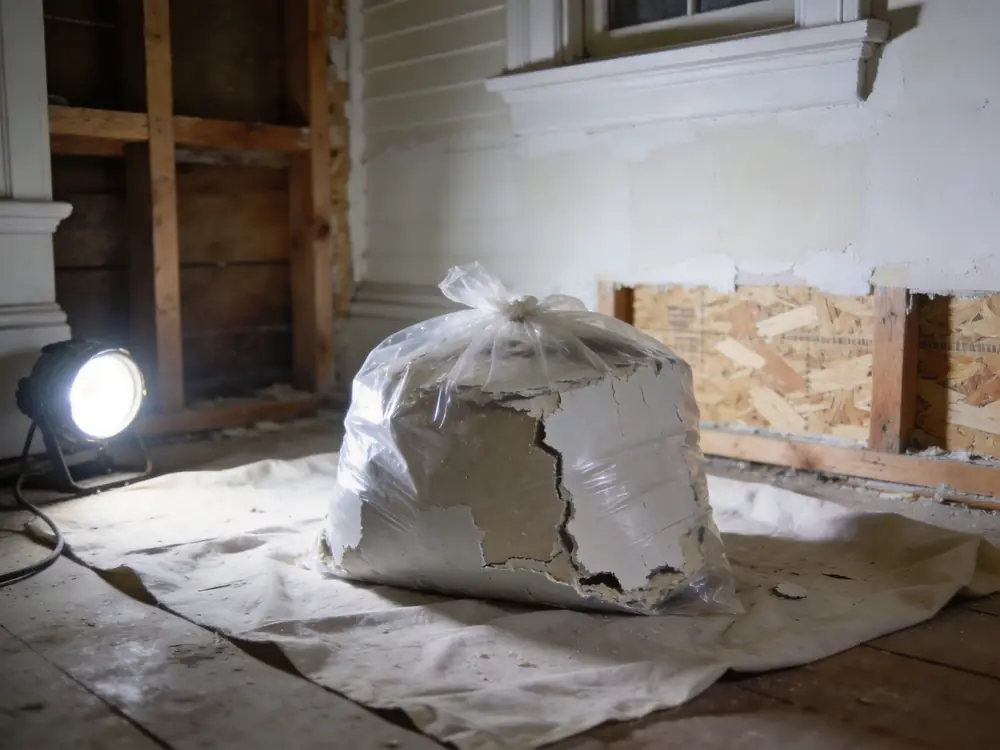
In Gettysburg's older homes, dark mold often traces back to damp stone foundations, patched plumbing, or roof leaks. If the patch is larger than about 10 square feet, keeps coming back, or appeared after flooding, call us. Our black mold removal service finds the moisture source, contains the area, and removes the growth safely. Call (717) 420-8919, 24 hours a day.