
Mold guide
Is It Safe to Stay Home During Mold Remediation?
It is usually safe to stay in your house during mold remediation when the work area is properly contained and kept under negative air pressure, but some Gettysburg households, and some larger jobs, call for leaving for a few days. Here is how to decide, and what containment does to protect your family and pets.

By Dale Hoffman, Remediation Lead
Published
How Containment Keeps the Rest of Your Home Clean
Disturbing mold releases spores and dust. Containment is what stops them from spreading. Under the IICRC S520 standard, a remediation crew typically:
Owners who would rather not handle it themselves can call our local crew.
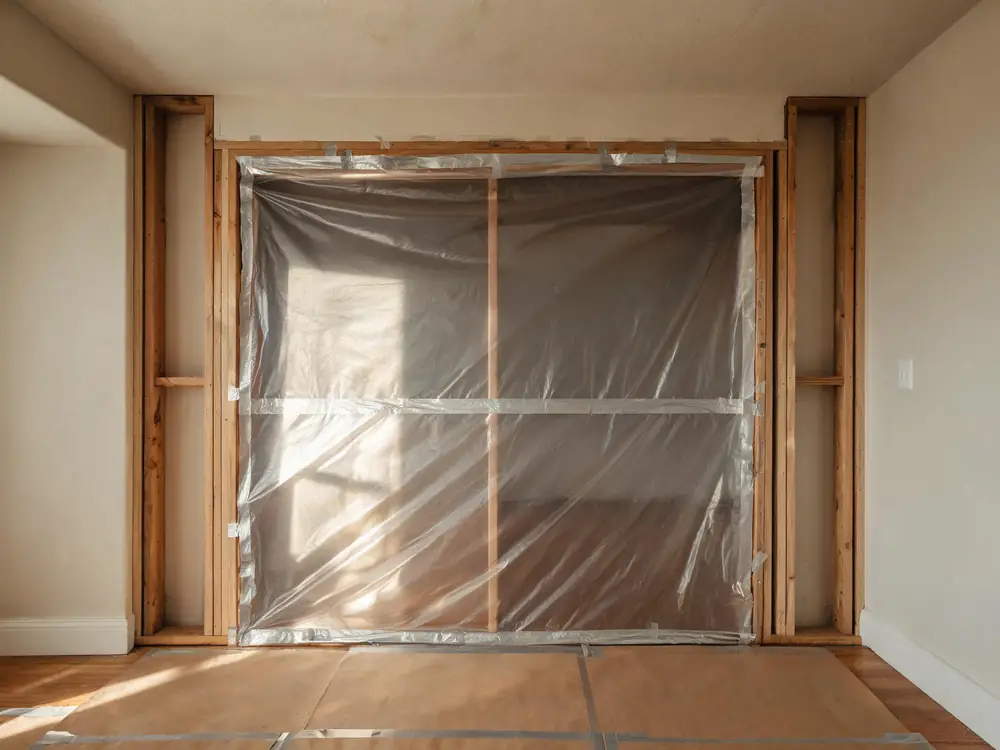
- Builds walls of 6-mil plastic sheeting around the work area.
- Installs a zipper door or airlock for entry.
- Seals HVAC supply and return vents inside the area so the system does not carry spores.
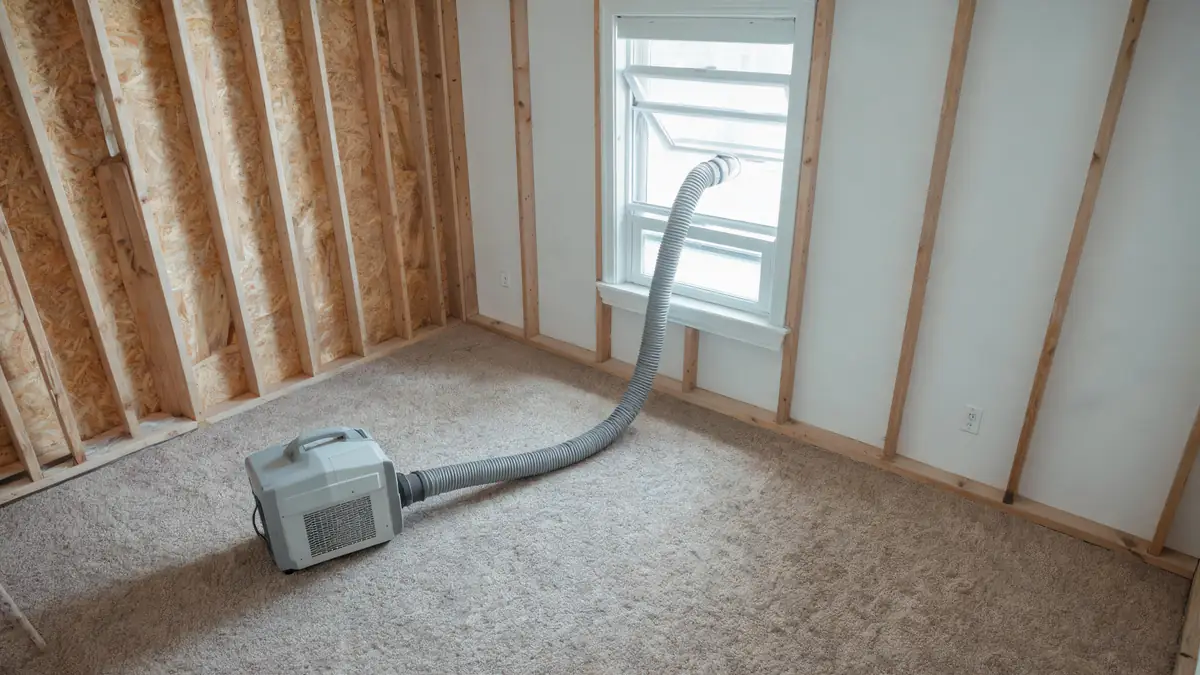
- Runs HEPA air scrubbers that exhaust air out of the zone, creating negative pressure so air flows in, not out.
- Bags debris inside the containment before carrying it out.
With this setup, the room being worked on is isolated from the rest of the house. You can see how each step fits in our mold remediation process.
When Staying Home Is Usually Fine
- The job is small or mid-sized and limited to one area, such as a bathroom, a closet, or part of a basement.
- The work zone is fully contained and has its own entrance, such as an exterior basement door.
- Everyone in the home is generally healthy.
- Your HVAC system is not part of the job, or it can be shut down and sealed.
When You Should Consider Leaving
| Situation | Why it matters |
|---|---|
| Someone has asthma, severe allergies, or a weakened immune system | The CDC notes these groups can react more strongly to mold |
| Infants, older adults, or pregnant household members | Extra caution is reasonable; ask a doctor |
| Whole-home or multi-room job | Less clean space and more noise and traffic |
| Work in the kitchen, the only bathroom, or bedrooms | Daily life is disrupted even if air stays clean |
| HVAC or ductwork remediation | Heat or AC may be off for a day or more |
| Sewage or flood water involved | Bacteria add to the risk |
For health questions, the CDC's mold information is a good starting point, but your own doctor is the right person to ask.
What About Pets?
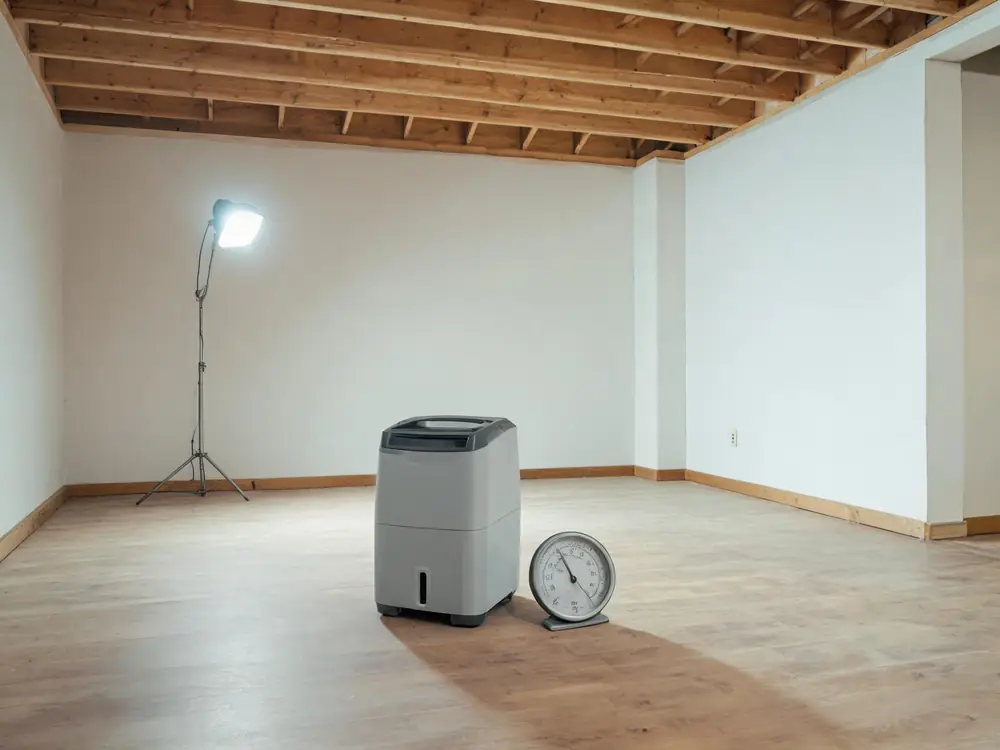
Pets are curious and do not understand plastic walls. Keep them out of the work area and away from crews moving in and out. Birds are very sensitive to airborne particles, so moving them to another room or to a friend's house is a good idea. Many owners board dogs and cats for noisy days, when air scrubbers and dehumidifiers run around the clock.
Tips If You Stay Home
- Stay out of the containment. Never unzip the door to "check on things."
- Keep interior doors to the work area closed.
- Do not run the HVAC system unless the crew says it is sealed and safe to use.
- Move clothing, bedding, and food away from rooms next to the work zone.
- Expect steady noise from air scrubbers and dehumidifiers, including overnight.
- Ask for a daily update so you know when demolition, the dustiest phase, is happening.
Why DIY Jobs Are Riskier to Live Through
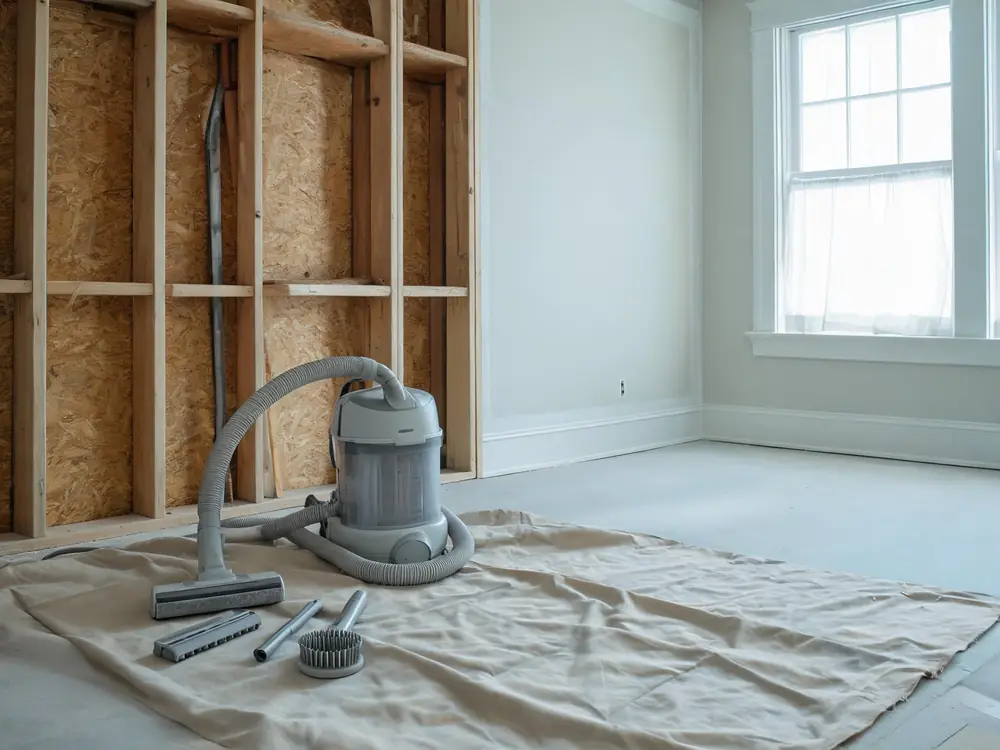
The biggest spread of spores usually comes from well-meaning homeowners scraping or tearing out moldy material without containment. A shop vacuum without a HEPA filter can blow spores through the house. If you are thinking about DIY mold remediation, keep it to small areas under about 10 square feet, as the EPA suggests, and wear gloves, goggles, and an N95 respirator.
A Gettysburg Note
Many Gettysburg homes have basements with an outside entrance, which makes staying home easier because crews never walk through the living space. Older homes near the historic downtown sometimes have attic access only through a bedroom closet, which may mean that room is off-limits for a few days. Your crew should plan the route before work begins.
When to Call a Professional
If the job is bigger than a small patch, or anyone in your household is sensitive to mold, a contained professional job is the safest way to keep living at home. Read our mold remediation process to see how we set up containment, or call (717) 420-8919 any time.
This one comes up on more than one kind of job: black mold removal in Gettysburg, basement and crawl space mold remediation, attic mold remediation and how our remediation process works.
This sits inside a bigger picture, covered in What Is Mold Remediation? A Guide for Gettysburg Homeowners.