
Mold guide
DIY Mold Remediation: When It's Safe and How to Do It
DIY mold remediation is reasonable for small patches under about 10 square feet on surfaces you can reach and clean, as long as you wear the right protection and fix the moisture that caused it. This guide gives Gettysburg homeowners the EPA's size rule, a gear list, a safe step-by-step, and clear signs it is time to stop and call a pro.

By Dale Hoffman, Remediation Lead
Published
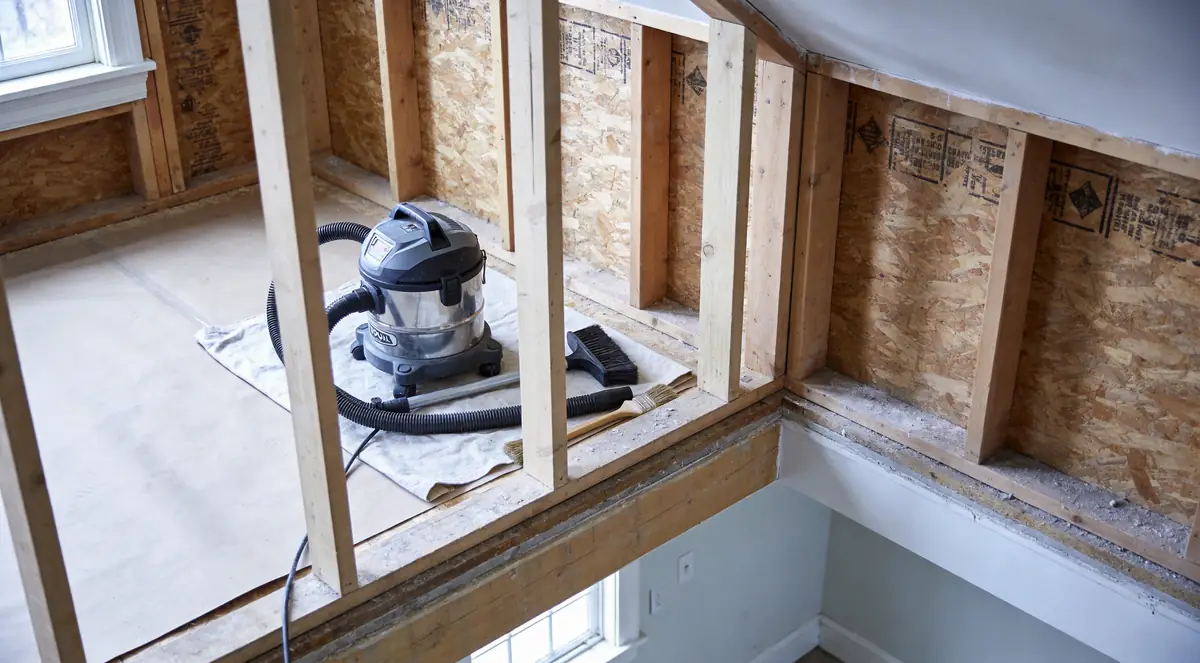
The EPA's 10-Square-Foot Rule
The EPA's guide to mold and moisture uses 10 square feet as the line. Below that, most people can handle cleanup themselves. Above it, the EPA recommends following its guidance for larger jobs, which in practice means professional containment and air filtration.
The rule is a starting point, not a free pass. A 6-square-foot patch inside a wall cavity is a different job than a 6-square-foot patch on a basement block wall. Size, location, and cause all matter.
When it is past the point of a bucket and a fan, our restoration team can scope the job.
When DIY Is a Bad Idea
- The mold covers more than about 10 square feet, or you suspect it goes behind the surface.
- The water came from a sewer backup, a flooded creek, or other contaminated water.
- Mold is in your furnace, air handler, or ductwork. Running the system can spread spores.
- You or someone at home has asthma, allergies, or a weakened immune system. Check with a doctor first.
- The mold returns after you clean it. That means the moisture source is still active.
- The home was built before 1978 and you would be sanding or cutting painted surfaces, which may contain lead paint. Many Gettysburg historic homes fall in this group.
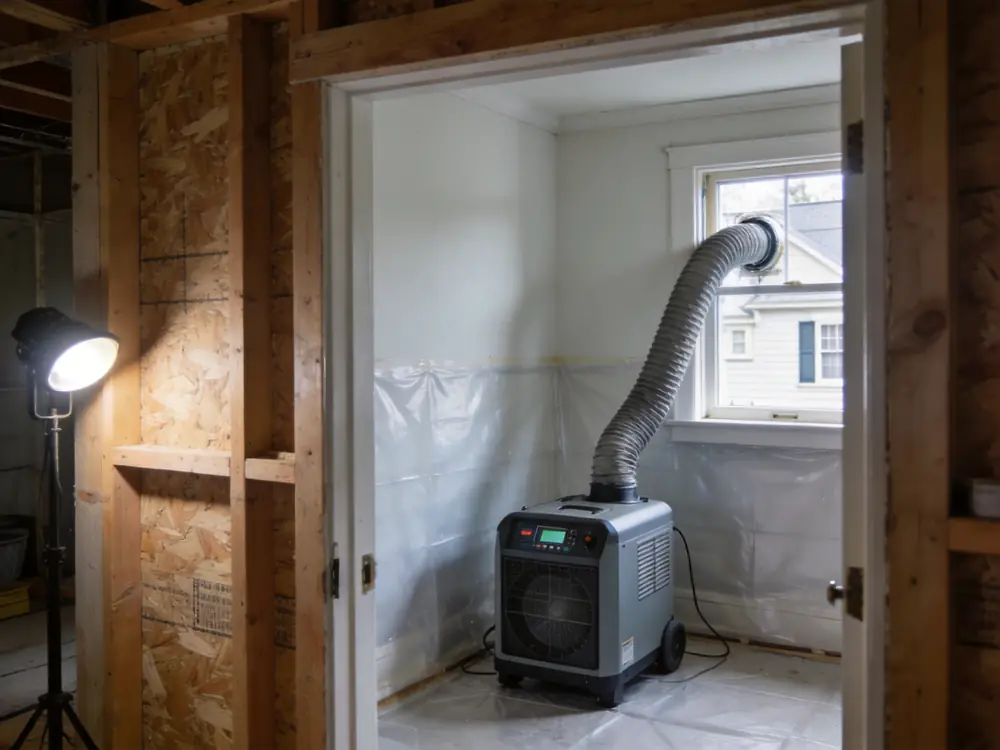
Gear You Need
| Item | Why |
|---|---|
| N95 respirator (or better) | Filters spores and dust; a basic dust mask does not seal well enough |
| Long nitrile or rubber gloves | Keeps mold and cleaner off your skin |
| Goggles without vent holes | Keeps spores out of your eyes |
| Old clothes or disposable coveralls | Wash separately or discard after |
| Heavy plastic bags (3 mil or thicker) | For sealing debris before it leaves the room |
| Spray bottle, scrub brush, detergent | For cleaning hard surfaces |
| HEPA vacuum | A regular shop vac can blow spores around |
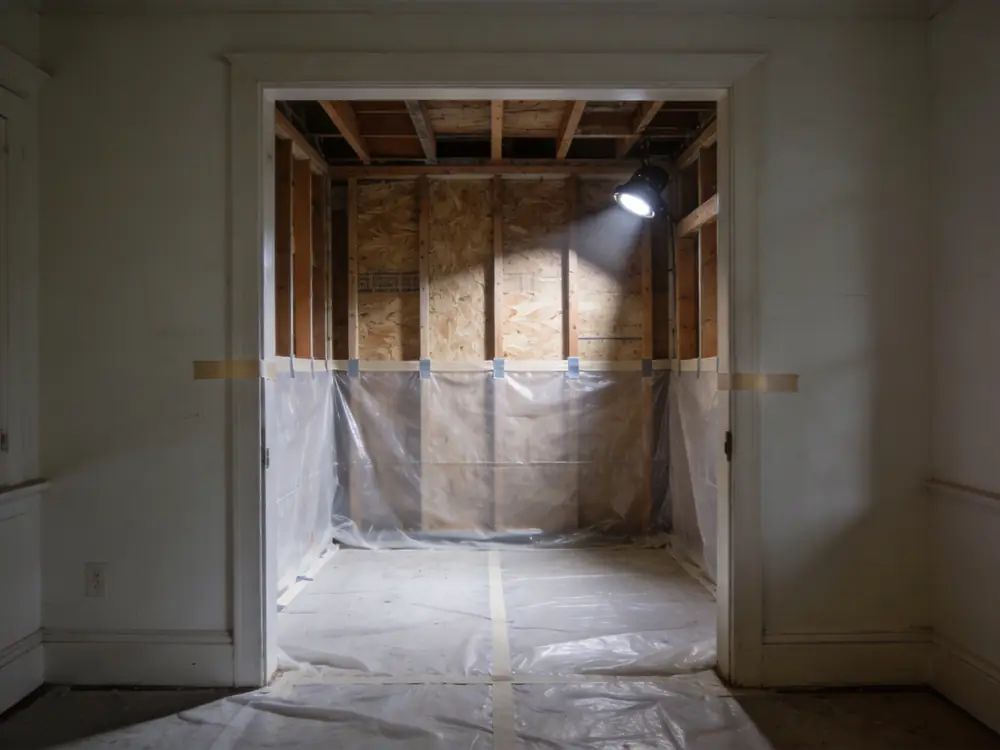
| Plastic sheeting and painter's tape | To seal doorways and vents |
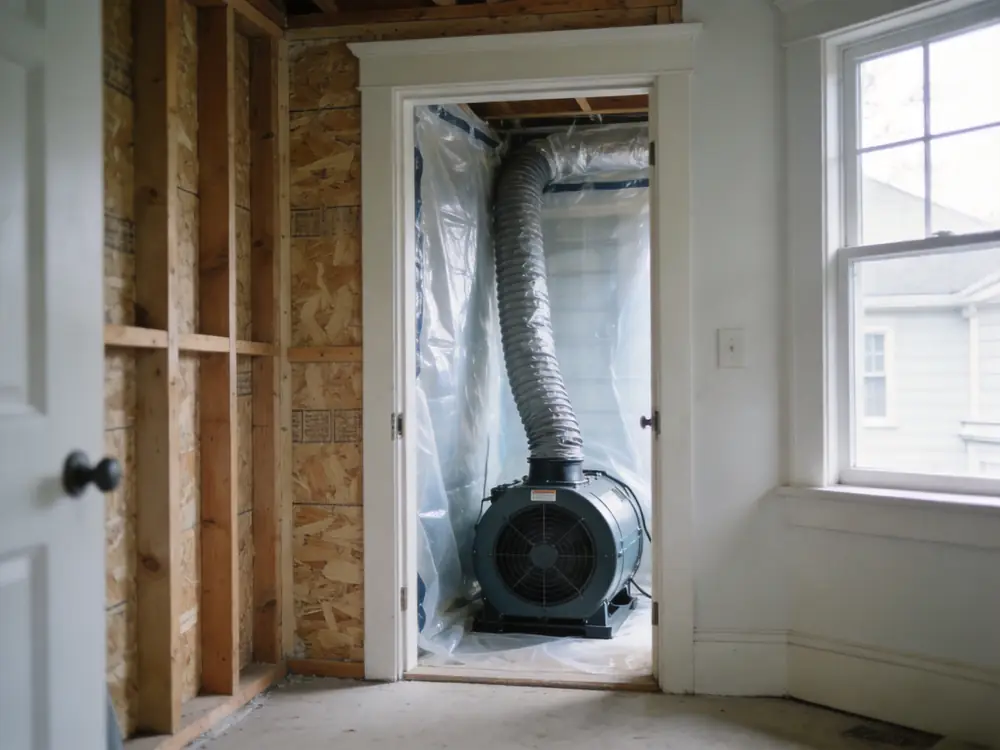
Step-by-Step: Safe DIY Mold Cleanup
- Find and stop the water. Fix the leak, drain line, or humidity problem first. Cleaning mold without fixing the source is wasted effort.
- Set up the room. Close doors, tape plastic over doorways and HVAC vents, and turn off the heating or AC. Put a box fan in a window blowing out if there is one.
- Put on your gear before you touch anything.
- Mist the mold lightly with water. Damp mold releases fewer spores than dry mold.
- Remove porous materials. Moldy carpet, ceiling tile, cardboard, and drywall with growth should be cut out, not cleaned. Bag them right there and seal the bags.
- Scrub hard surfaces such as tile, concrete, glass, and sealed wood with detergent and water. Rinse, then dry.
- HEPA vacuum the area and nearby surfaces once dry.
- Dry everything fast. Use fans and a dehumidifier. Wet materials should be dry within 24 to 48 hours.
- Check again in a week. Look and smell for any return. If it comes back, stop and call a pro.
What to Clean With (and What to Skip)
Detergent and water work well on hard surfaces because the goal is removing mold, not just killing it. Dead mold is still an allergen. The EPA notes that a biocide such as chlorine bleach is not usually needed in routine cleanup.
If you do use bleach on a hard, non-porous surface, never mix it with ammonia or other cleaners, since the mix makes toxic gas. Bleach does not reach mold roots in wood or drywall. Our article on what permanently kills mold compares bleach, vinegar, hydrogen peroxide, and commercial products. Also see does bleach kill mold for more on why pros avoid it on porous materials.
Skip these common mistakes:
- Painting over mold. It grows back under the paint.
- Dry brushing or scraping without misting first.
- Using a regular vacuum or shop vac on moldy debris.
- Running the HVAC while you work.
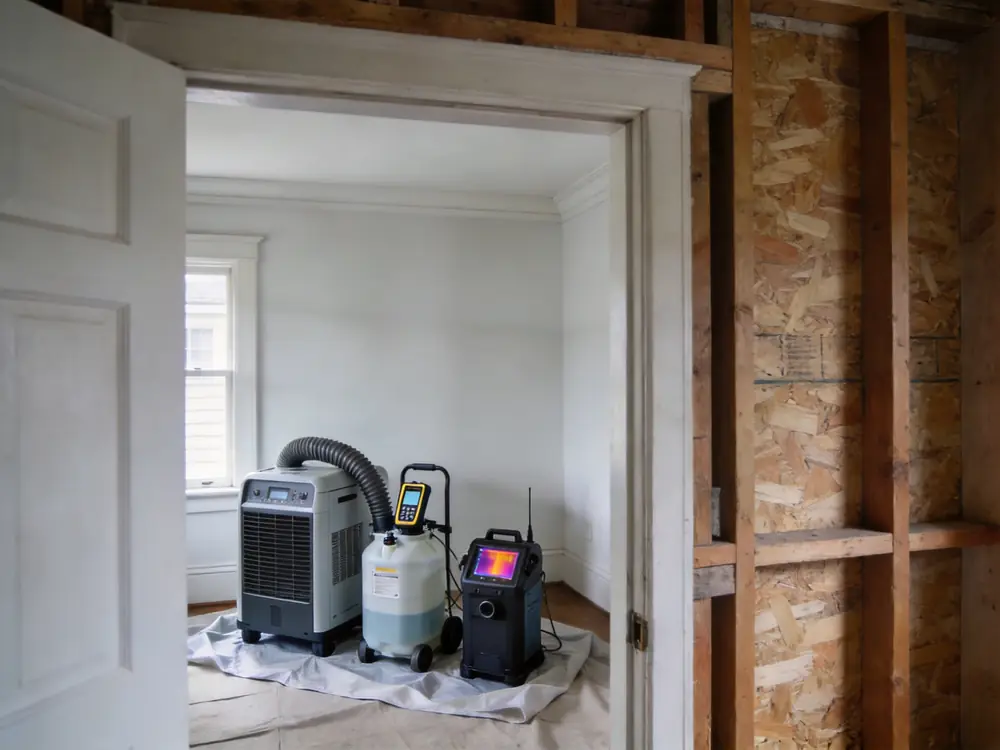
What About Black Mold?
Dark mold is not always Stachybotrys, the mold people mean by "black mold," and color alone does not tell you the species. The cleanup approach is the same either way: size and location decide DIY vs. professional. If you are dealing with dark, slimy growth on drywall after a long leak, read about removing black mold yourself before you start.
DIY in Gettysburg Homes
Common DIY-sized jobs in Gettysburg include mildew on bathroom ceilings in homes without exhaust fans, small spots on basement block walls in humid August, and window sill mold from winter condensation in older single-pane windows. Those are manageable. Fieldstone basement walls are harder, since the stone and mortar are porous and moisture keeps wicking through. For those, controlling humidity with a dehumidifier set around 50% often matters more than scrubbing.
When to Call a Professional
If the area is over 10 square feet, hidden, in your HVAC, or keeps coming back, it is time for a contained professional job. See how containment, HEPA filtration, and clearance testing work in our mold remediation process, or call (717) 420-8919. We answer 24 hours a day.
That is the job covered by our water damage and mold restoration service.