
Mold guide
Mold Under Hardwood, Laminate and Vinyl Flooring: Signs and What to Do
Mold under flooring usually shows up first as a change in the floor itself: boards that cup, seams that swell, soft spots, or a musty smell near the baseboards. Hardwood, laminate and vinyl each trap moisture in a different way, and the subfloor underneath (concrete slab or wood over a crawl space) decides how bad it gets and whether the floor has to come up.

By Dale Hoffman, Remediation Lead
Published
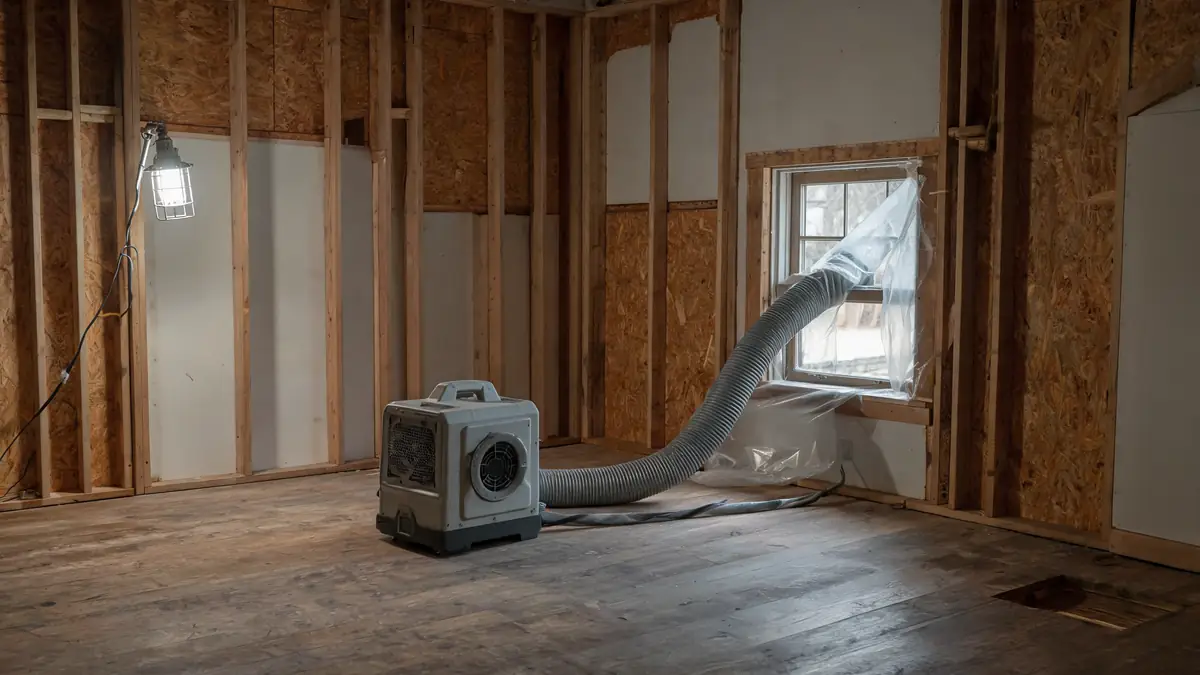
Signs of Mold Under Your Floor
Floors rarely show mold directly. They show the moisture that feeds it. These are the signs we look for first:
- Cupping: hardwood board edges sit higher than the middle. The underside is wetter than the top.
- Crowning: the center of the board is higher than the edges. This often follows a cupped floor that dried or was sanded.
- Swollen seams: laminate edges puff up and form ridges that do not go back down.
- Soft or spongy spots: the subfloor under the finish floor is wet, delaminating or decaying.
- Lifting or loose vinyl: glue lets go when moisture builds up between the vinyl and the subfloor.
- Musty odor at floor level: strongest near baseboards, under furniture, or when you kneel down.
- Dark staining at edges: discoloration along baseboards, thresholds or around floor registers.
A smell with no visible growth is a common first clue. Our guide on a musty smell with no visible mold explains where else to look before you start pulling up boards.
The EPA notes that mold can hide on the underside of carpets and pads, and the same is true for floating floors and their underlayment. If the surface looks fine but the smell will not go away, the problem is often underneath.
Why Each Floor Type Traps Moisture Differently
The finish floor controls how fast water gets in and how fast it can get out. That is why the same leak can cause minor damage under one floor and serious mold under another.
Solid and engineered hardwood
Wood absorbs and releases moisture. That is both the problem and the advantage. Hardwood swells when it gets wet, which causes cupping, but it can also dry if the water source is stopped quickly.
Solid hardwood nailed to a wood subfloor is the most forgiving. Engineered hardwood has a thin wood veneer over a plywood or fiberboard core, and some cores do not tolerate soaking well.
Laminate
Laminate is a photo layer and wear coat on top of a high-density fiberboard core. The top resists spills, but the core acts like a sponge at the edges. Once the core swells, it does not shrink back.
Most laminate floats over a foam or felt pad. That pad can hold water against the subfloor for a long time, out of sight.
Vinyl plank, vinyl tile and sheet vinyl
Vinyl itself does not absorb water, so it is often sold as waterproof. The catch is that water still gets in at seams, edges, thresholds and from below. Vinyl then acts like a lid. Moisture underneath has nowhere to go, and it can stay wet for weeks.
Glued-down vinyl over concrete can trap moisture rising from the slab. Floating vinyl plank over an attached pad can trap water from a leak above.
| Floor type | How water gets in | How it dries | Typical warning sign |
|---|---|---|---|
| Solid hardwood | Absorbs from top, edges and below | Slowly, but it can dry in place | Cupping, gaps, dark stains |
| Engineered hardwood | Edges and core from below | Depends on the core; some delaminate | Cupping, veneer lifting |
| Laminate | Edges and seams into the fiberboard core | Poorly; swelling is permanent | Puffed seams, soft edges |
| Vinyl plank or tile | Seams, edges, thresholds, slab moisture | Very slowly; the vinyl blocks drying | Lifting, odor, loose planks |
| Sheet vinyl | Edges, seams, from the subfloor | Very slowly | Bubbles, stains showing through |
Slab Floors vs Crawl Space Subfloors
What sits under the flooring matters as much as the flooring itself. Gettysburg homes have both, often in the same house when an addition was built on a slab next to an older section over a crawl space or basement.
Concrete slabs and basement floors
Concrete is porous. Moisture from the soil can move up through a slab, especially in basements and older slabs poured without a vapor barrier underneath. In spring, when the water table rises in low parts of Adams County, slab moisture can climb.
Flooring installed directly on a damp slab can trap that moisture. Laminate and vinyl over a basement slab without a proper moisture barrier are frequent sources of hidden mold in finished basements.
Wood subfloors over crawl spaces and basements
Plywood or OSB subfloors sit on joists. Their underside faces the crawl space or basement air. If that air is humid, the subfloor stays damp from below, and the finish floor reacts with cupping or odor.
In older borough homes, the subfloor may be wide plank boards over a damp crawl space or fieldstone basement. Check the framing from below. Our guide to mold on floor joists covers what you might see down there, and encapsulation vs a vapor barrier covers how to keep that air dry.
Common Causes We See Under Floors
Most under-floor mold traces back to one of a few sources. Finding which one is the first job.
- Slow plumbing leaks: dishwasher supply lines, refrigerator ice maker lines, toilet wax rings and sink drains.
- Appliance overflows: washing machines and water heaters on upper floors.
- Pet accidents and mopping: repeated wetting at seams in laminate and vinyl.
- Exterior water: patio doors, slider tracks and thresholds that leak in heavy rain.
- Humid crawl spaces: summer air under the house keeps the subfloor damp.
- Slab moisture: basement floors without a proper barrier under the finish floor.
- Floods and backups: any time water stood on the floor, even briefly.
A hidden supply line leak can run for months before anyone notices. Our guide on how to find a hidden water leak walks through simple checks, like reading the water meter with every tap off.
How to Check Without Tearing Everything Up
You can learn a lot before removing a single board. A moisture meter and a little patience go a long way.
- Map the damage. Walk the floor in socks and mark soft spots, raised seams and cupped areas.
- Check from below. If there is a basement or crawl space, look at the subfloor and joists under the problem area.
- Use a moisture meter. Compare readings in the problem area against a dry area of the same floor.
- Pull a threshold or vent cover. Floor registers and transition strips are easy to remove and let you see the edge of the subfloor.
- Remove one baseboard. This shows the bottom of the drywall and the edge of the flooring and pad.
Meter readings vary by material, so the number alone does not tell the whole story. Our guide to moisture meter readings explains how to compare wet and dry areas. During a professional mold inspection, we use moisture meters, a hygrometer and thermal imaging to map the wet area before anything is removed.
When the Flooring Has to Come Up
Not every wet floor needs to be removed. The EPA advises drying wet materials within 24 to 48 hours, and in most cases mold will not grow if that happens. After that window, or once mold is present, the decision depends on the material.
Usually removed
- Laminate with swollen edges or seams
- Foam or felt pad that got wet
- Vinyl plank or sheet vinyl with mold growth on the back or on the underlayment
- Any flooring soaked by sewage or flood water from outside
- Subfloor that is soft, delaminated or decayed
Sometimes saved
- Solid hardwood caught early, if it can be dried and the cupping settles
- Glued-down vinyl or tile where the water stayed on top and the subfloor is dry
- Plywood subfloor with light surface growth that can be cleaned, dried and confirmed dry
The same thinking applies to carpet. Our guide on whether moldy carpet can be cleaned or must be replaced covers padding and tack strip in more detail.
What Remediation Looks Like
When flooring has to come up, the process follows the same steps as any mold job, with extra attention to the subfloor.
- Stop the water source and confirm it is fixed.
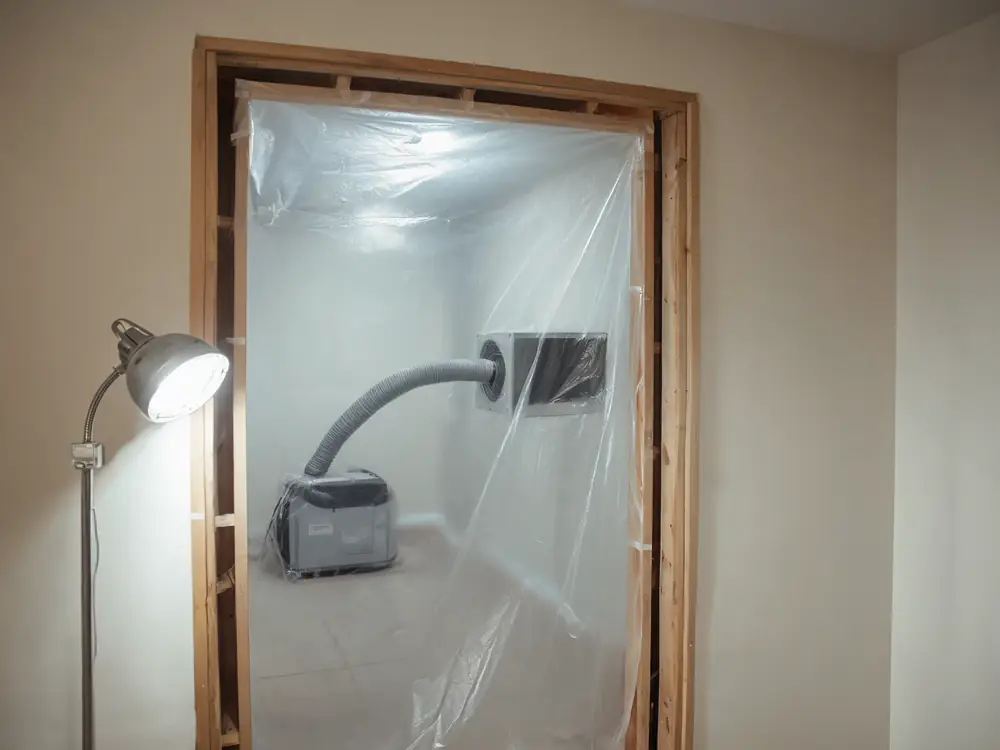
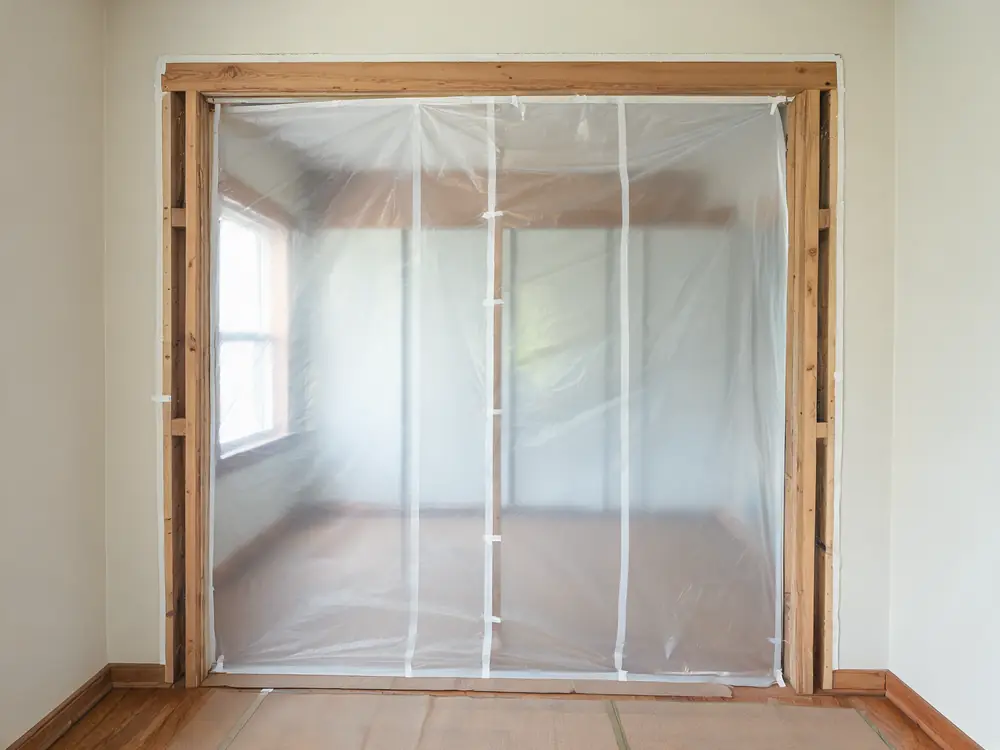
- Set up containment with poly sheeting and negative air.
- Remove affected flooring, pad and any wet drywall or baseboard.
- HEPA vacuum and clean the subfloor and framing.
- Dry the subfloor until readings match dry reference areas.
- Recommend independent clearance testing before new flooring goes down.
Small spots under 10 square feet often run about $500 to $1,500, and basement or crawl space jobs about $1,500 to $6,000. A firm price always comes after an on-site inspection, because the subfloor condition is not known until the floor is open. The mold remediation FAQ answers other common questions about the process.
When to Call a Professional
Call if the floor stays soft, smells musty after drying, sits over a damp crawl space, or got wet from a flood or sewage backup. We handle drying and mold cleanup after floor leaks across Gettysburg and Adams County, starting with a free on-site inspection and moisture mapping. Call (717) 420-8919, 24 hours a day.