
Mold guide
How to File a Mold Insurance Claim, Step by Step
To file a mold insurance claim, stop the water source, document the damage before anything is moved, report the loss to your insurer quickly, and back it up with a professional moisture and remediation report. This guide walks Gettysburg and Pennsylvania homeowners through each step so your claim is clear, complete and on time.

By Dale Hoffman, Remediation Lead
Published
Before You File: Is Mold Likely Covered?
Most homeowners policies cover mold only when it follows a sudden, accidental water event the policy already covers, and many cap mold payouts with a sublimit. Mold from slow leaks, humidity or flooding is usually excluded under a standard homeowners policy. If you are not sure, call your agent and ask how your policy handles "fungi" or mold before you start work beyond emergency steps.
Step 1: Stop the Water and Protect Your Home
Your policy almost certainly requires you to take reasonable steps to prevent further damage. The EPA notes mold can begin growing within 24 to 48 hours after materials get wet, so speed matters.
If this is happening in your own home, our company can walk the property first.
- Shut off the main water valve or the supply to the leaking fixture.
- Turn off power to wet areas if water is near outlets or equipment.
- Remove standing water and move belongings to a dry area.
- Run fans and a dehumidifier, or call a professional if drywall, carpet or insulation is soaked.
Keep every receipt for emergency supplies, equipment rental and services. These costs are often reimbursable as part of a covered loss.
Step 2: Document Everything
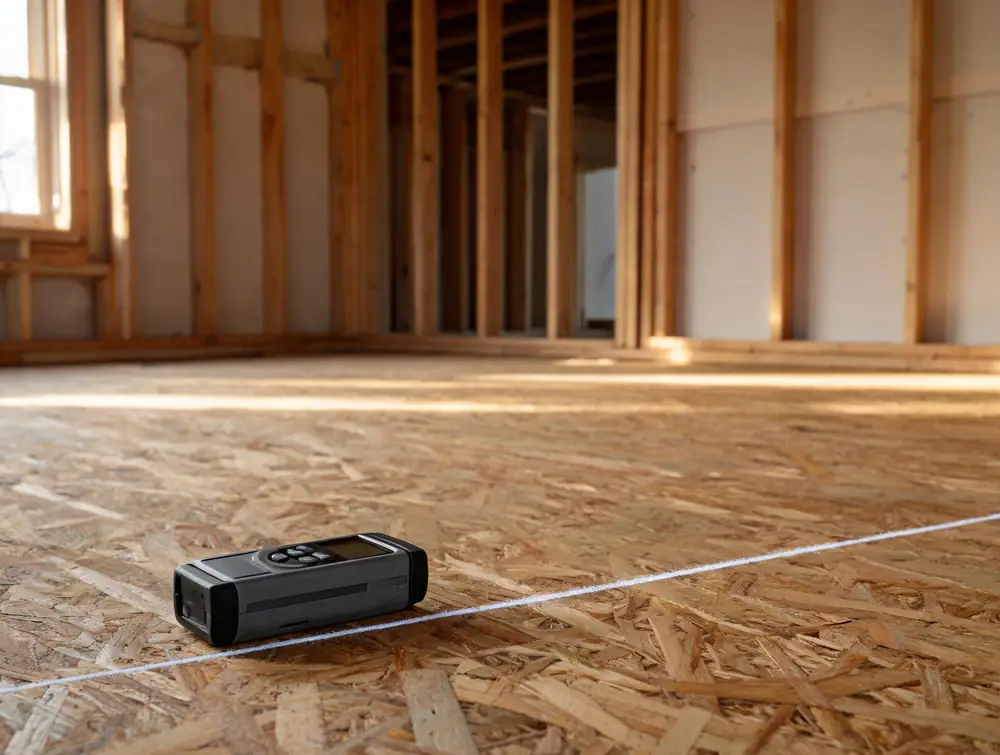
Good documentation is the backbone of a claim. Before cleanup changes the scene:
- Take wide photos of each room, then close-ups of mold, stains and water lines.
- Photograph the source: the burst pipe, the failed hose, the roof damage.
- Record a short video walk-through narrating what happened and when.
- Write down the date and time you found the problem and what you did.
- Keep damaged parts, like a split supply line, if you can. The adjuster may want to see them.
Step 3: Report the Claim Promptly
Call your insurer or agent, or use the company's app or website, as soon as you can. Most policies require prompt notice of a loss. When you call:
- Have your policy number ready.
- Describe the cause first, such as "a pipe burst in the crawl space on Tuesday."
- Ask whether your policy has a mold sublimit and what it is.
- Ask what documentation they need, and whether they want to inspect before remediation begins.
- Write down your claim number and the adjuster's name and contact information.

Step 4: Get a Professional Assessment
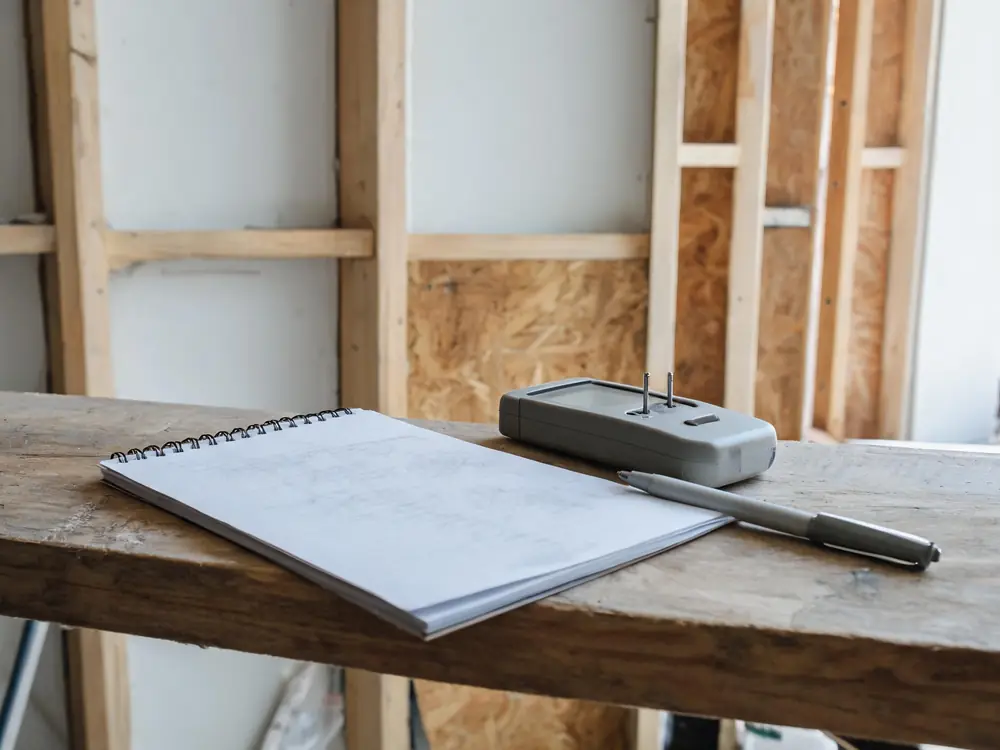
A professional assessment gives the adjuster something concrete to review. It should include moisture readings, photos, the affected square footage and a written scope of work. Independent mold testing can help on larger claims, but ask your adjuster first whether they want it.
An itemized scope should separate emergency drying, mold remediation, and rebuild. That makes it easier for the insurer to apply the right coverage and sublimits to each part. For a sense of typical local pricing, see our guide to mold remediation cost in Gettysburg.
Step 5: Meet the Adjuster
Be present for the adjuster's visit if you can, and have your photos, receipts, timeline and contractor's scope ready. Point out the source, the extent of damage and any areas that are still wet.
Step 6: Review the Estimate and Settlement
The insurer will issue an estimate or settlement offer. Compare it line by line with your contractor's scope. Common gaps include:
- Containment and HEPA air filtration left out or underpriced.
- Hidden damage inside walls not included.
- Drying equipment days shorter than what was needed.
- Rebuild items like baseboard, paint or flooring missing.
If something is missing, send your adjuster the documentation that supports it and ask for a revised estimate. If you still disagree, ask your insurer about its dispute or appraisal process. The Pennsylvania Insurance Department also offers consumer help with insurance questions and complaints. For legal questions about a denied or disputed claim, consult an attorney.
Step 7: Complete Remediation and Keep the Records
Once approved, have the work done to a recognized standard such as IICRC S520, with containment, HEPA filtration and drying verification. We recommend independent clearance testing at the end. Keep a file with the final invoice, clearance results and photos. It helps with future claims and home sales.
Large Losses and Whole-Home Claims
A burst pipe that runs for days while a home is empty, or a sewer backup under a water backup endorsement, can affect several rooms or floors. Those claims often reach the mold sublimit quickly, so it is important to separate water damage repairs from mold remediation in your paperwork. Our guide to whole-house mold remediation cost explains what large jobs typically involve.
Gettysburg Situations That Lead to Claims
In Gettysburg, the most common claim scenarios come from the weather. Freeze-thaw winters burst pipes in unheated crawl spaces and additions. Late-summer storms, including tropical remnants like Ivan in 2004 and Lee in 2011, bring heavy rain that can damage roofs. Surface flooding from those storms is typically excluded from homeowners coverage and handled under separate flood insurance, if you have it.
When to Call a Professional
Call a professional as soon as a water event soaks drywall, carpet or insulation, or when mold covers more than about 10 square feet. We are open 24 hours and provide dated photos, moisture readings and itemized scopes that adjusters can review. See our full guide to mold remediation cost and insurance, or call (717) 420-8919.
When it is past the point of doing it yourself, see water damage and mold restoration.
This sits inside a bigger picture, covered in Does Homeowners Insurance Cover Mold Remediation in PA?.