
Mold guide
Water Damage Restoration vs. Mold Remediation: Which Do You Need?
Water damage restoration vs. mold remediation comes down to timing: restoration dries a home before mold takes hold, while remediation removes mold that has already grown. Many Gettysburg homeowners end up needing both.

By Curtis Bowman, Water and HVAC Restoration Lead
Published
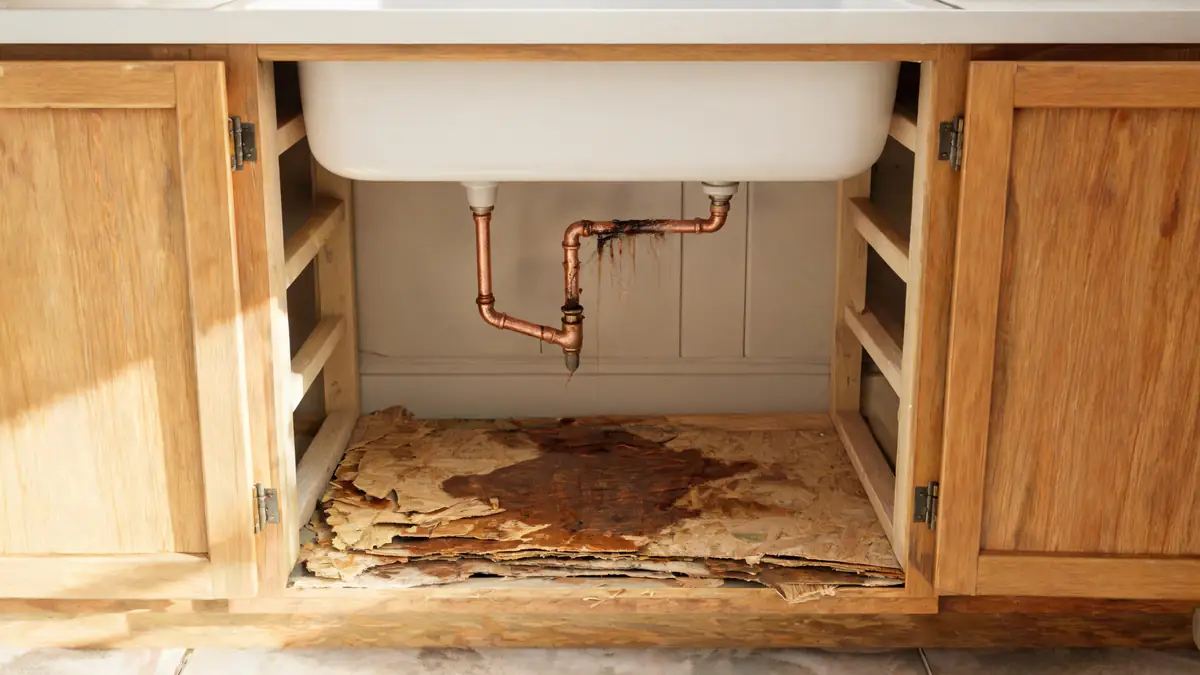
What Water Damage Restoration Is
Water damage restoration focuses on getting water out and drying the structure fast enough to prevent mold. It usually follows the IICRC S500 standard. The work includes:
Dealing with this in a Gettysburg property? That is the everyday work of mold remediation in Gettysburg, PA.
- Extracting standing water from floors, carpet and basements.
- Mapping moisture with meters and thermal imaging.
- Removing materials that cannot be dried, such as carpet pad or soaked insulation.
- Running air movers and dehumidifiers until readings show the structure is dry.
- Logging moisture readings daily for you and your insurer.
The goal is speed. The EPA says mold can begin growing within 24 to 48 hours on wet materials. For a closer look at that clock, see our article on how fast mold grows after water damage.
What Mold Remediation Is
Mold remediation deals with mold that is already growing. It follows the IICRC S520 standard and the EPA's remediation guidance. The work includes:
- Inspecting to find the extent of growth and the moisture source.
- Setting up plastic containment to isolate the work area.
- Running HEPA air filtration under negative air pressure so spores do not spread.
- Removing moldy porous materials like drywall, insulation and carpet.
- HEPA vacuuming and cleaning framing and other hard surfaces.
- Drying and, when advised, independent clearance testing before rebuild.
Remediation adds steps that plain drying does not need. Containment and HEPA filtration are there because disturbing mold releases spores, and the EPA notes that even dead mold can still cause allergic reactions.
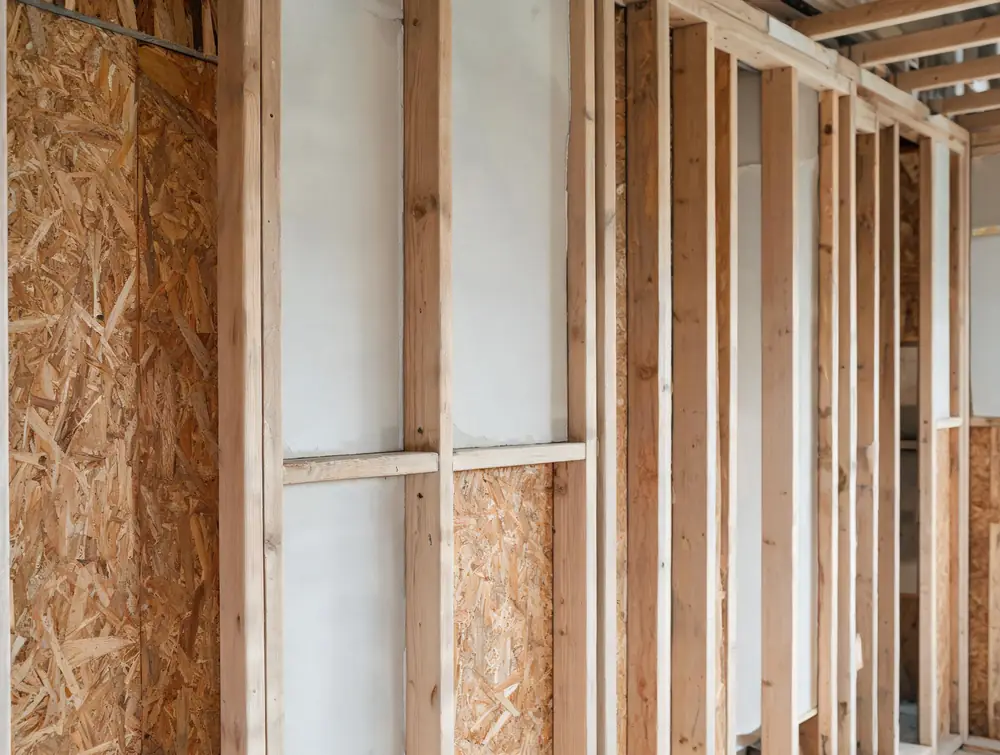
Side-by-Side Comparison
| Water damage restoration | Mold remediation | |
|---|---|---|
| Main goal | Remove water and dry fast | Remove existing mold safely |
| Best timing | Within 24 to 48 hours of the water event | Once mold is visible, smelled or confirmed |
| Industry standard | IICRC S500 | IICRC S520 |
| Key equipment | Extractors, air movers, dehumidifiers, moisture meters | Containment, HEPA air scrubbers, HEPA vacuums, protective gear |
| Materials removed | Only what cannot be dried | All moldy porous materials, plus a margin |
| Typical duration | 3 to 5 days for clean water | 1 to 5 days of work, plus drying |
| Airflow approach | Fans move air to speed drying | Air is contained and filtered to trap spores |
Key point: fans that speed drying can spread spores if mold is already growing. That is why an inspection comes before equipment goes in when water has sat for more than a day or two.
When You Need Both
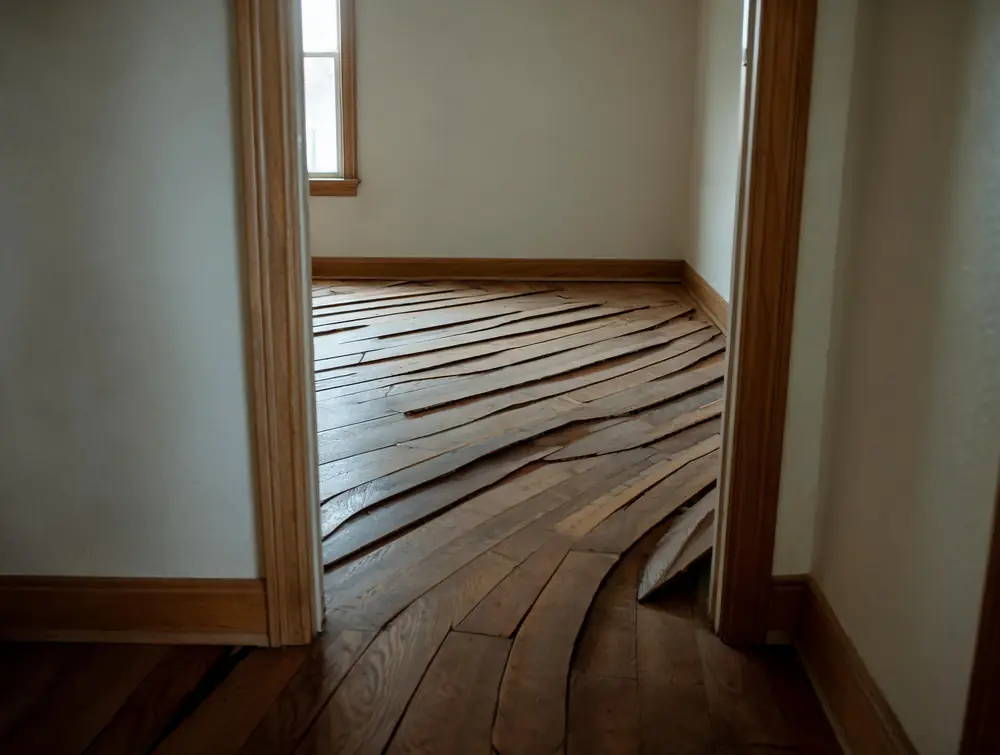
Many jobs are a mix. A burst pipe found after a weekend away, a slow leak under a sink, or a basement that flooded during a storm and sat for days often has wet areas that can still be dried and other areas where mold has started. In those cases, the moldy sections are contained and removed first, then drying runs on the rest.
Common signs you need both:
- Water sat for more than 48 hours before drying began.
- The water came from a flood or sewage backup.
- You smell mustiness or see spots in the wet area.
- Water got into wall cavities, under flooring or into insulation.
- The leak was a slow drip that went on for weeks.
How Cost Compares
Drying a clean-water leak caught early usually costs less than remediation, because it skips containment and removes less material. Once mold is present, costs rise with the size of the area. Gettysburg reference ranges for mold remediation typically run $500 to $1,500 for a small area under 10 square feet, $1,500 to $6,000 for a basement or crawl space, and $10,000 to $30,000 or more for a whole home. Final pricing comes after an inspection. Our mold remediation cost guide has more detail.
Insurance Differences
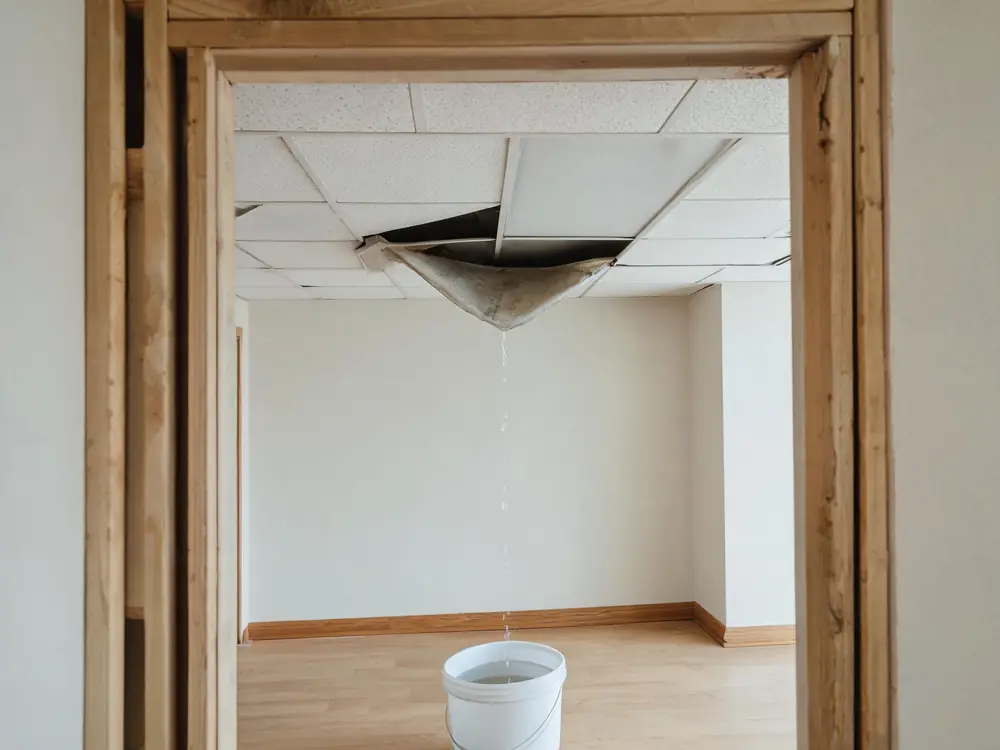
Insurers often treat the two differently. Many homeowners policies cover sudden water damage, like a burst pipe, and may cover resulting mold up to a set limit. Mold from long-term leaks, poor upkeep or flood water is often excluded unless you carry flood insurance. This is general information only. Check your policy and talk with your insurer, and see the Pennsylvania Insurance Department for consumer resources.
Why It Matters in Gettysburg
With about 43 inches of precipitation a year, humid summers, tropical storm remnants and winter pipe freezes, Gettysburg homes see a steady stream of water events. Older homes with stone foundations and plaster walls tend to hold moisture longer, which narrows the window to dry before mold starts.
When to Call a Professional
If you are not sure which service you need, call. We check moisture levels and look for growth, then recommend drying, remediation or both. Our water damage and mold restoration service in Gettysburg is open 24 hours at (717) 420-8919. You can also read about the standards at the IICRC.
When it is past the point of doing it yourself, see water damage and mold restoration.