
Mold guide
Mold Removal vs. Mold Remediation: What's the Difference?
The difference between mold removal and mold remediation is mostly about promises: "removal" suggests every trace of mold will be gone, while remediation means bringing mold back to normal levels and fixing the moisture that caused it. For Gettysburg homeowners comparing quotes, knowing which word a company uses, and what it actually does, can save money and a repeat problem.

By Dale Hoffman, Remediation Lead
Published
Why "Removing All Mold" Is Not Possible
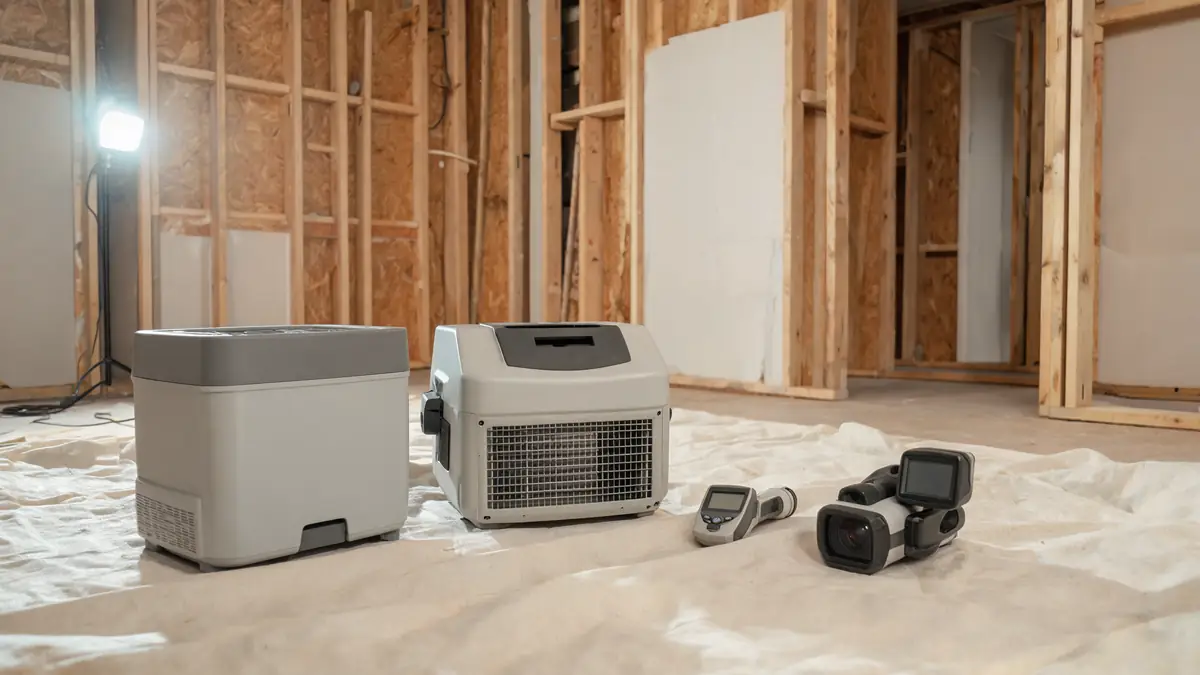
Mold spores are part of the natural environment. They are in the air outside your front door on Baltimore Street and in every home in town. The EPA states there is no practical way to eliminate all mold and mold spores indoors. What you can control is moisture, and without moisture, spores stay dormant.
Remediation done properly is what mold remediation in Gettysburg, PA means in practice: contain the area, fix the water, remove what cannot be saved, then verify the space is clean.
So when a company promises to "remove all the mold" or make your house "mold-free," treat that as a red flag. A realistic goal is removing active growth and damaged materials, then getting indoor spore levels similar to or lower than outdoor levels.
Side-by-Side Comparison
| "Mold removal" (as often advertised) | Mold remediation | |
|---|---|---|
| Goal | Get rid of all mold | Return mold to normal background levels |
| Typical method | Spray, wipe, or fog visible mold | Contain, HEPA filter, remove, clean, dry, verify |
| Moisture source | Often not addressed | Identified and corrected |
| Containment | Rarely used | Sized to the job per IICRC S520 |
| Verification | Visual only, if any | Visual check plus clearance testing when useful |
| Chance of regrowth | High if water problem remains | Low once moisture is controlled |
To be fair, many good contractors use "mold removal" in their ads because that is what people search for. The label matters less than the steps. Ask what they actually do.
What a Real Remediation Includes
A remediation job follows the IICRC S520 standard. In plain terms, that means:
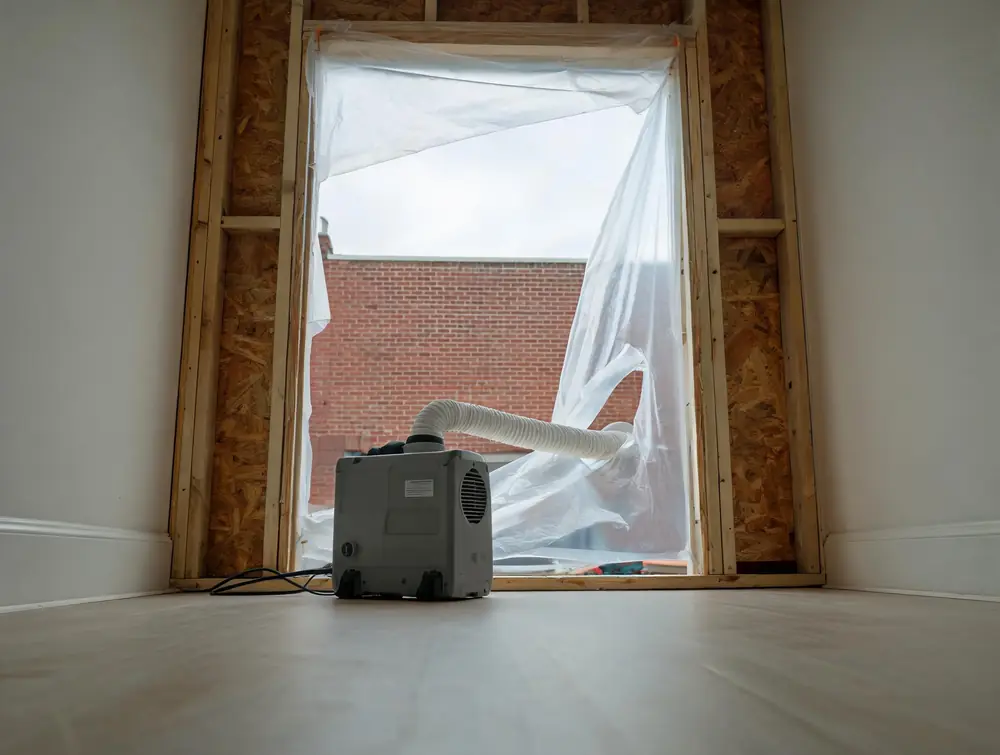
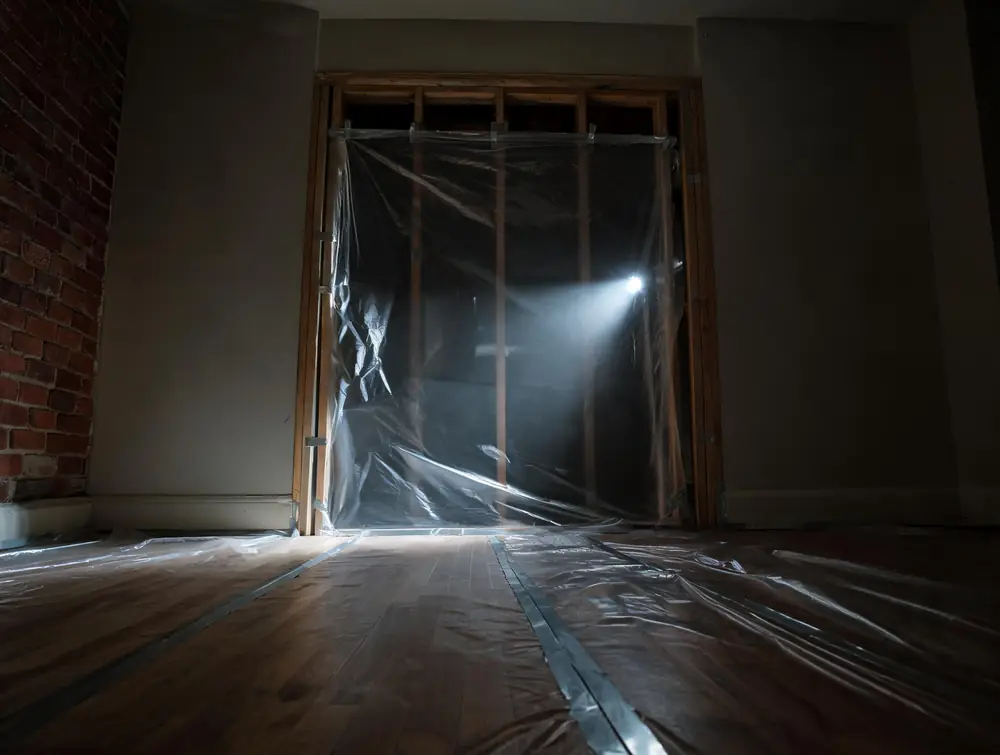
- Containment with plastic sheeting so spores do not spread to clean rooms.
- Negative air pressure using HEPA air scrubbers, which pull air out of the work zone.
- Physical removal of porous materials with growth, like drywall and insulation.
- Cleaning of hard surfaces with HEPA vacuums and damp wiping.
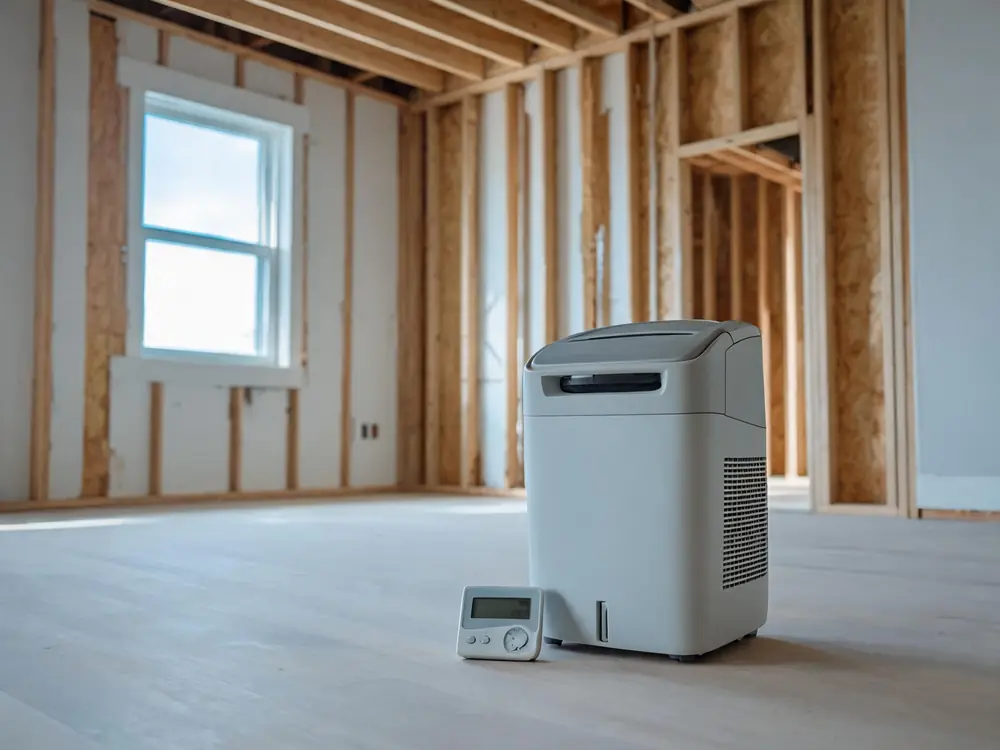
- Drying with dehumidifiers until moisture readings are normal.
- Verification, ideally by an independent tester.
- Source correction, such as a plumbing repair, gutter work, or dehumidification.
You can see each step in detail, with the equipment we use, in our mold remediation process.
Why the Difference Matters for Your Wallet
A spray-and-go treatment can look cheaper at first. But if the mold was growing inside the wall cavity, or the basement humidity still sits at 70%, the problem returns, often within a season. Then you pay twice.
Remediation usually costs more up front because it includes setup, containment, disposal, and drying. In Gettysburg, a small area under 10 square feet typically runs $500 to $1,500, and a basement or crawl space typically runs $1,500 to $6,000. Those are typical ranges, and final pricing comes after an inspection. See mold remediation cost for more detail.
Questions That Reveal Which One You Are Getting
- Where is the moisture coming from, and how will it be fixed?
- Will you set up containment and negative air? How much?
- Which materials will be removed, and which will be cleaned?
- Do you follow the IICRC S520 standard?
- Do you support independent clearance testing before containment comes down?
If the answers are vague, or the plan is mostly "we spray it," you are likely looking at a surface treatment rather than remediation.
Local Note: Older Gettysburg Homes
Many homes in the Gettysburg Historic District sit on fieldstone or rubble foundations that let ground moisture through. Spraying the walls does nothing about that moisture. A remediation plan for these basements usually pairs cleanup with a dehumidifier set around 50%, better drainage, and sometimes a sump pump. The EPA recommends keeping indoor humidity below 60%, ideally 30% to 50%.
When to Call a Professional
If mold covers more than about 10 square feet, is hidden in walls or ducts, or keeps returning after cleaning, you need remediation, not a quick spray. Plan for the schedule by reading how long mold remediation takes, then review our mold remediation process or call (717) 420-8919, 24 hours a day.
This sits inside a bigger picture, covered in What Is Mold Remediation? A Guide for Gettysburg Homeowners.