
Mold guide
7 Factors That Affect Mold Remediation Cost
Mold remediation cost depends on seven main factors: the size of the affected area, where it is in the house, the type of material, how much containment is needed, the water source, access, and whether testing and rebuild are included. Knowing these factors helps Gettysburg homeowners read an estimate, compare quotes and spot a price that is too high or too low.

By Dale Hoffman, Remediation Lead
Published
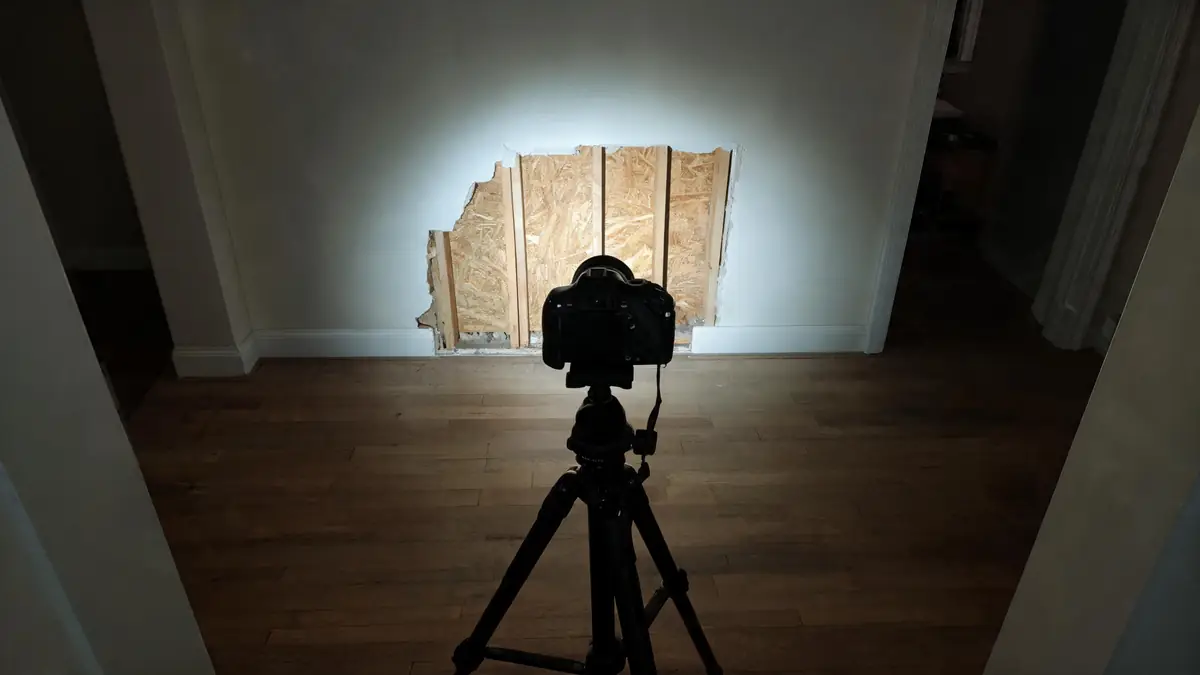
1. Size of the Affected Area
Square footage is the biggest single factor. National guides often cite about $10 to $25 per square foot of affected area. The EPA uses size to set the level of response: areas under about 10 square feet are small and often manageable by a homeowner, while larger areas call for more protection and usually a professional. Keep in mind that visible mold is often only part of the problem. Growth on the back of drywall or under flooring adds square footage you cannot see.
2. Location in the Home
| Location | Cost effect | Why |
|---|---|---|
| Bathroom or bedroom wall | Lower | Easy access, small area |
| Basement | Moderate | Larger areas, damp stone foundations, finished walls |
| Crawl space | Higher per sq ft | Tight, slow work on hands and knees |
| Attic | Higher per sq ft | Heat, limited headroom, large roof sheathing area |
| HVAC system | Adds cost | Ducts, coils and air handler need specialized cleaning |
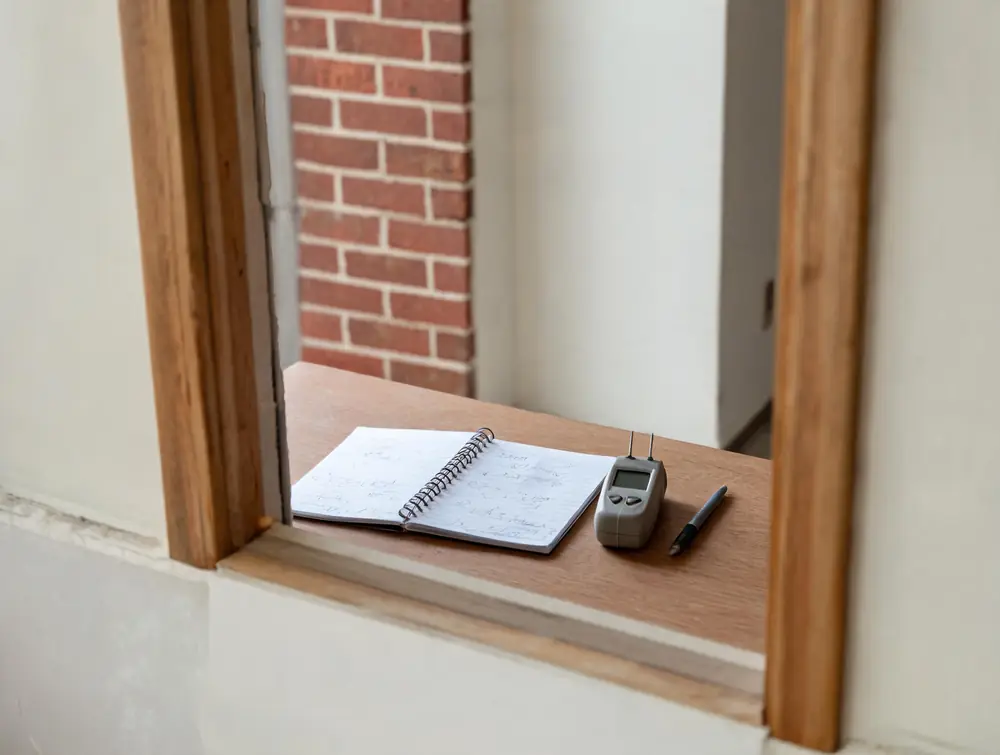
3. Type of Material
Hard, non-porous surfaces like tile, metal and glass can be cleaned. Semi-porous materials like framing lumber can usually be cleaned and treated. Porous materials like drywall, ceiling tile, carpet and insulation are usually removed when moldy, which adds demolition, disposal and rebuild costs. In Gettysburg's older homes, sound plaster and old-growth lumber can often be cleaned in place, which can save money compared with tearing out and replacing.
If it needs containment and HEPA filtration, our team handles that.
4. Containment and Air Filtration
Containment keeps spores from spreading while work is underway. A small job may need only a simple barrier. A larger job needs full plastic enclosures, sealed vents, negative air machines and HEPA air scrubbers. The more zones a job has, and the more the home is occupied, the more containment it needs. This is also the item low-bid contractors most often skip.
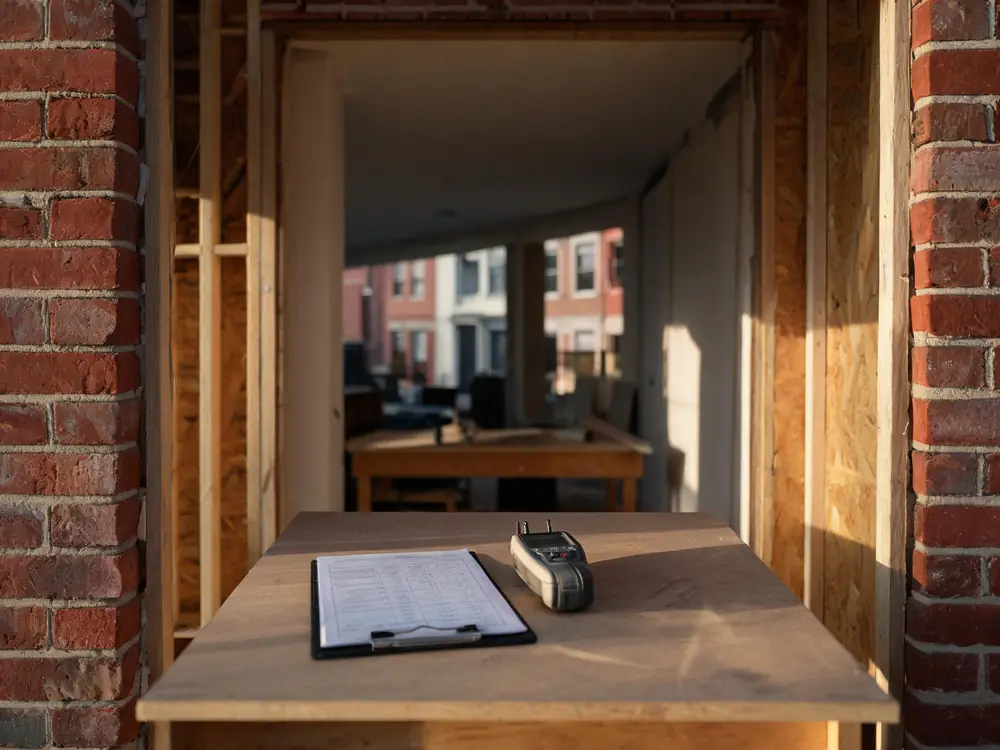
5. Water Source and Contamination
Mold from a clean water leak, like a supply line, is simpler to handle than mold from floodwater or a sewer backup. Contaminated water means more materials must be removed and more protective steps taken. The age of the leak matters too. The EPA notes mold can begin to grow within 24 to 48 hours, so a leak found in hours costs far less than one found in months.
6. Access and Working Conditions
Low crawl spaces, packed storage areas, high ceilings and tight attics slow work. Stored items may need to be moved or cleaned. In older homes, crawl spaces under additions can be very low, and some Gettysburg basements have narrow stone stairways that make moving equipment harder. Every extra hour of labor shows up in the price.
7. Testing, Source Repair and Rebuild
These add-ons are often priced separately:
- Testing: Independent testing before or after work adds a separate fee but gives third-party proof.
- Source repair: Fixing a roof, gutter, plumbing leak or bath fan vent may need another trade.
- Rebuild: New drywall, paint, trim and flooring after removal.
- Dehumidification: A basement dehumidifier to keep humidity below 60%, ideally 30% to 50%, as the EPA recommends.
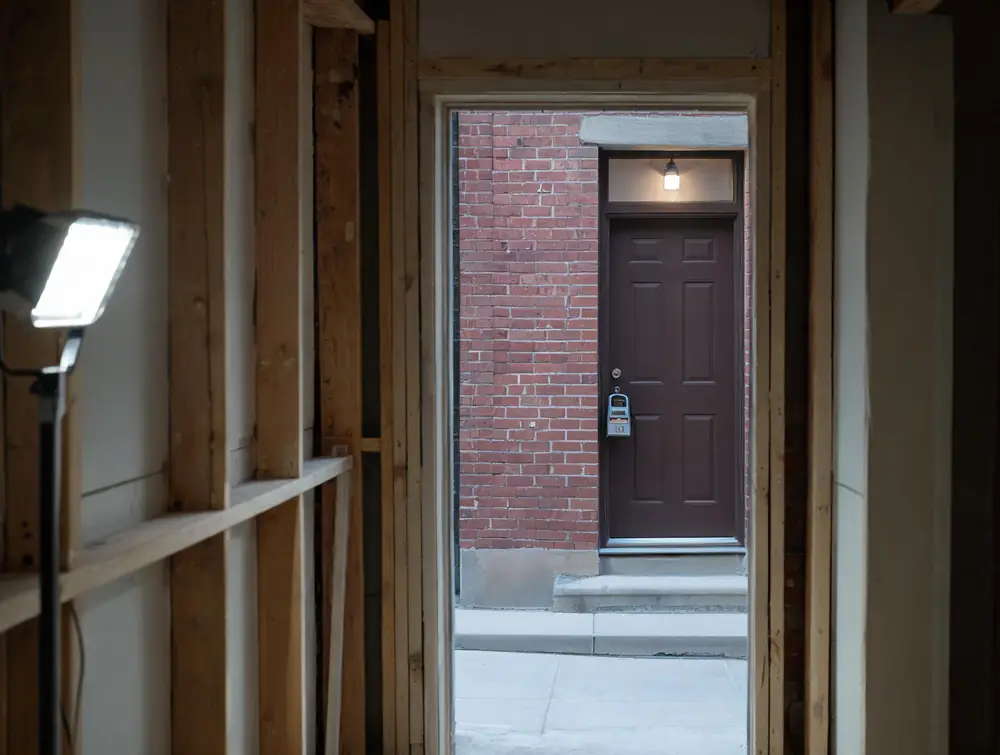
How Gettysburg Conditions Affect Price
Local conditions push some jobs higher. Gettysburg gets about 43 inches of precipitation a year and humid summers, so basements with stone and fieldstone foundations often need dehumidification and drainage work along with cleanup. Freeze-thaw winters burst pipes in crawl spaces, which leads to fast, widespread wetting. Older homes often have bathroom fans vented into attics, which spreads growth across roof sheathing. On the plus side, sturdy old-growth framing usually cleans up well.
Reading Your Estimate
- Check the square footage and whether it matches what you were shown.
- Confirm containment and HEPA filtration are included.
- See which materials are removed and which are cleaned.
- Look for drying and moisture verification.
- Check whether testing and rebuild are included or separate.
- Make sure the moisture source is identified in writing.
If a quote feels high and you are weighing a DIY approach, read is professional mold remediation worth it to compare costs and risks.
When to Call a Professional
Call a professional when mold covers more than about 10 square feet, follows a leak or flood, keeps returning or sits in a crawl space, attic or HVAC system. We give itemized estimates after an on-site inspection. See our full guide to mold remediation cost in Gettysburg, or call (717) 420-8919 any time.
For how this is handled on site, see what mold remediation costs here.