
Mold guide
Is Professional Mold Remediation Worth It?
Professional mold remediation is worth it when mold covers more than about 10 square feet, hides inside walls or floors, follows a leak or flood, or affects someone with health concerns. For a small patch on a hard surface, a careful DIY cleanup is often enough. This guide compares both options on cost, safety, regrowth risk and resale value so Gettysburg homeowners can decide.

By Dale Hoffman, Remediation Lead
Published
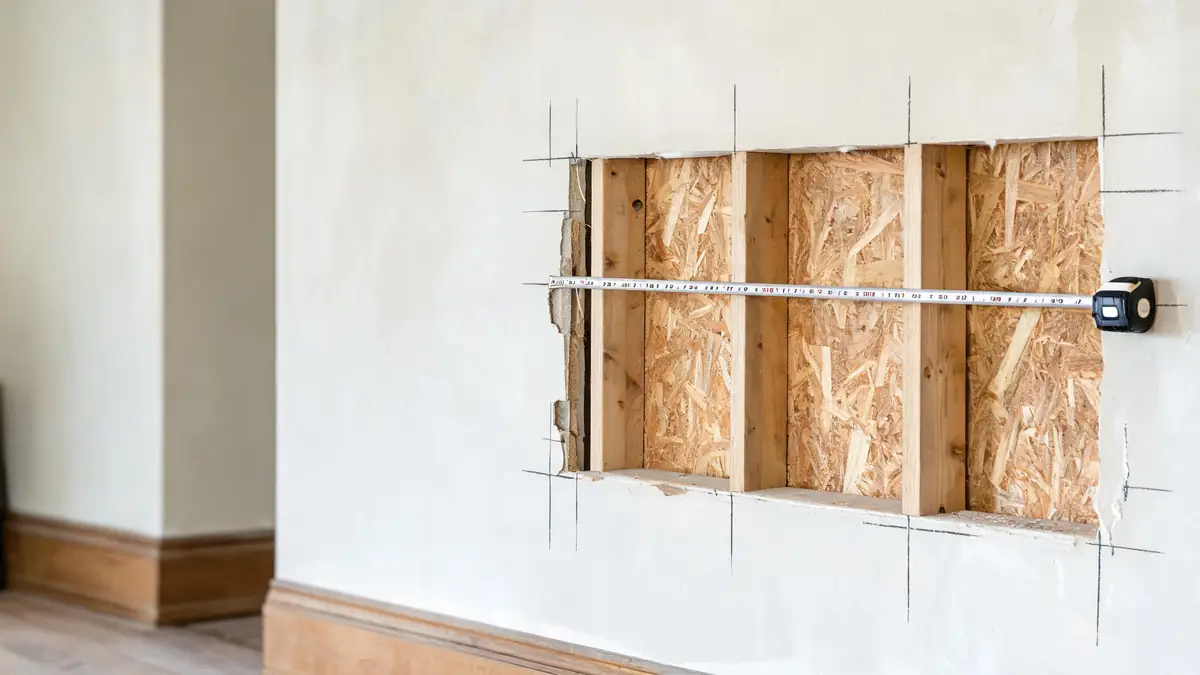
DIY vs. Professional: Side by Side
| Factor | DIY | Professional |
|---|---|---|
| Typical cost | Under $100 for supplies and gear | $500 to $1,500 small; $1,500 to $6,000 basement; more for larger jobs |
| Containment | Rarely | Plastic barriers and negative air |
| Air filtration | Household fan or none | HEPA air scrubbers and HEPA vacuums |
| Hidden mold | Often missed | Found with moisture meters and thermal imaging |
| Drying check | Guesswork | Moisture readings before closing up |
| Regrowth risk | Higher if the source is missed | Lower when the source is found and fixed |
| Documentation | Your own photos | Written scope, photos, readings, clearance results |
When DIY Makes Sense
The EPA says homeowners can often clean up areas under about 10 square feet, roughly a 3 foot by 3 foot patch, if the moisture problem has been fixed. DIY is a reasonable choice when:
If the job is past the point where a bucket and a fan will do, Mold Remediation Gettysburg PA gives a written scope after an on-site inspection, so you can judge the cost against the work rather than a phone estimate.
- The mold is on a hard or non-porous surface like tile, a tub, a window frame or sealed wood.
- The cause is obvious and fixed, like shower steam in a bathroom with a working fan.
- No one in the home has asthma, allergies or a weakened immune system.
- The area is not in the HVAC system.
Wear an N-95 respirator, gloves and goggles, and scrub with detergent and water. Dry the area completely. Moldy drywall, carpet and insulation usually need to be removed, not just cleaned.
When Professional Remediation Is Worth It
- Size: Growth over about 10 square feet or in several rooms.
- Hidden mold: A musty smell with no visible source, or stains that suggest mold inside a wall.
- Water events: Mold after a flood, burst pipe or sewer backup, where contaminated materials must come out.
- Recurring mold: Growth that keeps coming back means the moisture source has not been found.
- Health concerns: The CDC notes people with asthma, allergies or weakened immune systems may react more strongly to mold. Anyone with symptoms should see a doctor.
- HVAC involvement: Mold in ducts or on coils can spread spores through the whole house.
- Home sale or rental: Buyers, lenders and tenants often want documentation and clearance results.
The Hidden Costs of DIY Gone Wrong
The biggest risk of DIY is not the cleanup itself. It is missing what you cannot see. Common problems include:
- Spreading spores. Dry scraping or sanding without containment can push spores into other rooms.
- Bleach on porous materials. Bleach can lighten the stain on drywall without removing growth below the surface.
- Painting over mold. It hides the problem, and home inspectors with moisture meters often find it later.
- Regrowth. If the leak or humidity stays, the mold returns, and you pay for cleanup twice.
Resale and Peace of Mind
Pennsylvania sellers must disclose known material defects, and the seller disclosure form asks about water and mold. A professional job with a written scope and an independent clearance report gives buyers confidence and gives you a clear record for your disclosure. A DIY job, even a good one, usually leaves only your word and a few photos.
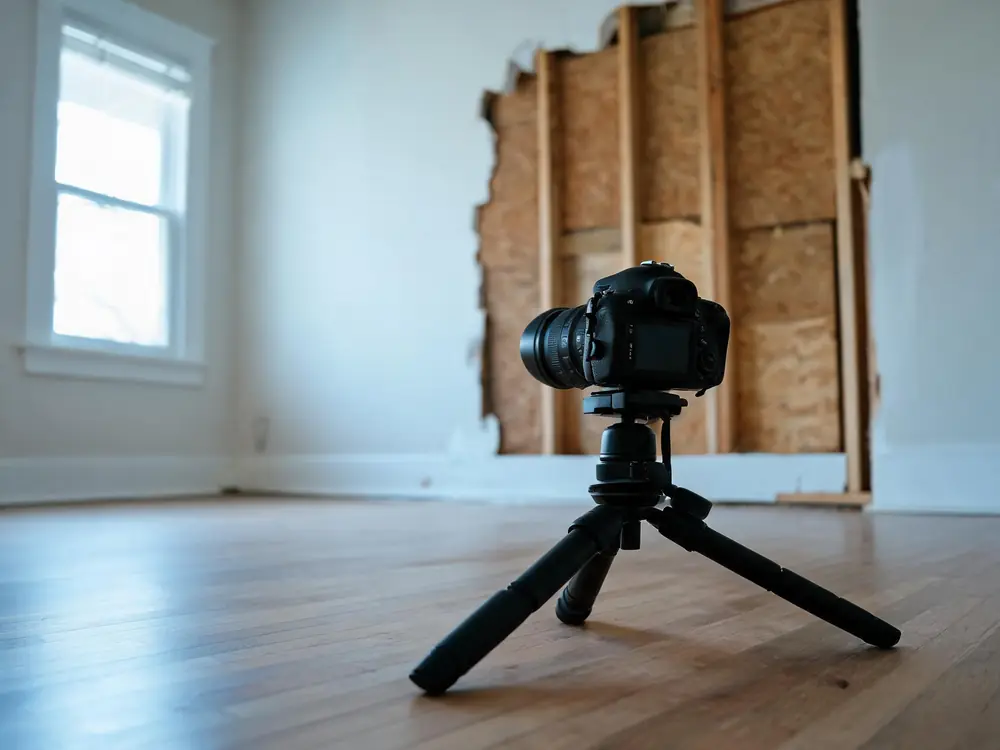
Gettysburg Homes: Where DIY Often Falls Short
Many Gettysburg homes have stone foundations, plaster walls, crawl spaces under additions and bath fans vented into attics. These create mold in places that are hard to reach and easy to miss: behind plaster, on joists in a low crawl space, or across a whole attic roof deck. With about 43 inches of precipitation a year and humid summers, a basement that is not dehumidified can grow mold again within a season. These are the jobs where professional moisture mapping pays off.
A Bathroom Example
Bathrooms are the most common DIY mold job. Mildew on grout and caulk is usually a cleaning task. Mold on the ceiling that returns every few months, or soft drywall around a tub, points to a fan problem or a leak. Our guide to bathroom mold removal cost breaks down the price of each type of bathroom fix, from regrouting to replacing a subfloor.
When to Call a Professional
Call a professional when mold covers more than about 10 square feet, hides in walls, follows a water event, returns after cleaning, or affects someone with health concerns. We give an itemized estimate so you can decide what is worth paying for, and we will tell you when a small job is safe to handle yourself. See our guide to mold remediation cost in Gettysburg, or call (717) 420-8919.
This sits inside a bigger picture, covered in How to Choose a Mold Remediation Company: 10 Questions to Ask.