
Mold guide
What a Mold Remediation Warranty Should Cover (and What It Can't)
A fair mold remediation warranty covers regrowth in the areas that were treated, for a stated period, as long as the moisture problem stays fixed. It should be written, specific about the work area, and clear about what voids it. No honest company can promise mold will never return anywhere in a house, because mold follows moisture, and new leaks are outside any remediator's control.

By Dale Hoffman, Remediation Lead
Published
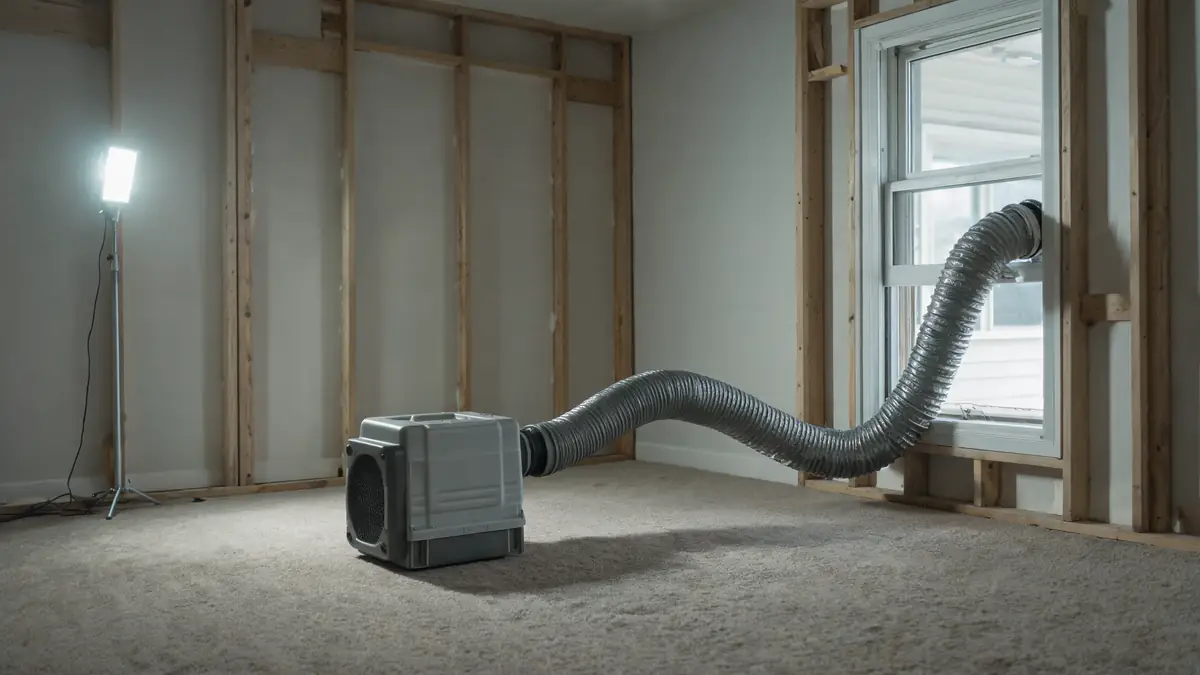
Why Mold Warranties Are Different
A roof or a water heater has a defined lifespan. Mold does not work that way. Mold spores are a normal part of indoor and outdoor air, and mold will grow anywhere moisture returns.
That means a remediation company controls only part of the outcome. It can remove contaminated material, clean the area, dry it and confirm the work. It cannot control a new roof leak, a burst pipe or a humid basement with the dehumidifier unplugged.
A fair warranty reflects that split. It covers the quality of the work in the treated area, and it relies on the moisture source staying fixed. Our guide on whether mold can come back after remediation explains the most common reasons it does.
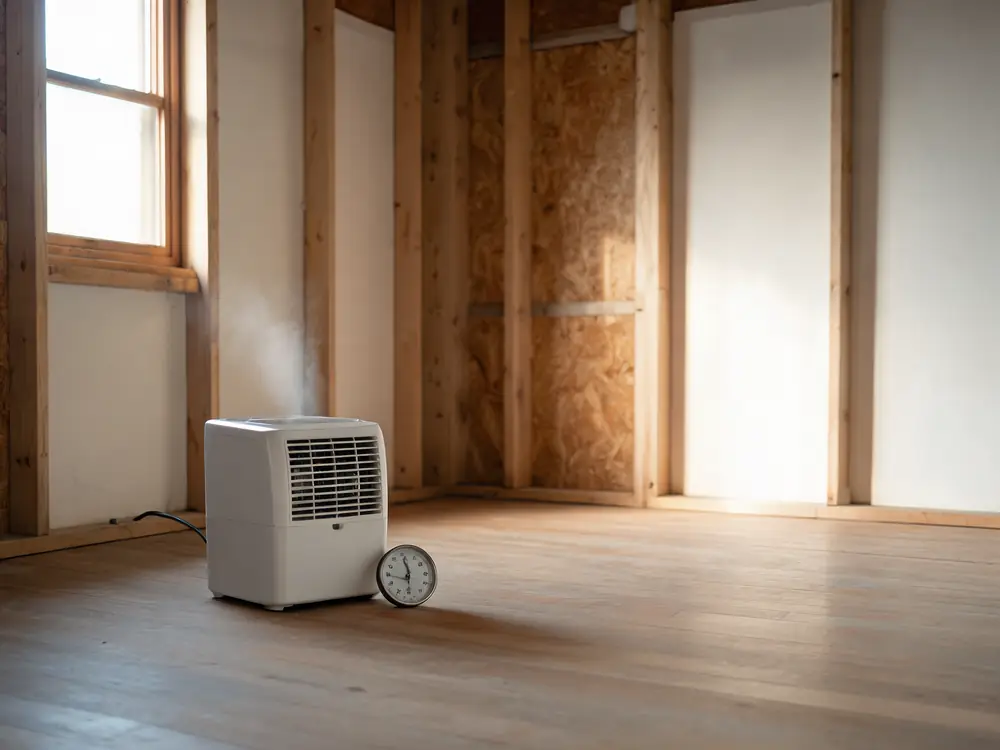
What a Fair Warranty Should Include
These are the elements we would look for in any remediation warranty, including ours.
- Written terms. A warranty should be on paper or in a signed digital document, not a verbal promise.
- A defined work area. It should name the rooms, walls or spaces treated, ideally matching the written scope.
- A clear term. The start date and length of coverage should be stated.
- What counts as a claim. For example, visible regrowth in the treated area, confirmed by inspection.
- What the company will do. Return to inspect, and re-treat covered regrowth at no charge for the work.
- Owner responsibilities. Reasonable steps like keeping the moisture source repaired and reporting problems promptly.
- Exclusions in plain language. What is not covered, listed clearly rather than buried.
- Transfer rules. Whether the warranty moves to a new owner if you sell during the term.
- How to make a claim. A phone number, and what information to provide.
The written scope and the warranty should match. If the scope lists the basement and crawl space, the warranty should name the same areas. If they do not line up, ask for that to be fixed before work starts.
What Warranties Usually Exclude
Exclusions are normal. A reasonable list ties each exclusion to something outside the remediator's control.
| Common exclusion | Why it is fair |
|---|---|
| New water events (leaks, floods, backups) | A new moisture source creates a new mold problem |
| Areas outside the written scope | Only treated areas were cleaned and confirmed |
| Moisture repairs that were declined or not completed | If the cause is not fixed, regrowth is expected |
| Ongoing high indoor humidity | Humidity control is the owner's ongoing responsibility |
| Contents and belongings | Furniture and stored items are usually handled separately |
| Health claims | Remediation addresses the building, not medical outcomes |
Owner responsibilities should also be reasonable. Asking you to fix a known leak, run a dehumidifier in a damp basement, or report new water promptly is fair. Requiring things you cannot realistically do, such as keeping the home at an exact humidity every day, is not.
Watch for exclusions that are so broad they cancel the warranty. "Any moisture of any kind" or "any mold anywhere in the home" can leave you with nothing.
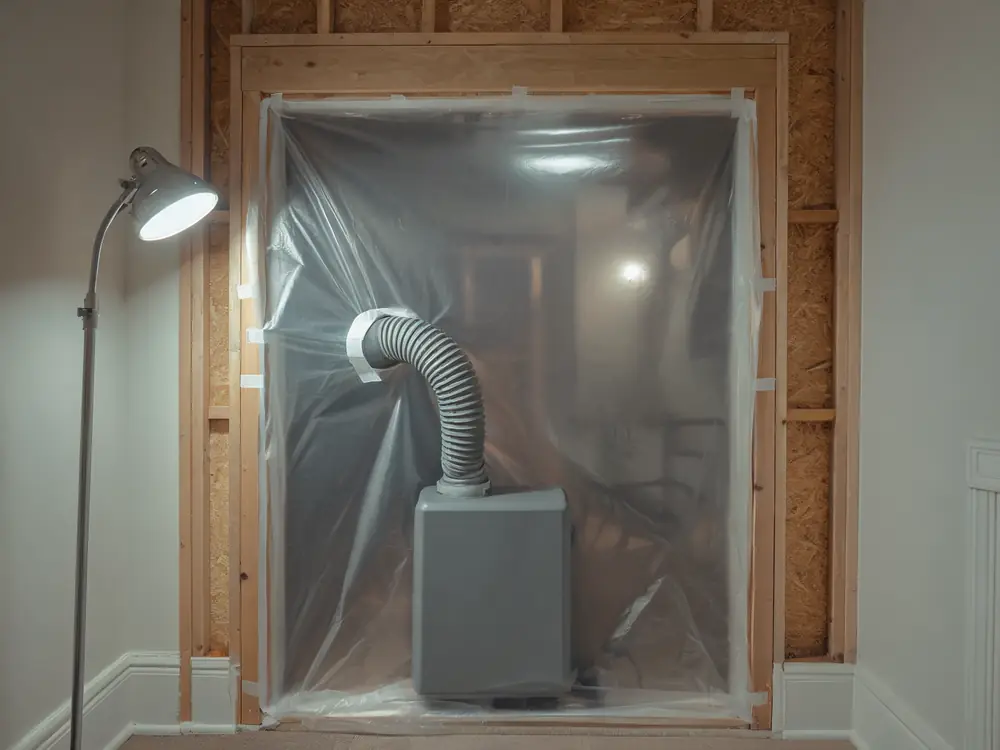
Red Flags in Mold Warranties and Contracts
Some warranty promises sound strong but offer little. These are the warning signs worth questioning.
- Lifetime or "permanent" guarantees. Mold follows moisture. A promise that it will never return usually depends on exclusions that are hard to meet.
- Warranty tied only to a coating or spray. A product warranty is not the same as a warranty on the removal and cleaning.
- No defined work area. If the paperwork does not say where the work was done, a claim is hard to prove.
- Verbal promises only. If it is not written, assume it does not exist.
- No mention of the moisture source. A company that warrants the work without addressing the cause is skipping the most important step.
- Annual paid inspections required to keep coverage. Ask what those inspections cost over the term.
- Same company tests and clears its own work. Independent clearance testing removes the conflict of interest.
Pennsylvania law also sets rules for home improvement contracts. The Attorney General's home improvement contractor registration resources explain what written contracts must include, such as the total price, estimated start and completion dates, and a description of the work. Our Pennsylvania mold laws page explains how mold fits into Pennsylvania law for homeowners.
Warranty, Guarantee and Clearance: Terms Explained
These words get used loosely in bids. They mean different things, and it helps to know which one you are being offered.
| Term | What it usually means | What to ask |
|---|---|---|
| Written warranty | A document promising specific remedies if covered problems appear within a set time | What is covered, for how long, and what voids it? |
| Guarantee | Often a sales promise; may or may not be in writing | Can I see it in writing with the same detail as a warranty? |
| Product warranty | Covers a coating or treatment product, not the labor | Does anything cover the removal and cleaning work? |
| Clearance testing | Independent sampling after the work to confirm the area passed | Who does it, and what happens if the area does not pass? |
What happens when you make a claim
A typical claim process is simple. You call, describe what you see and where, and send photos if asked. The company inspects to confirm whether the growth is in the covered area and whether a new water event caused it.
If it is covered, the company re-treats the area under the warranty terms. If a new leak caused it, a fair company will explain that clearly and help you find the moisture source. Either way, keep records of every call and visit.
The best time to understand this process is before you sign, not after mold appears. Keep the warranty with your written scope, clearance results and final invoice, so everything is in one place if you ever need it or sell the house.
How clearance testing supports a warranty
A warranty is stronger when the starting point is documented. Independent clearance testing, done by a third party after the work and before rebuilding, shows the work area passed at the end of the job.
If a question ever comes up during the warranty term, that record helps everyone. It shows what the area looked like at completion, so new growth can be compared fairly.
Our guide to post-remediation clearance testing explains how it works. The industry standard for remediation, IICRC S520, is covered in our guide to IICRC S520 mold conditions.
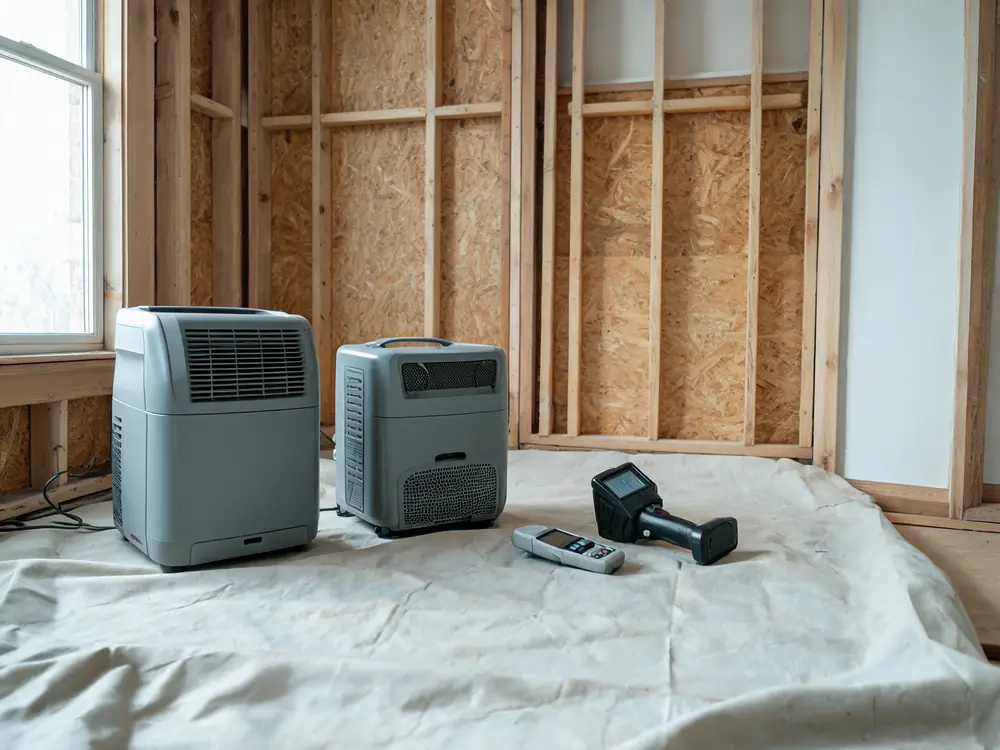
Questions to Ask Before You Sign
Ask every company you are considering the same questions. Compare the answers in writing.
- Is the warranty written, and can I see a copy before I sign the contract?
- How long does it last, and when does it start?
- Which areas does it cover? Does it match the written scope?
- What exactly counts as a covered claim?
- What will you do if covered regrowth appears?
- What are the exclusions, and what would void the warranty?
- What do I need to do to keep it valid?
- Does it transfer to a buyer if I sell the house during the term?
- Will an independent third party do clearance testing?
- How do I file a claim, and how quickly will you respond?
Get at least two or three written bids, and line up the warranty terms side by side. A lower price with a vague warranty may cost more in the long run than a clear scope with a clear warranty.
The answers tell you as much about the company as the warranty itself. Our guide on how to choose a mold remediation company lists more questions to ask during the bidding stage.
How Our Warranty Works
For reference, we provide a 12-month written regrowth warranty on our remediation work. It is transferable to a new owner within the term, which can help if you sell the house during that year.
The full terms, including what is covered, what is excluded and how to make a claim, are on our warranty page. We recommend reading them before you sign any contract, ours or anyone else's.
If you are selling a home where mold work was done, a written warranty and clearance results give buyers clear documentation. Our guide to selling a house with mold in Pennsylvania covers what to share.
When to Call a Professional
If you are comparing bids, or mold has returned after earlier work, an inspection is the place to start. We provide a free on-site inspection, a written scope and price, and mold removal that follows IICRC S520 and EPA guidance across Gettysburg and Adams County. Call (717) 420-8919, 24 hours a day.