The Parts of a Typical Air Sample Report
Most homeowners get a spore trap report from an accredited lab. Layouts vary, but most include these columns and fields:
Local conditions and pricing are covered by Mold Remediation Gettysburg PA.
| Field | What it means |
|---|---|
| Sample ID and location | Where the sample was taken, such as "Outdoor," "Basement," or "Bedroom 2 wall cavity" |
| Volume (liters) | How much air the pump pulled through the cassette |
| Raw count | The number of spores the analyst actually counted on the slide |
| Count per m³ | The raw count converted to spores per cubic meter of air, so samples can be compared |
| Spore type | The genus or group, such as Cladosporium or Aspergillus/Penicillium-like |
| Detection limit | The smallest count the method can report; results below it may show as "ND" (none detected) |
| Background debris | How much dust and particles were on the slide; heavy debris can hide spores |
| Hyphal fragments | Pieces of mold filaments, which can point to active or disturbed growth |
Step 1: Start With the Outdoor Control
The outdoor sample is your baseline. Mold spores are always present outdoors, and their levels change with season, weather, and time of day. In central Pennsylvania, outdoor counts tend to be higher in humid late summer and fall and much lower when the ground is frozen or snow-covered.
Write down the outdoor total and the top three or four types. Those are what you'd expect to see, at similar or lower levels, in a healthy indoor space.
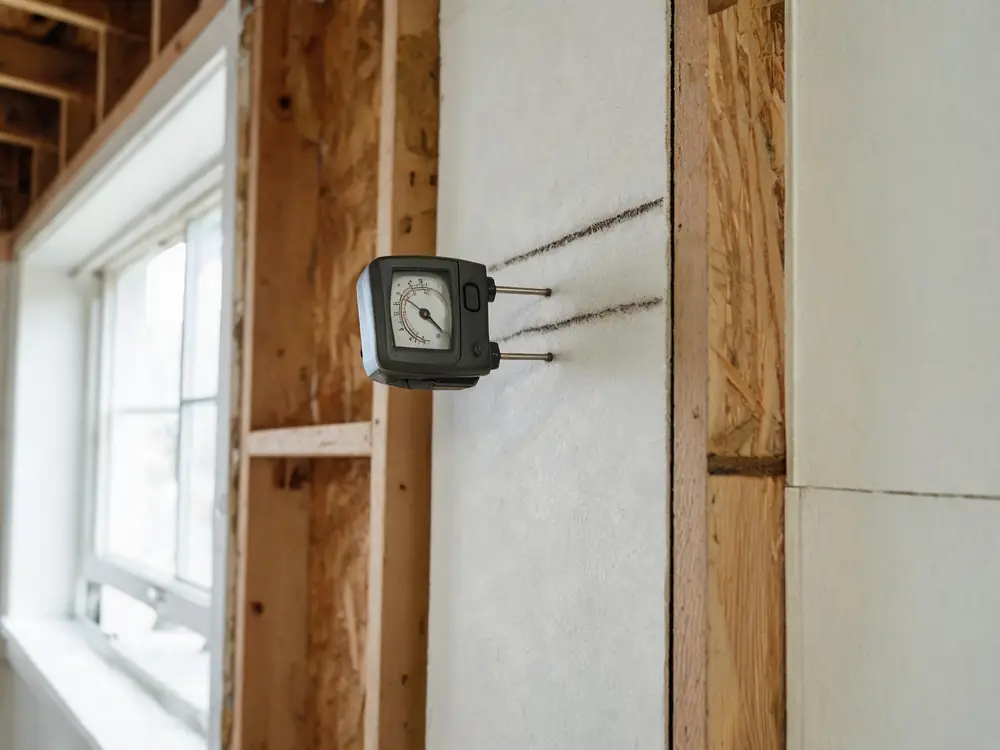
Step 2: Compare Indoor Totals to Outdoor
- Indoor lower than outdoor: typical of a home with no indoor source. Walls and windows filter some outdoor spores.
- Indoor similar to outdoor: often normal, especially if windows were open or it's a leaky older house.
- Indoor well above outdoor: suggests an indoor source. The bigger the gap, the stronger the sign.
There's no fixed ratio that means "fail." Inspectors weigh the totals along with the types and the moisture findings.
Step 3: Compare the Types
This is often more telling than the totals. A healthy indoor sample has a mix of types similar to outdoors. Watch for:
- One type dominating indoors but not outdoors. For example, Aspergillus/Penicillium-like spores making up most of the indoor count when they're a small share outside.
- Water-damage indicators. Stachybotrys and Chaetomium grow on materials that have stayed wet for a long time, like drywall paper and wood. Finding them indoors, even in small numbers, is a red flag when they're absent outside.
- Elevated hyphal fragments, which can mean growth nearby has been disturbed.
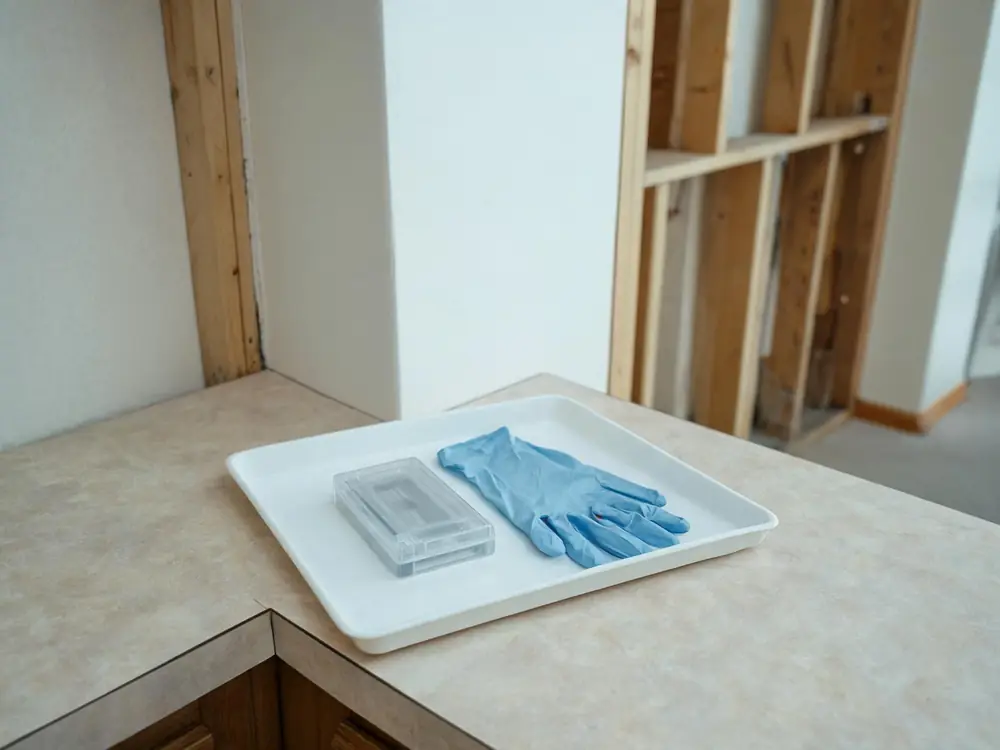
Common Spore Types on a Lab Report
| Type | Where it usually comes from | What it suggests indoors |
|---|---|---|
| Cladosporium | Very common outdoors on plants and soil | Usually outdoor origin; high indoor levels can mean growth on damp surfaces or window sills |
| Basidiospores | Mushrooms and wood-decay fungi outdoors | Usually outdoor; elevated indoor counts may point to wood decay in a crawl space |
| Ascospores | Outdoors, often after rain | Usually outdoor origin |
| Aspergillus/Penicillium-like | Outdoors and indoors; grow on damp dust, drywall, and wood | The most common indoor growth; elevated indoor counts are a common sign of a problem |
| Alternaria | Outdoors on plants; indoors on damp materials | Worth noting if higher indoors |
| Chaetomium | Water-damaged drywall, wood, paper | Indicator of long-term water damage |
| Stachybotrys | Wet cellulose materials like drywall paper | Indicator of long-term water damage; spores are heavy and often underrepresented in air samples |
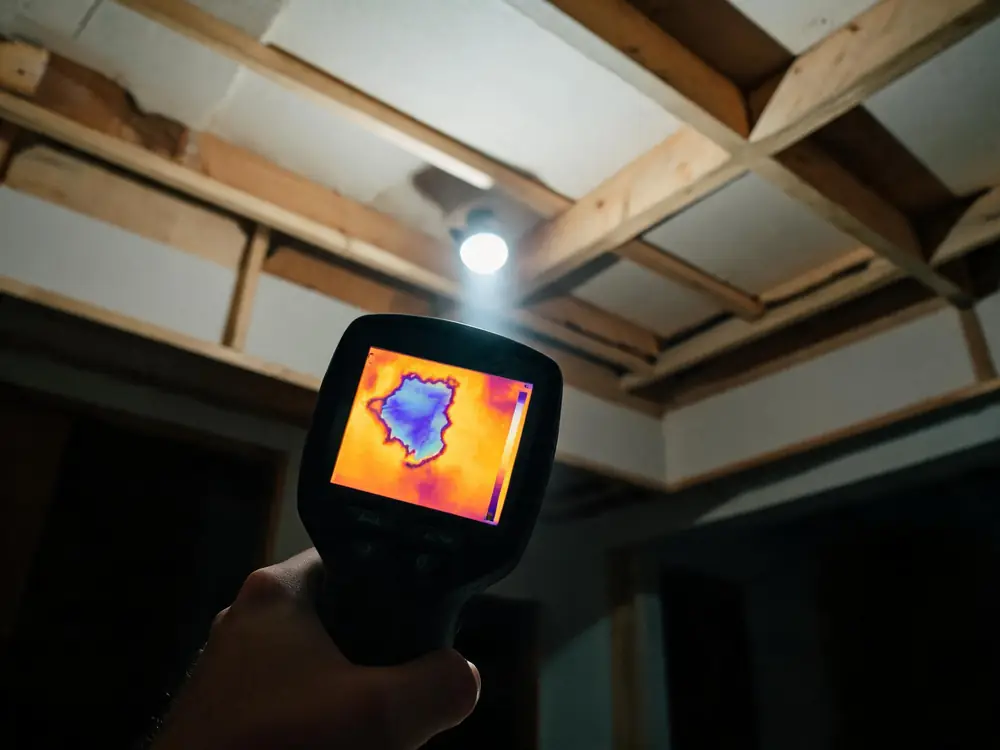
Reading Surface Sample Results
Tape lift and swab reports are simpler. They usually list the types found and a rating such as "rare," "low," "moderate," or "high," along with whether hyphae or growth structures were seen. The key question is whether the lab saw signs of growth on the surface, not just a few settled spores. Growth structures mean mold was living there.
What the Numbers Don't Tell You
- Where the mold is. Air samples can point to a room, not a wall cavity or joist.
- Whether you'll get sick. The CDC notes that people react to mold differently. Talk with your doctor about health questions.
- What caused it. Only a moisture inspection finds the leak, condensation, or ground moisture feeding the growth.
That's why lab results should always come with moisture findings. Read how meters and thermal cameras work in our guide on how inspectors find hidden moisture.
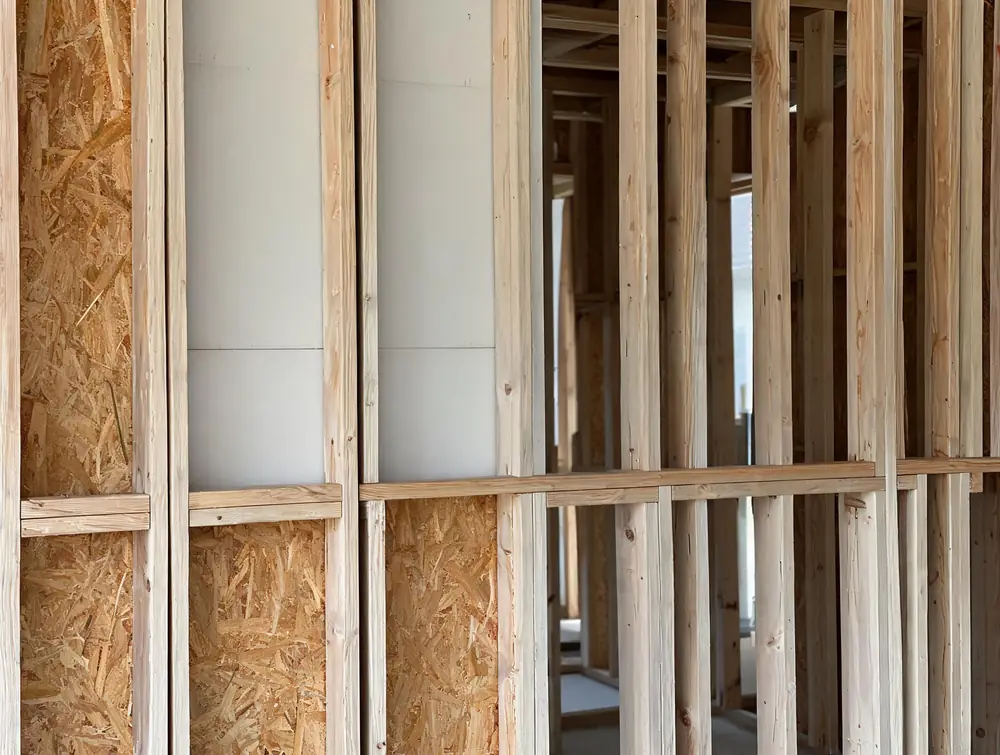
A Gettysburg Example
Picture an older brick home near downtown Gettysburg tested in August. The outdoor sample shows mostly Cladosporium and basidiospores. The upstairs bedroom looks similar but lower. The basement shows a total several times higher than outdoors, mostly Aspergillus/Penicillium-like spores, plus a few Chaetomium. Moisture readings find damp joists along a fieldstone wall. The takeaway: the living space is fine, the basement has an active indoor source, and the fix starts with humidity control and cleaning the affected wood.
When to Call a Professional
If you have a lab report and aren't sure what it means, or the numbers came from a store kit with no outdoor control, we can help. Our mold inspection and testing service includes a plain-language walkthrough of every result. Call (717) 420-8919, 24 hours a day.