Two Ways HVAC Spreads Mold
1. Moving spores from a moldy area
Return ducts pull air from the house back to the air handler. If there's mold in a basement, crawl space or attic, and especially if return ducts are leaky or run through those spaces, the system can draw spores in and push them out through supply registers upstairs. Many older Gettysburg homes have return ducts or panned joist returns in damp basements with stone foundations, which makes this more likely.
This is routine work for our mold remediation service in Gettysburg.
2. Growing mold inside the system
The evaporator coil gets cold and wet every time the AC runs. Water drips into the drain pan and flows out. When the pan clogs, the coil is dusty, or ducts sweat in humid spaces, mold grows right in the airstream. The blower then carries spores and odor into every room.
Signs the System Is Spreading Mold
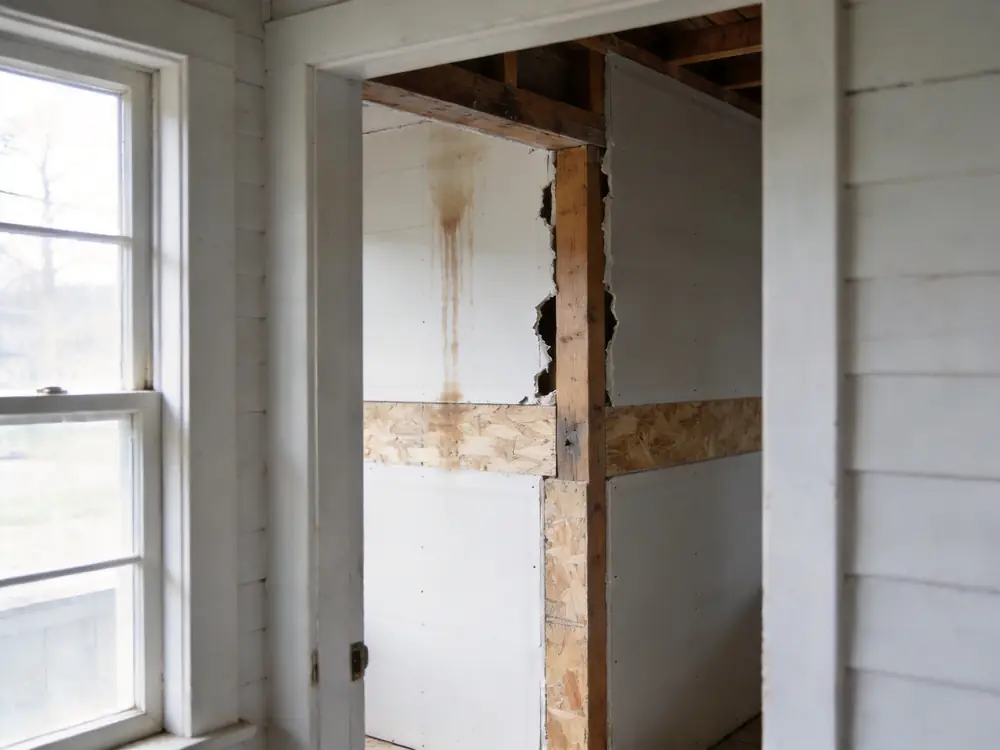
- A musty smell that appears in many rooms when the system runs
- Mold spots around registers in several rooms
- Mold that returns in different areas after cleaning
- Symptoms that feel worse when the heat or AC runs
The CDC notes that mold can cause stuffy nose, wheezing and eye or skin irritation in sensitive people. Talk to a doctor about any health concerns.
Why Containment Matters During Remediation
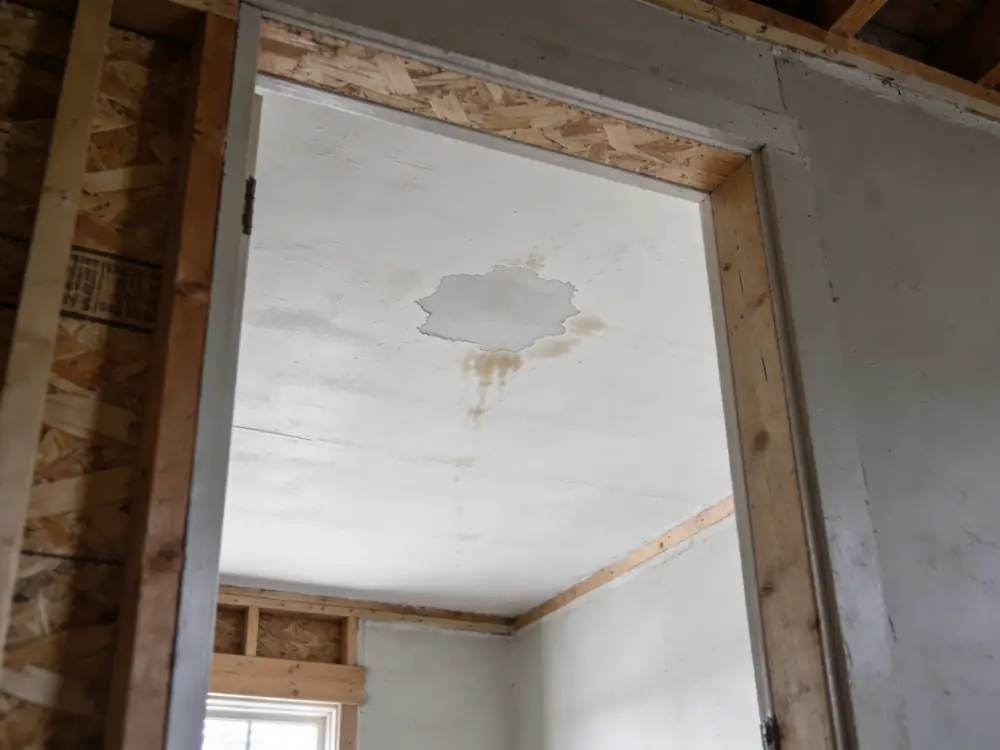
Mold removal disturbs growth and releases a lot of spores. If the HVAC system is running, or if supply and return vents in the work area are open, those spores can be drawn into the system and spread through the house. That can turn a one-room project into a whole-home problem.
The EPA's remediation guide and the IICRC S520 standard both call for isolating the work area. Proper containment includes:
- Shutting down or isolating the HVAC serving the work area
- Sealing supply and return vents in the work area with plastic and tape
- Building plastic barriers around the work zone when needed
- Running HEPA air scrubbers to create negative pressure, so air flows into the work area rather than out
- HEPA vacuuming surfaces before barriers come down
HEPA air scrubbers do much of the heavy lifting. Learn how they work in our guide to HEPA air scrubbers for mold.
How to Protect Your Ducts
| Step | Why it helps |
|---|---|
| Use a good-quality pleated filter and change it on schedule | Catches more spores and dust before they reach the coil and blower |
| Seal leaky return ducts, especially in basements and attics | Stops the system from pulling in damp, spore-laden air |
| Keep the drain pan and condensate line clear | Prevents standing water inside the air handler |
| Insulate ducts in humid or hot spaces | Stops ducts from sweating |
| Keep humidity below 60 percent, ideally 30 to 50 | The EPA's recommended range limits mold growth |
| Fix mold elsewhere in the house quickly | Removes the source the system could be spreading |
Check with your HVAC contractor before switching to a much denser filter; some systems can't handle the extra airflow restriction.
Gettysburg Conditions to Watch
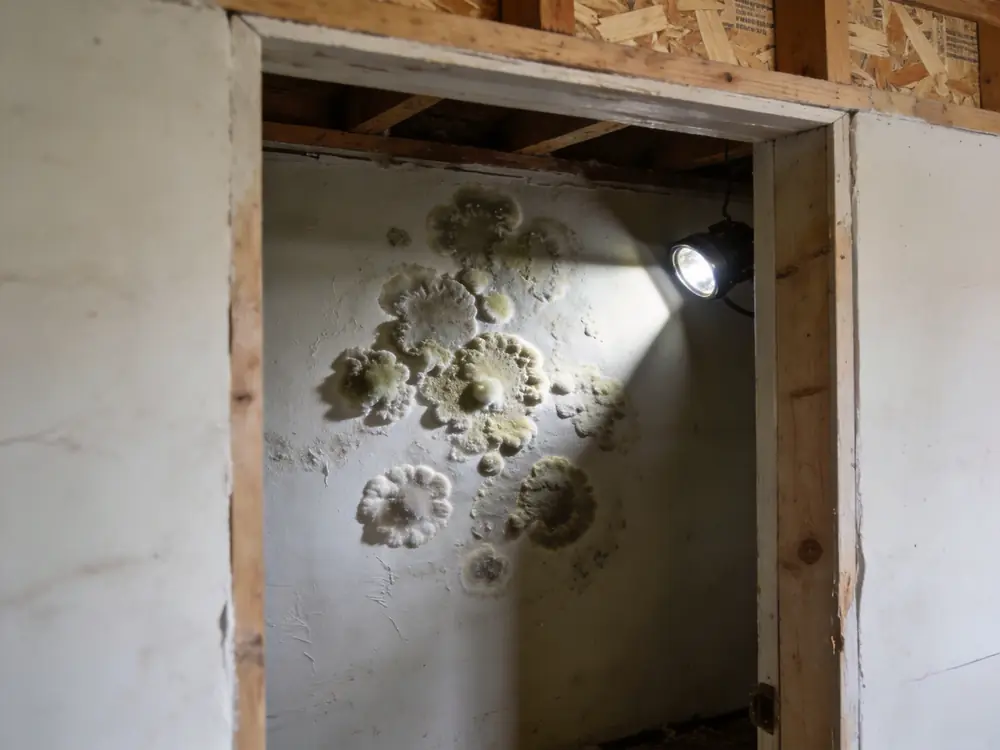
Gettysburg's humid summers keep AC coils wet for hours each day, and basements in older homes often run damp, especially after heavy rain or the remnants of tropical storms. Ductwork in hot attics can sweat in July and August. Each of these increases the chance of mold in the system or near it. A basement dehumidifier and a well-drained AC go a long way.
When to Call a Professional
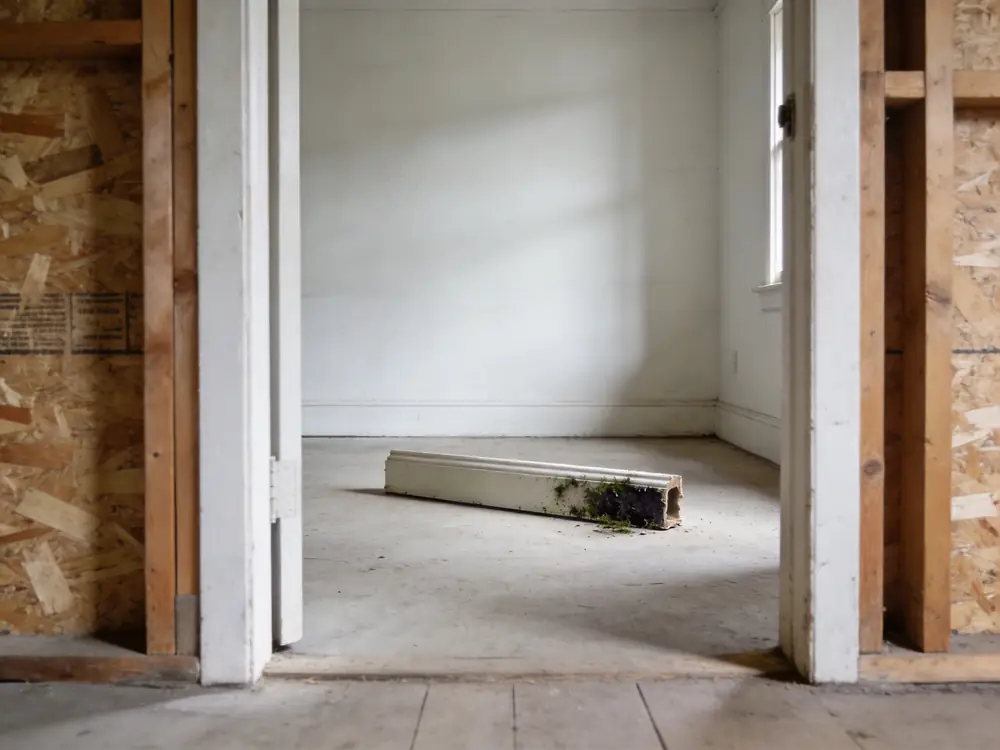
If you think your HVAC system is spreading mold, or you're planning mold removal in a home with forced air, have the system inspected. Our HVAC and air duct mold remediation service in Gettysburg cleans ducts, coils, pans and blowers under negative air and uses containment to protect the rest of the house. Call (717) 420-8919, 24 hours a day.