Mold spores are everywhere outdoors and indoors. They only grow when they land on something they can eat, like wood or the paper backing on insulation, and when that surface stays damp. The EPA's guide to mold and moisture puts it simply: control moisture and you control mold. Roof sheathing, rafters and trusses are all food. So the real question is where the water comes from.
1. Bathroom Fans and Dryer Vents That End in the Attic
This is the single most common cause we see in older Gettysburg homes. When a bath fan was added years ago, the installer often ran a short flexible duct into the attic, or pointed it at a soffit vent, and stopped there. Every shower now pushes warm, saturated air directly into the attic.
When it is past the point of a bucket and a fan, the team here can scope the job.
A family of four can produce several gallons of water vapor a day from showers, cooking and breathing. When a fan dumps even part of that into the attic in winter, it condenses on the roof deck like breath on a cold window. The telltale sign is a dark patch of mold on the sheathing right around the end of the fan duct.
Fix: Route every bath fan, kitchen hood and dryer vent through a roof or wall cap to the outdoors, using insulated, sealed ductwork.
2. Warm Air Leaking Up From the Living Space
Heat rises, and it carries moisture with it. Warm indoor air escapes into the attic through gaps around recessed lights, ceiling fixtures, plumbing vents, wiring holes, chimney chases and poorly sealed attic hatches or pull-down stairs.
In winter, this air hits sheathing that may be well below freezing. The moisture condenses, and on the coldest nights it freezes as frost on the underside of the deck and on nail tips. When the weather warms, that frost melts and soaks the wood. Repeat this through a Pennsylvania winter and you get the classic pattern: mold heaviest on the north slope, which gets the least sun and stays coldest.
Fix: Air seal the attic floor before adding insulation or vents. ENERGY STAR offers homeowner guidance on sealing and insulating attics.
3. Blocked Soffit Vents
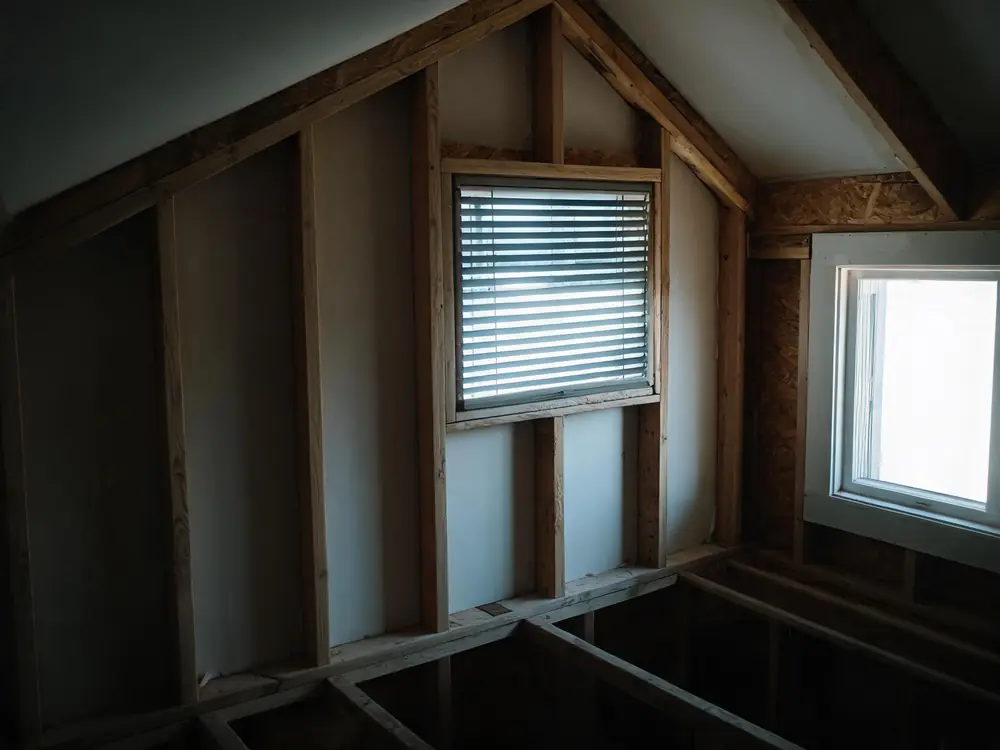
Attics need a path for air to come in low and go out high. Soffit vents under the eaves provide that intake. When blown-in insulation gets piled against the eaves without baffles, or when soffits get painted or covered during a siding job, the intake stops working.
Without fresh air coming in, the attic can't flush out moist air. You'll often see mold concentrated along the lower part of the roof deck near the eaves, where air is stagnant.
Fix: Install rafter baffles (vent chutes) at every bay and pull insulation back so air can move from the soffit into the attic.
4. Unbalanced or Missing Exhaust Ventilation
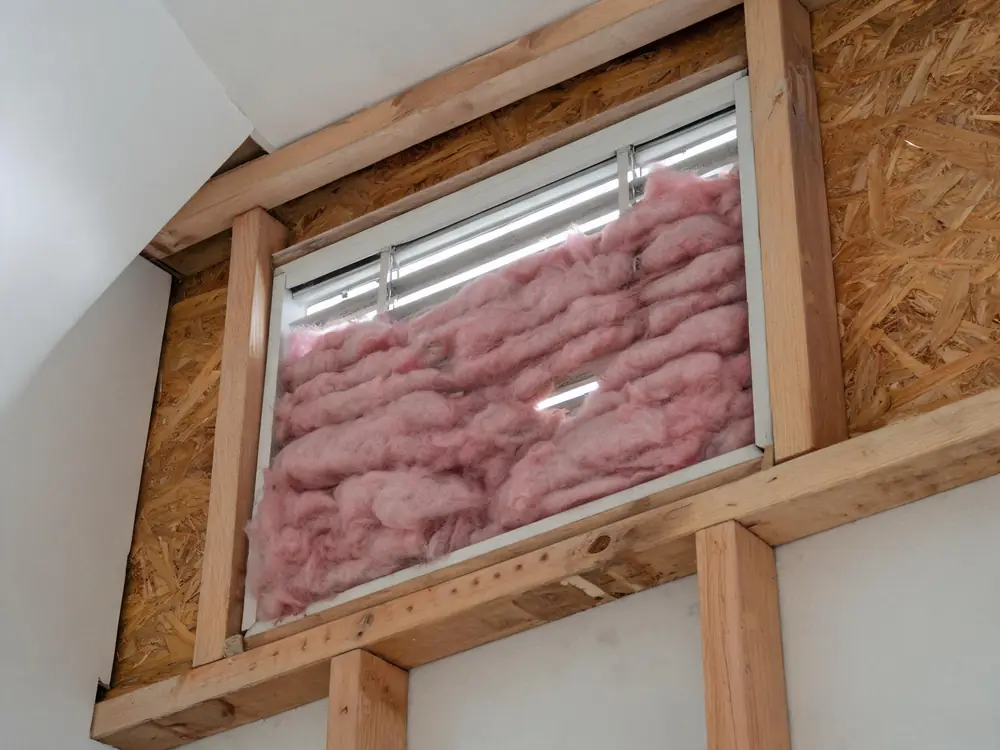
Exhaust vents at the ridge or gable ends let warm, moist air escape. Some older homes have almost no exhaust. Others mix vent types in ways that work against each other. A common example is a powered attic fan that pulls conditioned air up from the house through ceiling leaks, making moisture problems worse.
A good rule of thumb is roughly balanced intake and exhaust. Our guide to attic ventilation to prevent mold covers how to check the balance in your own attic.
5. Roof Leaks and Flashing Failures
Roof leaks cause mold too, but the pattern is different. Instead of broad staining across a whole slope, you'll see localized growth around a chimney, skylight, plumbing boot, valley or damaged shingles, often with water stains on the rafters below. Gettysburg's older homes have a lot of chimneys and roof transitions where flashing can fail.
Heavy rain events matter here. Gettysburg averages about 43 inches of precipitation a year, and late-summer tropical storm remnants can drop several inches in a day.
Fix: Repair the roof or flashing first, then clean the affected wood once it's dry.
6. High Indoor Humidity
Even with good venting and sealing, a very humid house puts more moisture into the attic. Common sources are a wet basement, a dirt-floor crawl space, humidifiers set too high and drying laundry indoors.
The EPA recommends keeping indoor relative humidity below 60 percent, and ideally between 30 and 50 percent.
Why Attic Mold Is So Common in Gettysburg
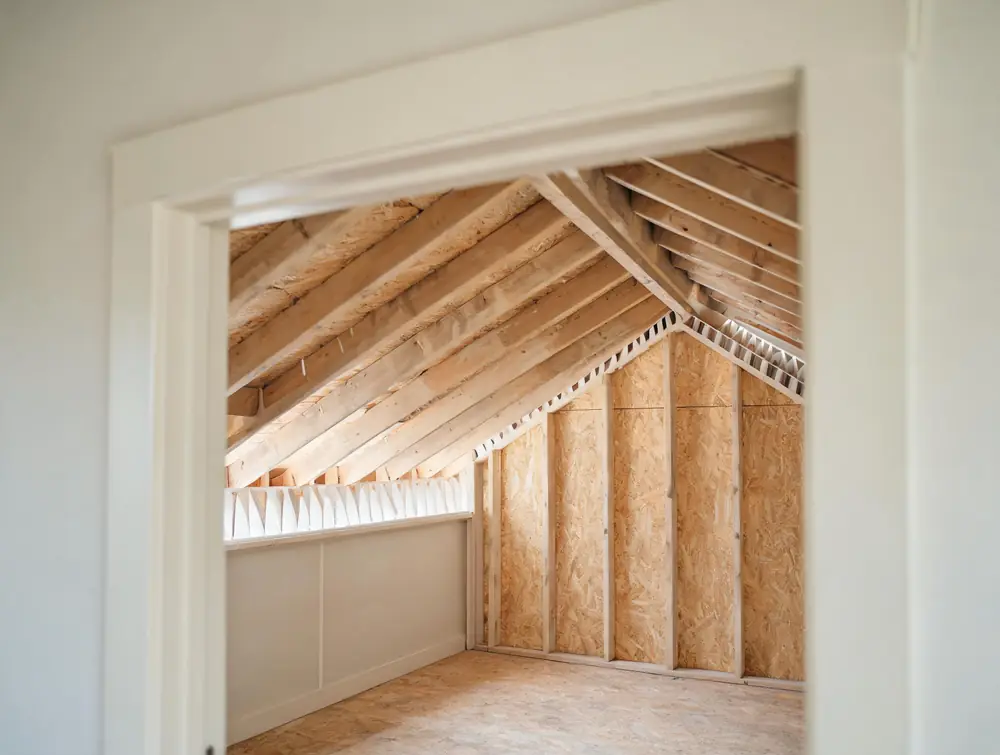
Many Gettysburg homes were built long before modern ventilation standards, and many have additions with their own separate roof lines. Old homes in the historic district often have plaster ceilings with gaps at fixtures and chimney chases, and a lot of houses around town gained bath fans, central air and extra insulation over the decades without anyone rethinking attic airflow. Add humid summers and freeze-thaw winters, and the attic becomes a moisture trap.
The good news is that mold on solid sheathing is usually a cleaning job, not a roof replacement. For what that cleaning costs, see our breakdown of attic mold remediation cost.
When to Call a Professional
If you can see mold across more than about 10 square feet, the EPA suggests considering a professional. Call one too if the wood feels soft, if you smell mustiness in upstairs rooms, or if an inspection report flagged it. Our attic mold remediation service in Gettysburg finds the moisture source, removes the mold with HEPA containment and fixes the venting so it doesn't come back. Call (717) 420-8919, 24 hours a day.