Why Commercial Buildings Get Mold
Larger buildings have more systems, more people and more places for water to hide. Common causes include:
- Flat and low-slope roofs that pond water and leak at seams, flashing and rooftop units.
- HVAC condensation from clogged drain pans, sweating ducts and oversized systems that cool without removing enough humidity.
- Intermittent occupancy. Churches used mainly on weekends and schools closed for summer often have HVAC set back, which lets humidity climb.
- Plumbing leaks inside chases, above drop ceilings and under restroom counters.
- Basements in older buildings with stone foundations, used for storage, fellowship halls or classrooms.
Warning Signs for Facility Staff
- Stained or sagging ceiling tiles.
- Musty smells in classrooms, offices, sanctuaries or basements, especially on Monday mornings or after breaks.
- Condensation on ducts, windows or cold pipes.
- Complaints of stuffy air or allergy symptoms that improve after people leave the building.
- Growth on stored hymnals, books, paper files or cardboard boxes.
Anyone with health symptoms should see a doctor. The CDC notes that mold can cause stuffy nose, wheezing and eye or skin irritation in sensitive people.
Questions about one specific room are worth putting to our team.
What EPA Guidance Says
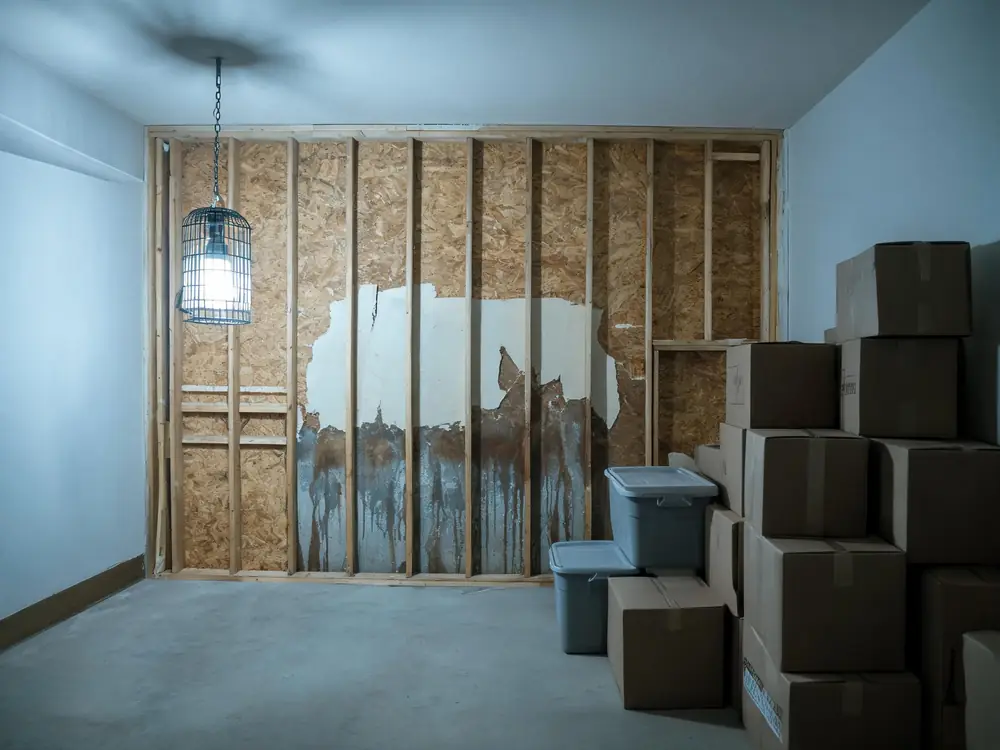
The EPA's Mold Remediation in Schools and Commercial Buildings guide is the main reference for these properties. Key points include:
- Dry water-damaged materials within 24 to 48 hours to prevent mold growth.
- Fix the moisture source, or the mold will come back.
- Remediation size matters: roughly under 10 square feet is small, and larger areas need more containment and protection.
- Porous materials with mold, like ceiling tiles and carpet, are often thrown away.
- Communicate with building occupants, especially parents and staff in schools.
Worker protection during cleanup also falls under general workplace safety rules. OSHA publishes guidance on mold hazards for employers and maintenance staff.
Scheduling Around Occupants
| Building type | Best work window | Special concerns |
|---|---|---|
| Office | Evenings and weekends | Protect files and electronics, keep HVAC isolated from work zone |
| School | Summer, winter break, weekends | Parent communication, clearance before students return |
| Church | Weekdays between services | Historic interiors, organ and pew protection, volunteer schedules |
| Retail storefront | Overnight or closed days | Apartments above the shop, shared basements |
Our Commercial Remediation Steps
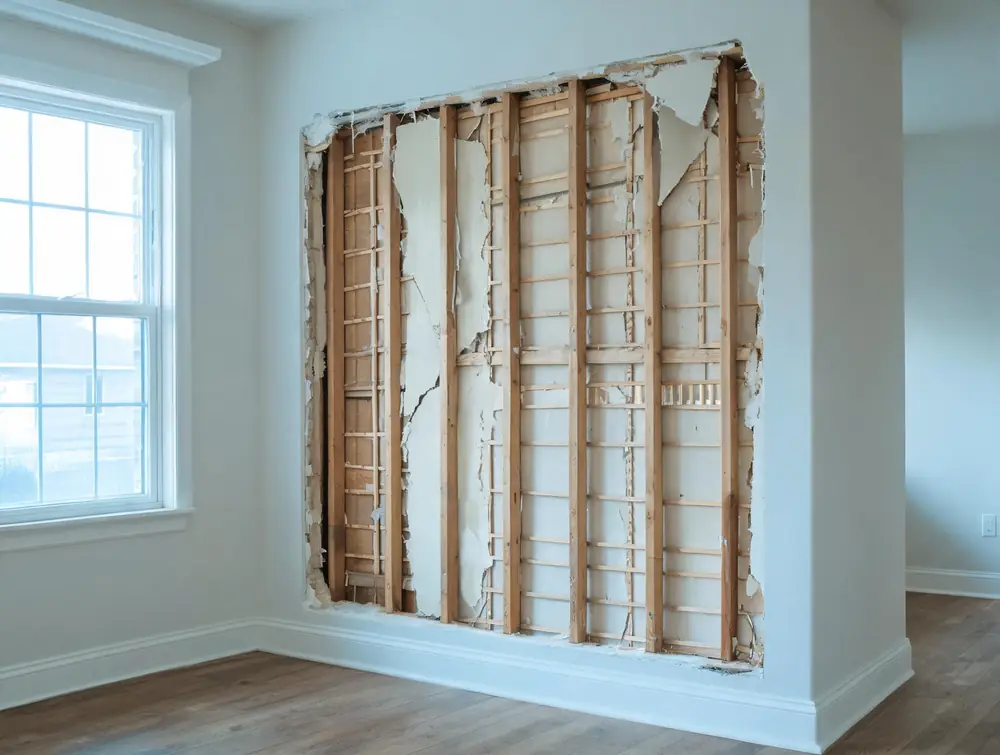
- Assessment with moisture meters, thermal imaging and a look above ceilings and into mechanical rooms.
- Written scope with work zones, containment plan and a schedule built around your building's use.
- Containment and negative air so dust and spores stay in the work area, with HVAC returns sealed.
- Removal and cleaning of affected materials, with HEPA vacuuming of surfaces.
- Drying and source repair coordination with your roofer, plumber or HVAC contractor.
- Independent clearance testing before the area is reopened.
- Documentation for your board, insurer or property owner.
We follow the IICRC S520 standard and the EPA commercial guide on every job.
Leased Commercial Space
When a business leases space, the lease usually decides who handles roof, HVAC and interior repairs. Commercial leases work differently from residential ones, where the implied warranty of habitability applies. For the residential side, see our guide to Pennsylvania mold laws for landlords and tenants. For a commercial lease question, consult an attorney.
Gettysburg Buildings and Climate
Many Gettysburg offices, churches and storefronts are in older brick buildings downtown, some within the Gettysburg Historic District. Stone basements, plaster walls and old roof drainage all add risk. Gettysburg gets about 43 inches of precipitation a year, summers are humid, and freeze-thaw winters can burst pipes in unheated spaces. A church basement left cool and closed all week in August or a school sitting empty over summer is a common setting for a mold call.
When to Call a Professional
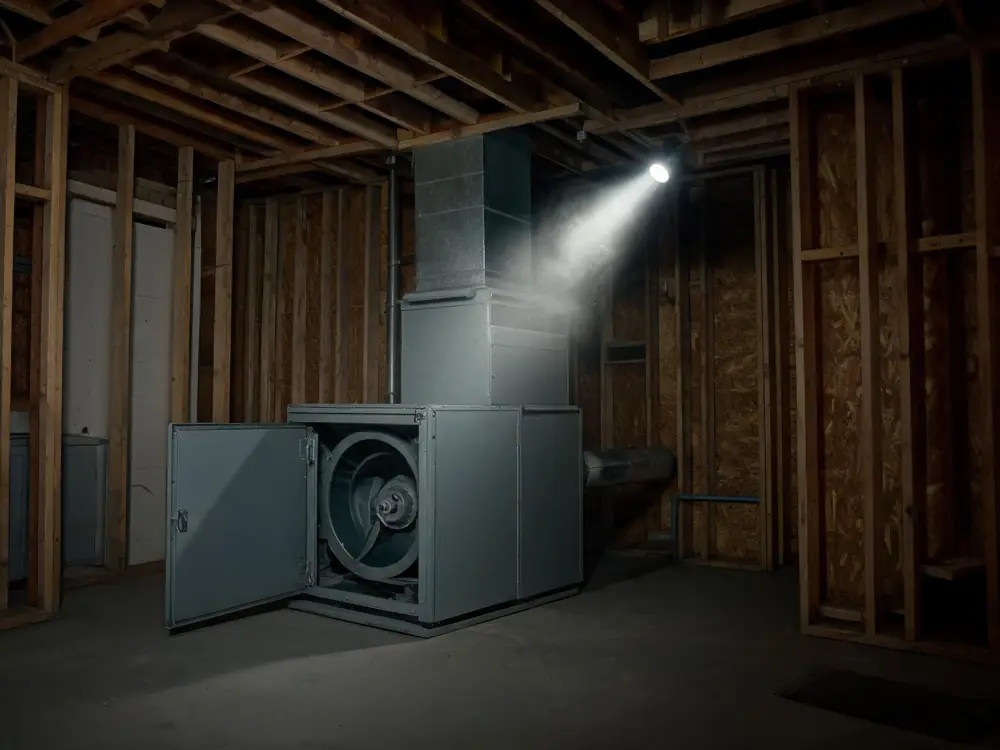
Call a professional if mold covers more than about 10 square feet, involves HVAC components, follows a roof or plumbing leak, or affects a space used by children or vulnerable people. We are open 24 hours and can schedule around your building's calendar. Learn how our commercial and rental mold remediation works, or call (717) 420-8919.