The EPA 10-Square-Foot Rule
The EPA's homeowner guidance draws the line at about 10 square feet. Below that, most people can clean it themselves. Above that, the EPA suggests following its remediation guidance, written for schools and commercial buildings, and considering a professional. You can read the full guide at the EPA's Mold Remediation in Schools and Commercial Buildings page.
Ten square feet is smaller than people expect. It's about the size of a bath mat and a half, or a strip of drywall 1 foot tall running 10 feet along a basement wall.
If it needs containment and HEPA filtration, the team here handles that.
When DIY Is Reasonable
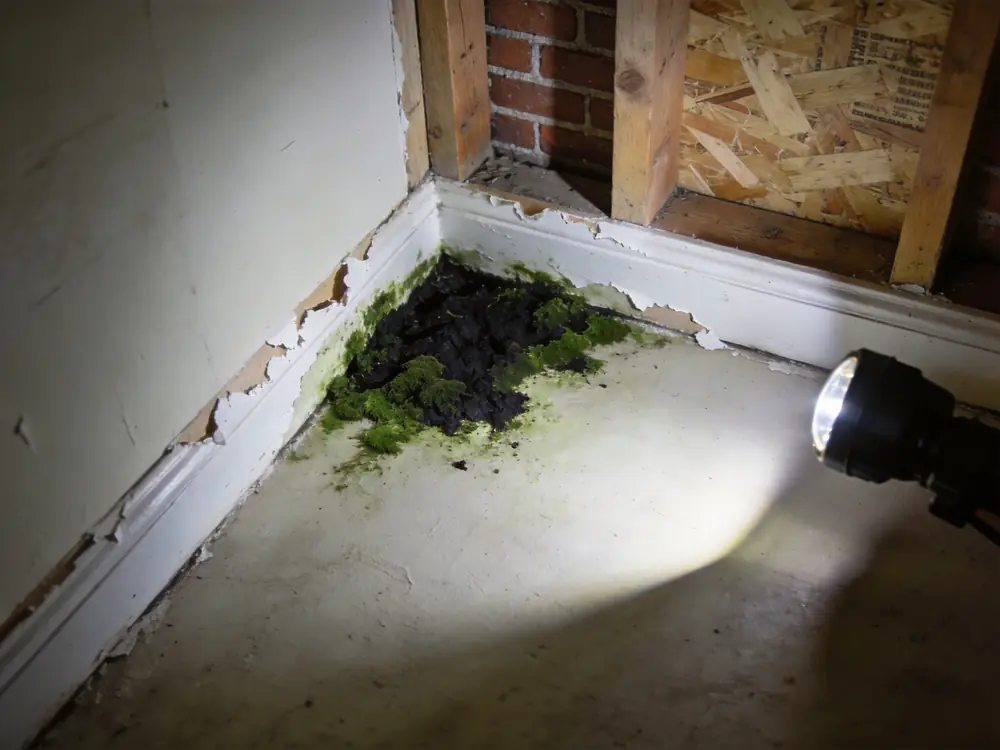
- The visible mold covers less than about 10 square feet
- It's on a hard, non-porous surface like tile, glass, metal, or sealed wood
- The water source is known and already fixed
- The water was clean, not flood water or sewage
- No one in the home has asthma, allergies, lung disease, or a weakened immune system
- The mold is not in or near HVAC ducts or returns
When DIY Is Unsafe
| Situation | Why a pro is safer |
|---|---|
| Area over 10 sq ft | Needs containment and HEPA filtration to avoid spreading spores |
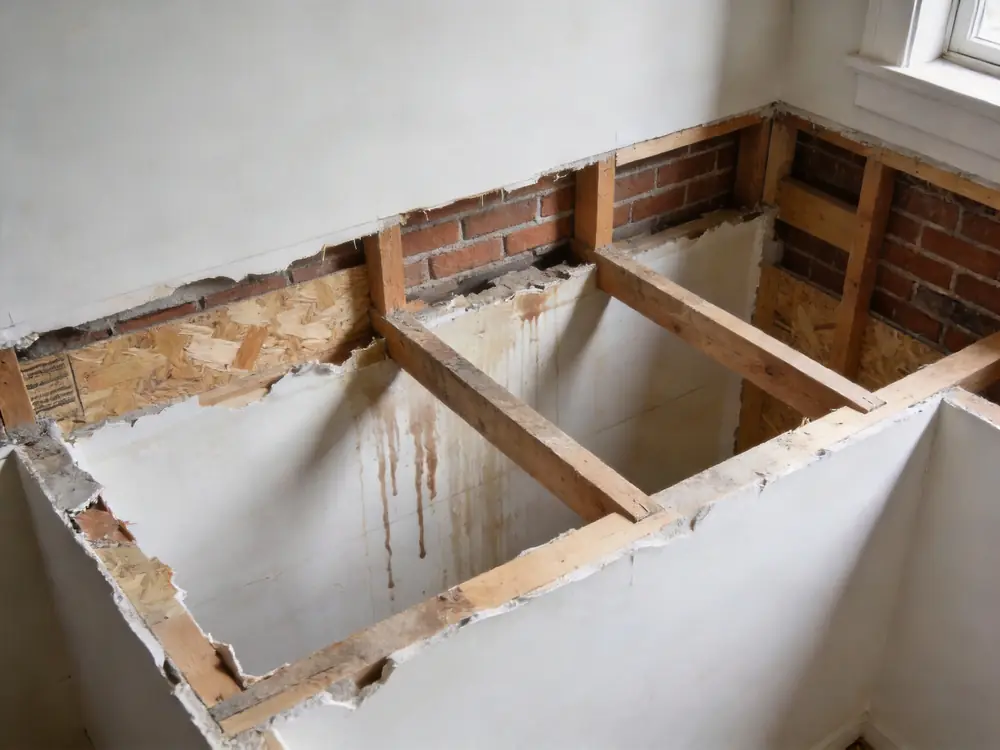
| Mold on drywall or insulation | Porous materials usually must be cut out, not cleaned |
| Musty smell, no visible mold | Growth is likely inside walls or under floors |
| Flood or sewage water | Contaminated water carries bacteria as well as mold |
| Mold in ducts or on the furnace | Running the system can spread spores through the house |
| High-risk household members | The CDC notes they can react more strongly to mold |
| Mold keeps coming back | The moisture source hasn't been found |
The Right Protective Gear
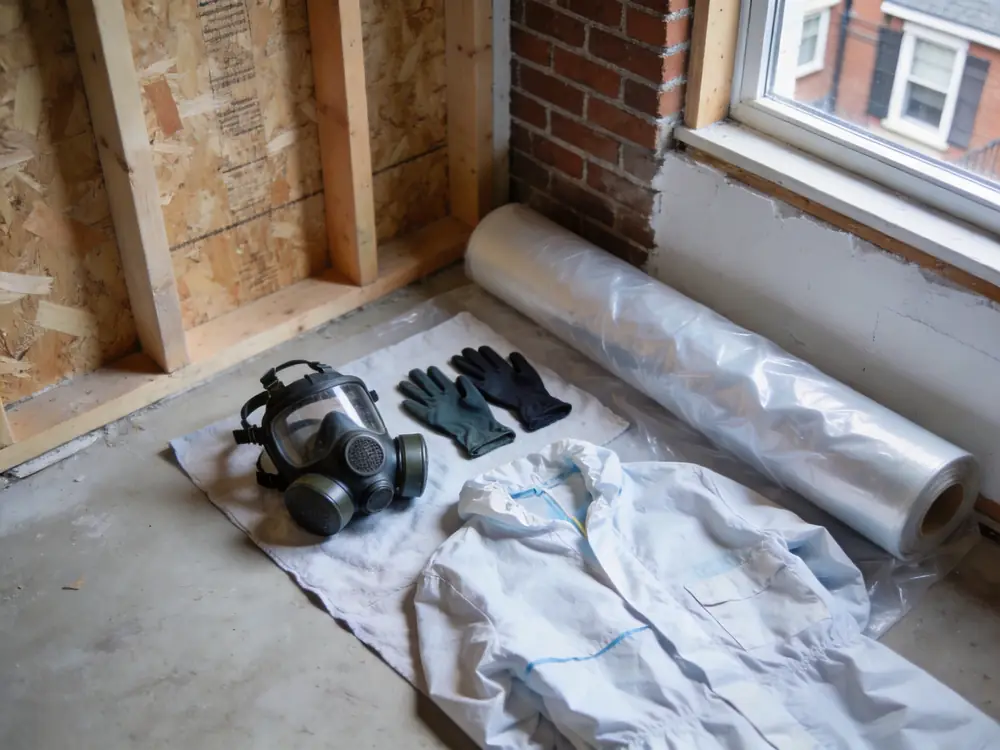
If you do the work yourself, the EPA recommends at minimum:
- An N95 respirator, fitted properly. A dust mask is not enough.
- Goggles without vent holes, to keep spores out of your eyes.
- Long gloves that reach the middle of your forearm. Use rubber or nitrile if you're using a cleaning product stronger than soap.
- Old clothes you can wash right away or throw out.
OSHA also publishes guidance on respirators and mold work for workers, available at osha.gov.
How to Clean a Small Area Safely
- Fix the moisture first. Otherwise the mold will return.
- Close off the room and turn off the HVAC so spores don't circulate.
- Mist the area lightly with water to keep spores from becoming airborne. Don't soak it.
- Scrub hard surfaces with detergent and water, then dry them completely.
- Bag porous materials like moldy cardboard or ceiling tiles in heavy plastic bags and throw them out.
- Dry the area within 24 to 48 hours with fans or a dehumidifier.
- Watch for regrowth over the next few weeks.
Never mix cleaning products. Bleach mixed with ammonia or some other cleaners makes toxic gas. The EPA's homeowner guide warns against this.
What About Bleach?
Many people reach for bleach first. It can work on hard surfaces, but on drywall and wood it tends to whiten the stain while leaving growth in the material. The EPA doesn't recommend routine use of biocides like bleach during cleanup, since dead mold can still cause allergic reactions. Read our full answer to does bleach kill mold.
Common DIY Mistakes
- Painting over mold. Paint traps it; it keeps growing and peels the paint.
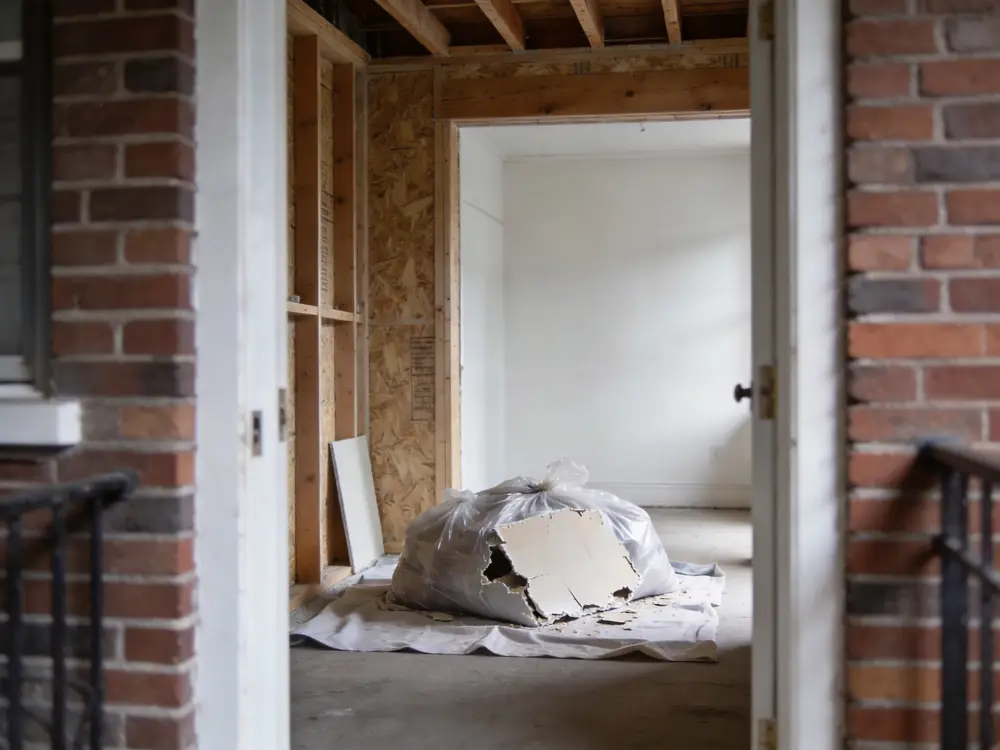
- Dry scraping or sanding without containment, which sends spores into the air.
- Using a regular shop vac without a HEPA filter, which blows spores out the exhaust.
- Ignoring the source. In Gettysburg's older homes with fieldstone foundations, the source is often groundwater seeping through the wall, which needs more than cleaning.
- Stopping at the visible edge. Mold usually extends past what you can see.
When to Call a Professional
If your mold patch is larger than about 10 square feet, is on drywall or insulation, came from flooding, or is making anyone in the home sick, it's time for help. Our black mold removal service in Gettysburg uses containment, HEPA air scrubbers, and moisture tracking, and follows the IICRC S520 standard. Call (717) 420-8919, any hour.