Why Most Moldy Houses Are Fixable
Mold grows on surfaces and in porous materials. It does not eat through a house the way fire does. The structure of most homes, the studs, joists, rafters, and foundation, is made of materials that can be cleaned. The EPA notes that mold can be cleaned off hard surfaces, while porous materials with growth may need to be thrown away.
Older homes around town come through this better than owners expect. Most of what our Gettysburg mold remediation service removes is drywall, insulation and carpet; framing, plaster and stone are usually cleaned and kept.
That means even a bad-looking basement usually needs drywall, insulation, and flooring replaced, plus careful cleaning of wood and masonry. The bones stay.
What Can Be Cleaned and What Must Go
| Material | Usually | Notes |
|---|---|---|
| Concrete, block, stone foundation | Clean | HEPA vacuum and scrub; control moisture after |
| Studs, joists, rafters, sheathing | Clean | Sand, wire brush, or blast; replace only if rotted |
| Subfloor | Clean or replace | Depends on how deep damage goes |
| Plaster walls | Clean or repair | Plaster resists mold better than drywall; lath may need attention |
| Drywall | Replace | Paper facing feeds mold |
| Insulation | Replace | Traps spores and moisture |
| Carpet and pad | Replace | Usually cannot be cleaned well enough |
| Ceiling tile | Replace | Porous and inexpensive |
When a House May Not Be Worth Saving
These cases are rare, but they happen:
- Structural rot. If sill plates, joists, or rafters have lost strength from years of water, the fix becomes structural repair, which costs more than mold work.
- Whole-house contamination after long neglect. Homes left wet and closed for many months, such as after a flood with no cleanup, may need gutting to the studs.
- Cost vs. value. If repair costs approach the home's value, some owners sell as-is or rebuild.
- Ongoing water that cannot be fixed at a reasonable cost, such as a home built in a flood-prone low spot.
Even then, the decision is financial, not about safety. With enough removal and repair, the structure can be made clean.
What It Takes to Save a Moldy House
- Find the water source and confirm it can be fixed.
- Assess the extent with moisture meters and, if needed, testing.
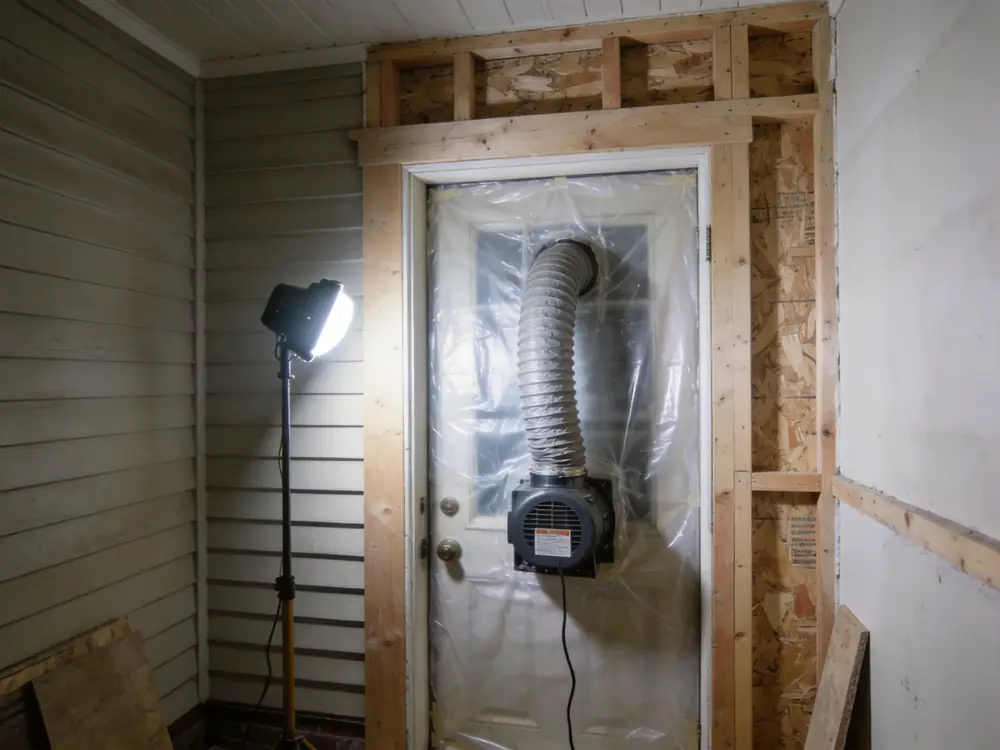
- Contain the work so clean rooms stay clean.
- Remove porous materials with growth.
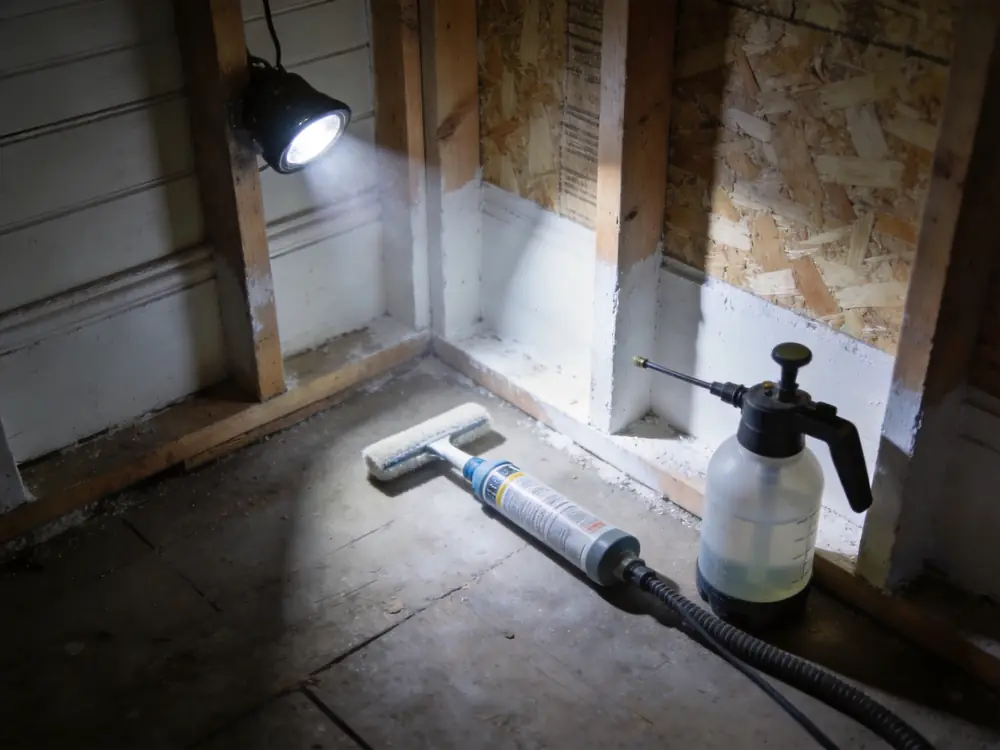
- Clean the structure with HEPA vacuuming, wiping, and sanding or blasting.
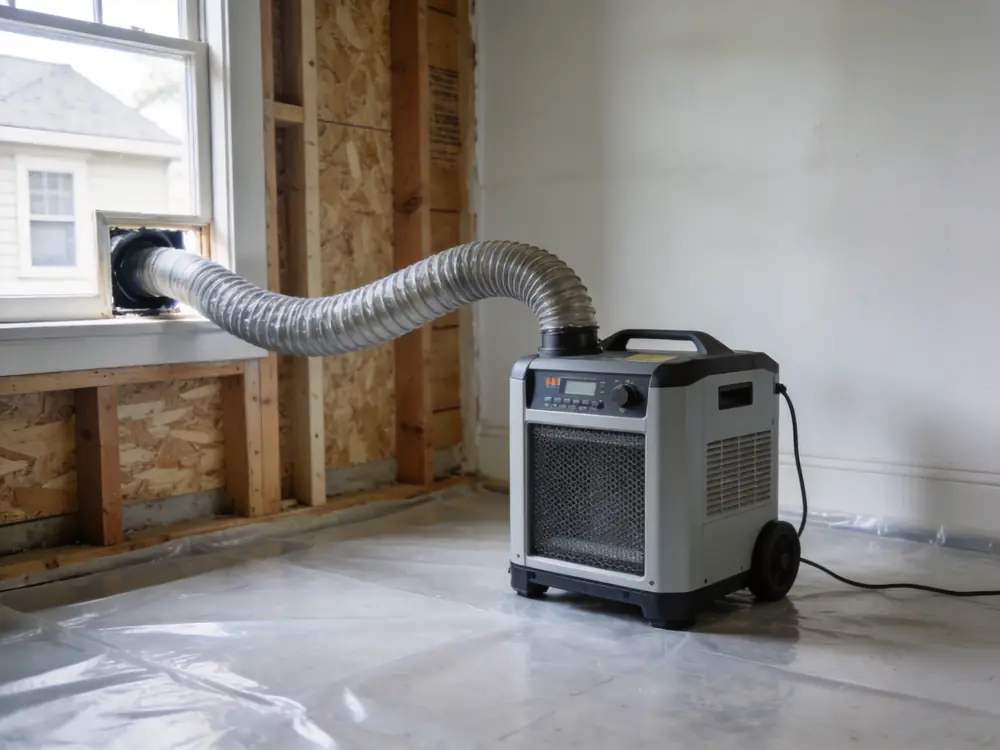
- Dry to normal moisture levels.
- Verify with clearance testing.
- Rebuild and keep humidity under control.
Each step is explained in our mold remediation process.
Typical Costs
In Gettysburg, typical ranges are $500 to $1,500 for a small area under 10 square feet, $1,500 to $6,000 for a basement or crawl space, and $10,000 to $30,000 or more for a whole home. These are not quotes; final pricing comes after an inspection. A $6,000 basement job on a house worth many times that is well worth doing. See whole-house mold remediation cost for large jobs.
Old Gettysburg Homes Are Often Easier to Save
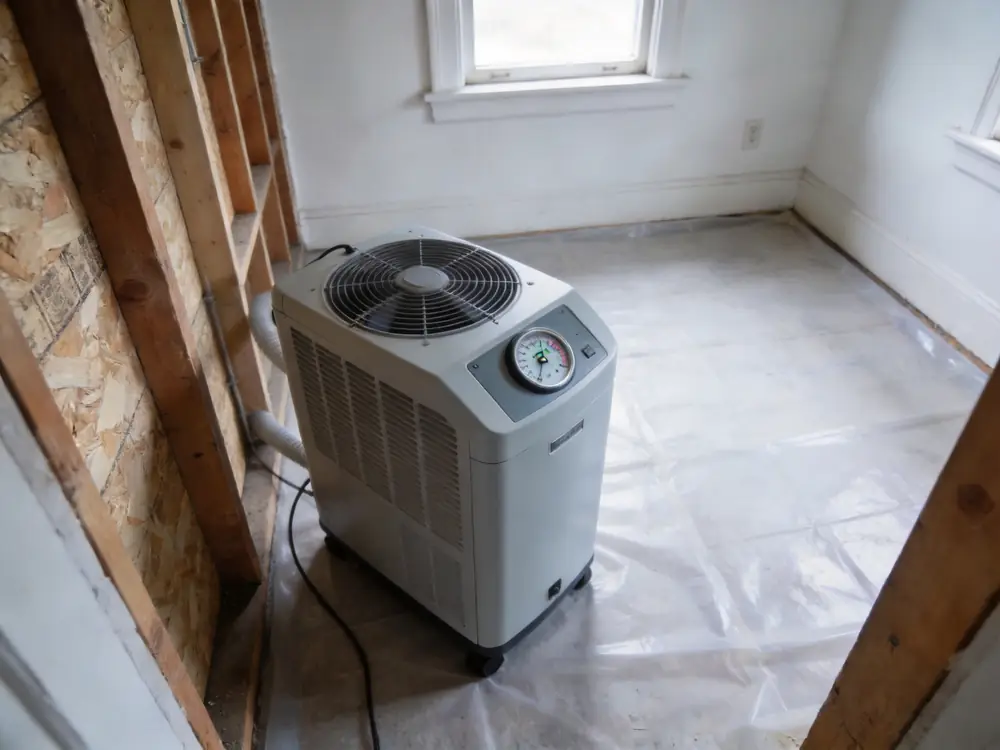
Many 1800s homes in the Gettysburg Historic District are built with old-growth lumber, which is denser than modern framing, and plaster walls, which give mold less to feed on than paper-faced drywall. Their stone foundations do let moisture in, but that is a humidity problem with known fixes. We work to clean and keep original materials whenever they are sound.
Selling or Buying a House With Mold
A house with a mold history can still sell. Pennsylvania's Real Estate Seller Disclosure Law requires sellers to disclose known material defects, and the disclosure form asks about water and mold. Documented remediation with clearance results helps buyers feel confident. See selling a house with mold in Pennsylvania, and talk to a real estate attorney about your situation.
What About Your Belongings?
Contents are a separate question. Hard items usually clean up well, while mattresses, upholstery, and paper are harder. Our guide to saving moldy belongings sorts them item by item.
When to Call a Professional
If mold covers more than about 10 square feet, involves the structure, or followed a flood, get an assessment before deciding anything. Learn how we approach it in our mold remediation process, or call (717) 420-8919, 24 hours a day.